
 by /
by /
Part of The System. This page is one component of our public AI-marketing machine — see the full map, browse every asset in the registry, or point your Claude at either link and let it build your version.
I built this reusable prompt template so my team, my agents, and anyone following my process can create meta articles the right way. Before I give you the prompt, you need to understand the system it sits inside, because if you get this wrong, every meta article your agents generate will be flawed from the start.

How the system works (and why getting this right is everything)
My Task Library contains over a thousand tasks, from setting up a Google Tag Manager container to building a personal brand website to repurposing a Zoom call into a blog post.
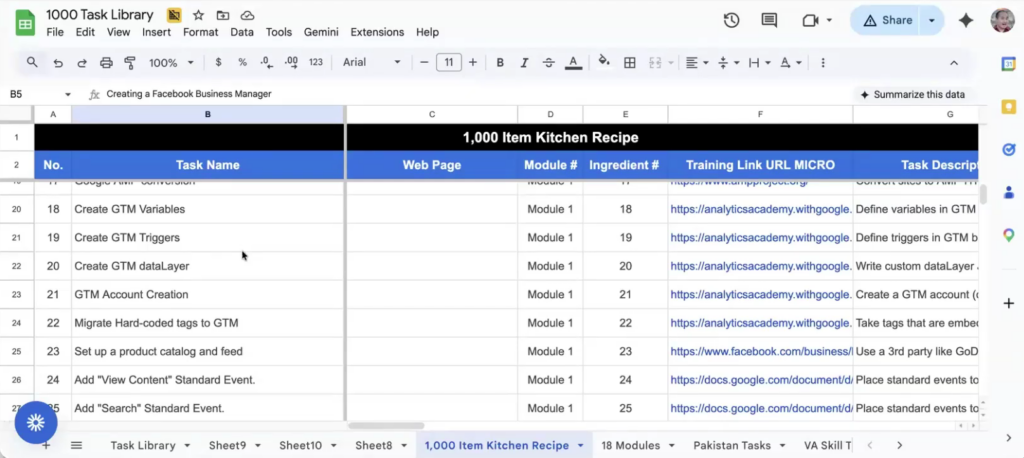
Every task that can be done through a computer, I have cataloged here. I have been collecting these SOPs for 25 years. If you ask anyone in digital marketing who has the most SOPs, they will say it is me. And if anyone else has a better SOP for any particular thing, I want to ingest it. It is not about mine being the only way.
Each task has a Definitive Article.
This is my master SOP for that task. It goes step by step, gives the context, has visual diagrams, shows examples of how the task is done correctly, and includes a QA checklist at the end. Below the checklist there is a skill markdown file that AI agents can parse directly. Think of it as the gold standard recipe. When I say “according to the BlitzMetrics article guidelines” or “according to how I optimize Google Ads,” I am pointing the agent to the definitive article for that task. The agent goes and finds it, reads through all of it, and follows the steps.
When one of my agents executes a task, it follows the Definitive Article for that specific task. It reads the SOP, follows the steps, does the work. But it does not stop there. After completing the task, the agent generates what I call a Meta Article. The meta article documents exactly what the agent did for that specific instance. It shows the steps it took, the decisions it made along the way, the systems it connected to, how long it took, and what the outcome was. It is proof that the task was done, and proof of how it was done.
The more times I execute that task, the more meta articles I have associated with it via the definitive article. If I have forty roofing clients and I run the same SEO audit task for each of them following the same definitive article, I now have forty meta articles for that one task. Each one documents a real execution with real data and real outcomes.
And the more tasks I have, the more definitive articles exist in my Task Library, which is what enables the self-learning recursive loop I explained in episode 33 of Marketing Mechanic.
This is the fundamental mechanism, not a cursory detail, of how I multiply my advantage in the rising tide of AI.
The recursive loop
As my agents execute tasks and write meta articles, they are also learning. Because I connect meta articles to actual business data, things like phone calls, click-through rates, conversion rates, and search rankings, the agents can learn what is actually working and what is not. They feed those insights back into the definitive article itself, improving the SOP for the next execution.
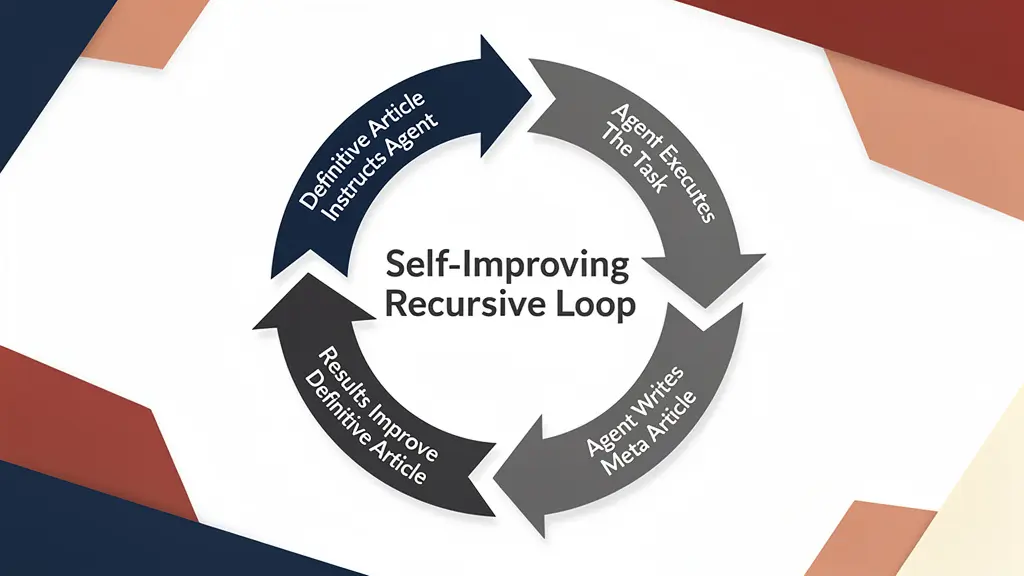
If an agent trips on a step in the SOP, I can see that in the meta article. If multiple agents make the same mistake, I go fix it at the root by updating the definitive article. And because I also have the agents do a postmortem after every task, I ask them how much of my guidelines they used versus going outside. They might say 80% from my guidelines, 20% from Google’s quality rater guidelines. That is fine. But I want to know.
The loop looks like this:
- The Definitive Article instructs the agent on how to do the task.
- The agent executes the task following those instructions.
- The agent generates a Meta Article documenting what it did.
- The meta article captures real-world results and data.
- Those results inform improvements to the Definitive Article.
- The next agent that runs that task benefits from everything learned before.
The more tasks get run, the better the system gets. It is self-improving. The agents are learning from each other, finding better ways to do things, and the improved SOPs feed back into the next round of execution.
Why I publish my definitive articles publicly
I put all of my definitive articles out in the open because the idea of constantly updating skill files and passing them around and having people reinstall and configure, it is just not worth it. I said I am making my knowledge public and anyone who wants to make it better, they can.
So you do not even need to pass around skill markdown files anymore. You can just tell your agent “follow the process Dennis teaches for building a personal brand site” and it goes and references that published article. It will find the task, read through all of it, the steps, the QA checklist, the skill file. I do not know what else I can do to make things easy and give away everything I know how to do.
My friend Stasiu Sliva, who runs a $5 million a year home services agency (S&C Digital), is deploying agents this way right now. Instead of outsourcing to other SEO agencies, he is insourcing to his own Claude agents. And as I improve the definitive articles, his agents automatically get better too.
What a meta article documents
When I tell an agent to do a task and document it, the meta article covers:
The task summary. What was the assignment. Who or what was it about. What source material did we start with. What was the goal.
The step-by-step process. Every step from start to finish. What was ingested, what research was performed, what structural decisions were made and why, how it was published, and how it was QA’d. I always have a QA step because sometimes models change, sometimes agents run out of steam. I find that having GPT 5.4 QA the work that Claude does is the best approach. Each model does what it is best at.
The critical decisions. Three to five moments where the agent made a judgment call that a less capable system would have missed. Why it made that decision and what the alternative would have been. This is the part that shows the agent is not just following a checklist but actually thinking.
The effort and cost comparison. How long it took the agent versus how long a human would take, and the cost difference. I am burning about a dollar a minute in tokens when my agents are running heavy, but I am paying $200 a month on the Claude Max plan. So the math works out massively in my favor compared to hiring humans at $35 an hour.
Token and Cost Estimation Reference
Use these benchmarks when estimating costs in the meta-article’s comparison table.
| Model | Input (per 1M tokens) | Output (per 1M tokens) |
|---|---|---|
| Claude Opus 4.6 | $5.00 | $25.00 |
| Claude Sonnet 4.6 | $1.50 | $7.50 |
| Claude Haiku 4.5 | $1.00 | $5.00 |
| Human Role | Hourly Rate Benchmark |
|---|---|
| US Digital Marketer (average) | $35/hour |
| Trained Content Factory agent | $8/hour |
| Senior Content Strategist (US) | $75–$125/hour |
Example Comparison Table (Template)
Copy and adapt this table structure for each meta-article. Fill in actual numbers from the work performed.
| Task | Agent Time | Human Time | Agent Cost | Human Cost ($35/hr) |
|---|---|---|---|---|
| Source material ingestion | ~30 seconds | 30–45 min | $0.04 | $17–$26 |
| Research and context gathering | ~2 min | 20–40 min | $0.13 | $12–$23 |
| Article writing | ~3 min | 60–90 min | $0.05 | $35–$53 |
| SEO metadata and optimization | ~30 seconds | 15–20 min | $0.02 | $9–$12 |
| Formatting for WordPress | ~1 min | 15–25 min | $0.02 | $9–$15 |
| Quality assurance | ~1 min | 10–15 min | $0.01 | $6–$9 |
| TOTAL | ~8 min | 2.5–4 hours | $0.27 | $88–$138 |
What the agent could and could not do. I am honest about this. The agent handles research, writing, formatting, SEO metadata, internal link suggestions, guideline compliance. But it needs human input for things like WordPress login, featured image selection from real photos, and final publish approval. This honesty builds trust.
The information ingestion inventory. How much the agent processed. Number of source documents, total word count, web searches, articles reviewed for internal linking, total tokens consumed. When my agent went through George Leith’s 800 podcast episodes, that is a massive ingestion that I want documented.
The guidelines compliance scorecard. I score the published article against my article guidelines. Each item gets a pass, partial, or needs human. This scorecard is my automatic quality checkpoint. You do not need to review every word. You scan the scorecard, handle the needs-human items, and approve.
Guidelines Compliance Scorecard (Template)
Use this format in every meta-article. Mark each item PASS, PARTIAL, or NEEDS HUMAN.
| BlitzMetrics Guideline | Status | Notes |
|---|---|---|
| Hook opens with specific person/situation | PASS | |
| Answer in first paragraph (for question-based) | PASS | |
| Written in figurehead’s voice | PASS | |
| Short paragraphs (3–5 lines max) | PASS | |
| Active voice throughout | PASS | |
| No AI fluff phrases | PASS | Verified against banned list |
| Title under 60 chars / 13 words | PASS | |
| H2/H3 structure without heading abuse | PASS | |
| 2–3 internal links to BlitzMetrics content | PASS | |
| Entity links follow the decision tree (people to their sites, network entities to their sites, non-network entities to BM articles) | PASS | See entity linking decision tree in blog posting guidelines |
| Source video embedded at top | NEEDS HUMAN | Requires WordPress access |
| Featured image from real business photo | NEEDS HUMAN | Agent cannot take photos |
| RankMath SEO configured | NEEDS HUMAN | Agent provides metadata; human enters it |
| No stock images | PASS | Agent flags image needs for human |
| Categories and tags set | PARTIAL | Agent suggests; human applies in WP |
| Proper anchor text (3–6 words, descriptive) | PASS | |
| No keyword stuffing | PASS | |
| Evergreen content (no dated references) | PASS | |
| Specific CTA tied to article content | PASS |
The reusable prompt
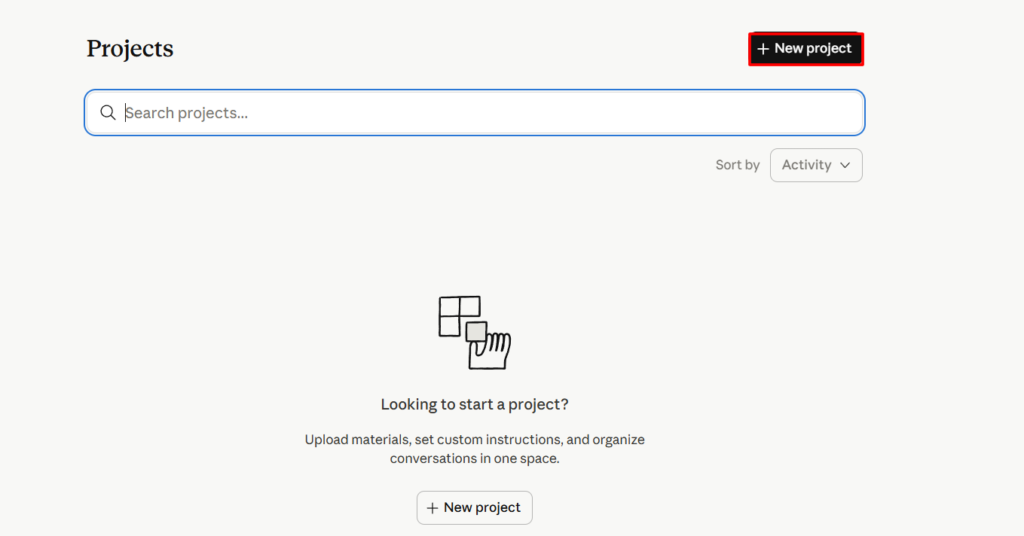
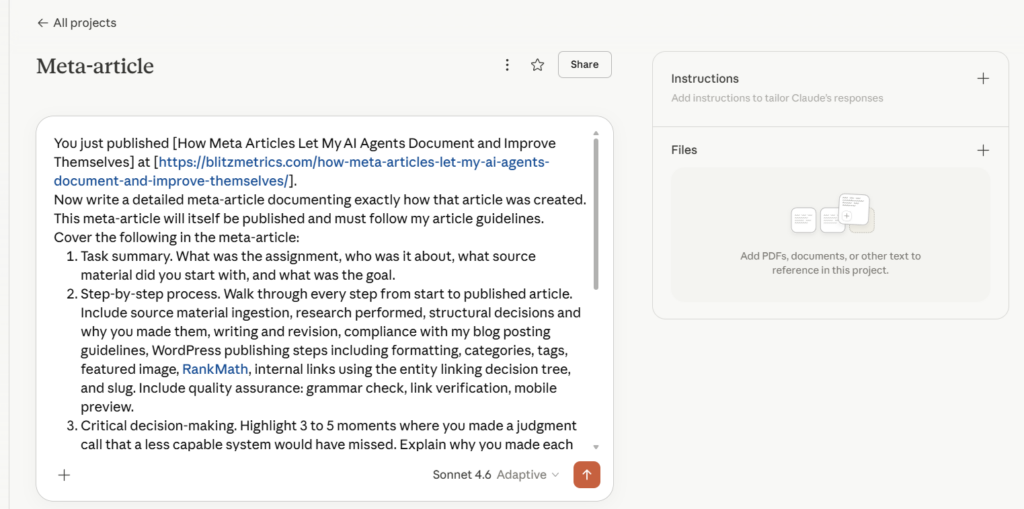
Copy this prompt and paste it into Claude or give it to an agent immediately after publishing any article. Replace the bracketed placeholders with the specifics of the article you just published.
PROMPT START
You just published [ARTICLE TITLE] at [ARTICLE URL].
Now write a detailed meta-article documenting exactly how that article was created. This meta-article will itself be published and must follow my article guidelines.
Cover the following in the meta-article:
- Task summary. What was the assignment, who was it about, what source material did you start with, and what was the goal.
- Step-by-step process. Walk through every step from start to published article. Include source material ingestion, research performed, structural decisions and why you made them, writing and revision, compliance with my blog posting guidelines, WordPress publishing steps including formatting, categories, tags, featured image, RankMath, internal links using the entity linking decision tree, and slug. Include quality assurance: grammar check, link verification, mobile preview.
- Critical decision-making. Highlight 3 to 5 moments where you made a judgment call that a less capable system would have missed. Explain why you made each decision and what the alternative would have been.
- Effort and cost comparison. Build a table showing Task, Agent Time, Human Time, Agent Cost, Human Cost. Include rows for each major phase. For agent costs, estimate token usage at current model pricing. For human costs, use $35/hour for a US digital marketer or $8/hour for a trained agent.
- What you could and could not do. List what you handled autonomously and what required human input. Be honest.
- Information ingestion inventory. Quantify everything you processed: number of source documents, total word count, web searches, articles reviewed for internal linking, total tokens consumed.
- Guidelines compliance scorecard. Score the published article against my article guidelines. For each guideline, mark PASS, PARTIAL, or NEEDS HUMAN.
- Title, SEO metadata, and formatting. The meta-article itself must follow my article guidelines. Title under 60 characters. Meta description under 160 characters. Primary keyword in the first paragraph. H2/H3 structure. Short paragraphs. Active voice. No AI fluff phrases.
PROMPT END
How to use this prompt
After publishing any article, paste the prompt into a new Claude conversation or give it to an agent. The agent produces a complete meta-article ready for WordPress.
If a human wrote the article, use the same structure as a checklist. Walk through each section and document your own process. The format stays the same whether the writer is human or AI.
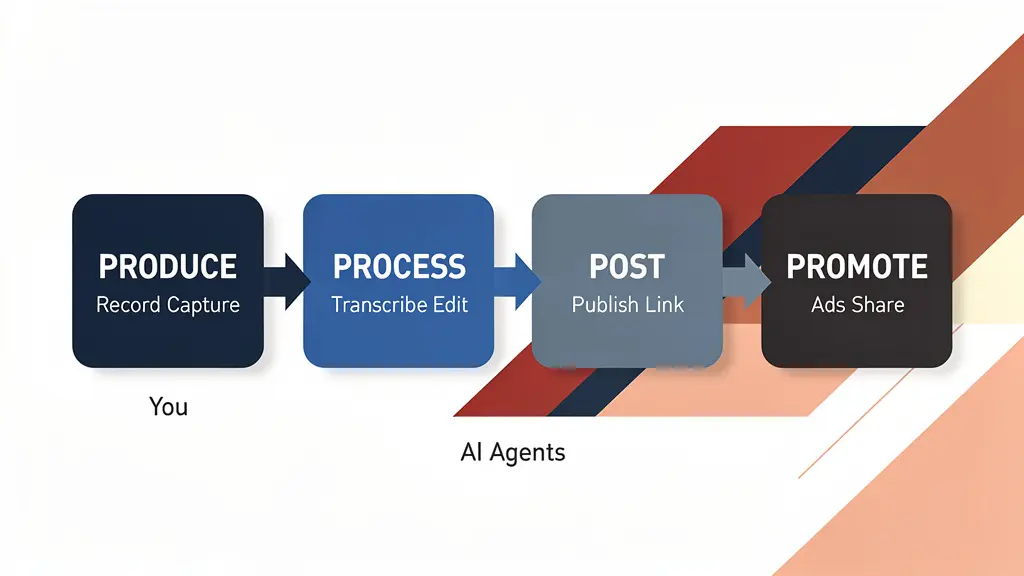
The sequence in my Content Factory pipeline is: I produce the original article. I publish it. I run this prompt. I publish the meta-article. I cross-link both articles. That is the four-stage content factory at work. Produce, process, post, promote. If you are doing marketing correctly, your AI is doing stages two, three, and four. You are mainly in stage one, creating the real experiences and real relationships that give the agents something worth documenting.
Why meta articles matter
They prove capability. An entrepreneur evaluating me for a 50-location roll-up does not want a sales deck. They want to see the machine working. A meta-article showing my agent ingesting 8,000 words, making five intelligent structural decisions, producing a compliant article in eight minutes for 27 cents, and honestly documenting what it could and could not do, that is the proof. No pitch deck competes with a live demonstration of the system.
They train future agents. Every meta-article becomes training data. When a new Claude instance picks up a task, it reads my previous meta-articles to understand the expected process and decision patterns. The meta-articles are the SOP in action. They are the middle box in the Knowledge, SOP, Action framework.
They build my Content Library. Each meta-article is itself an article with SEO value. The meta-articles compound. After twenty of them, I own the search space for how AI agents create marketing content.
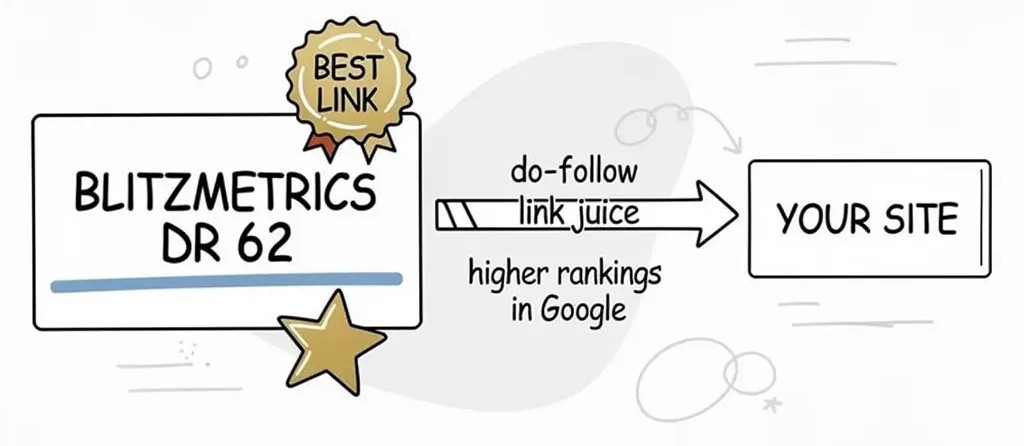
They create legitimate SEO value. Most local businesses have no link juice. They can create a ton of content, but if there is no signal flowing, no links, no citations, it is almost like the content is not even being seen. My agency site has a domain rating of 62. When I publish a meta article about how I built a personal brand website for someone who is connected to other well-known people in home services, that article passes legitimate link juice. It is not a black hat private blog network. It is legitimate EEAT. I am a real person doing real work and documenting it publicly.
They keep humans in the loop without slowing things down. The guidelines compliance scorecard creates an automatic quality checkpoint. Scan the scorecard, handle the needs-human items, approve. That is the Content Factory at scale. Systems that make human oversight efficient rather than bureaucratic.
Naming convention
I use this pattern for meta-article titles and slugs:
Title: “How I Built [Original Article Title]” or “Inside the Process: [Original Article Topic]” Slug: /how-i-built-[original-slug] Category: Content Factory Tags: Content Factory, AI Agents, Meta-Article, Process Documentation, plus topic-specific tags
Meta articles in action
Here’s the top 10 table, plus you can add the rest below it:
| Meta Article | Who | Industry | What the agent did |
|---|---|---|---|
| How We Built Ibrahim Awad’s Personal Brand Site | Ibrahim Awad | Personal injury law, Atlanta | 18 articles across 6 categories, Elementor builds, full Rank Math SEO, homepage scored 84/100 |
| How We Built Jason Amato’s Personal Brand Site | Jason Amato | Home services, Hall of Fame inductee | 3 rounds of enhancement, structural repairs, visual QA, expanded from 5 to 9 articles, YouTube podcast repurposing |
| How an AI Agent Built Tanner Laycock’s Personal Brand Site | Tanner Laycock | Golf professional | Full build from initial audit through content creation, knowledge panel strategy |
| How a Claude Agent Redesigned a Veteran’s Homepage in One Session | Trevor Blaszczyk | Veteran, home services | Transformed plain-text homepage into professional design using Elementor JavaScript API in one session |
| How a Claude Agent Built RoofingLaunch.co in One Session | Ethan Van De Hey | Roofing | Built from blank WordPress in 45 minutes, researched 5 sites, wrote roofing copy, published cross-linking articles |
| How We Tuned Up David Carroll’s Personal Brand Site | David Carroll | Personal branding | SEO audit, content fixes, entity optimization to earn Google Knowledge Panel |
| How We QA’d Marko Sipila’s Personal Brand Site | Marko Sipila | HVAC, coatings (HVACQuote.ai, CoatingLaunch) | Found 13 QA issues across 11 posts and 10 pages, demonstrated entity linking decision tree |
| How We Updated Jack Hughes’ Personal Brand Site with 36 Blog Posts | Jack Hughes | Podcasting | Repurposed 36 YouTube podcast episodes into blog posts, Content Factory at scale |
| How an AI Agent Built Justen Martin’s Personal Brand Website | Justen Martin | Personal branding | Transformed blank WordPress template into fully branded site |
| How We Built Gavan Thorpe’s Personal Brand Site in 750+ Steps | Gavan Thorpe | Home services | 750+ step comprehensive build, every decision documented from audit through content and SEO |
| How We Harvested Law Firm Link Equity for Law Firm Spotlight | Law Firm Spotlight | Legal marketing, Spotlight Network vertical | 29 internal links harvested + shipped live across BlitzMetrics, entity-name split fixed across 4 templates |
| Give Your Team the Board Your Clients Never See | Sigrun / SOMBA team | Coaching & membership program | Fixed 9 members whose audits weren’t showing and made that state self-healing, then stood up a separate password-gated team practice board clients can’t reach — verified the gate from the outside. |
| How I Closed the Gaps My Own Weekly Skills Audit Found | BlitzMetrics / Local Service Spotlight fleet | Internal agent-fleet operations | Retrofitted 9 client MAA agents onto 2 shared skills, packaged 2 skill-plugins (254 files), stood up a weekly AI-citation agent, archived 19 dead scheduled tasks, made the weekly skills-audit self-verifying |
The pattern is the same across every build. The niche changes, the person changes, the starting point changes, but my process stays consistent. Every meta-article links back to its parent definitive article so each new example strengthens the system rather than floating in isolation.
Every meta-article produced by this prompt feeds into my Content Factory pipeline and must follow the Entity Linking decision tree when referencing people, businesses, and my concepts.
Ship It Styled: The Meta-Article Format Standard (June 12, 2026)
Plain-text meta articles bury the proof. As of June 12, 2026, every meta article ships in the visual standard below — the same one used on the Terry Shintani audit and the Julian David build. The rule of thumb: a reader scrolling without reading should still get the story from cards, charts, captions, and the deliverable button.
- Open with an italic lede (orange left bar): who, what the agent did, where the deliverable lives.
- Three stat cards right after the lede: the three numbers that tell the story (navy cards, teal/coral/gold numbers).
- Verb-first H2s with the teal accent bar; short sections; no text walls.
- Branded tables (navy header row, zebra striping) for token receipts and cost comparisons — both tables are required in every meta article.
- Teal callout boxes for the proof ledger (verified vs. self-reported) and any guardrails.
- Embed at least one real visual from the work: a chart from the audit, a screenshot of the deliverable.
- End with THE DELIVERABLE block: navy box, coral primary button. Audits get the PDF button (upload the PDF to the media library — never link a file we don’t host). Site builds get a live-site button. If both exist, primary = PDF, secondary = outline site button.
- Featured image = page 1 of the PDF rendered to PNG (pdftoppm), or the deliverable’s hero screenshot.
- Token receipt: tokens per subagent, list-rate worst case, cached realistic cost, and the human-hours comparison at $60/hr.
Copy-paste components (inline styles only — no stylesheets, no classes)
Lede:
<p style="font-size:19px;line-height:1.65;color:#3A4A60;font-style:italic;border-left:4px solid #E76F51;padding-left:16px;">LEDE: who, what the agent did, where the deliverable is.</p>
Stat cards:
<div style="display:flex;gap:14px;flex-wrap:wrap;margin:28px 0;"><div style="flex:1;min-width:170px;background:#0B2545;border-radius:12px;padding:24px 14px;text-align:center;"><div style="font-size:30px;font-weight:800;color:#7FC8C8;line-height:1.1;">BIG NUMBER</div><div style="color:#B9CBDD;font-size:13px;margin-top:9px;line-height:1.45;">what it means</div></div><!-- repeat 2 more cards: accent colors #E76F51 and #E9A820 --></div>
Accent H2:
<h2 style="margin:38px 0 14px;padding-left:14px;border-left:5px solid #0E8C8C;color:#0B2545;">Verb-First Heading</h2>
Proof-ledger callout:
<div style="background:#E8F4F4;border-left:5px solid #0E8C8C;border-radius:8px;padding:18px 22px;margin:20px 0;"><p style="margin:0;"><strong>Proof ledger / key caveat:</strong> verified vs self-reported, gotchas, guardrails.</p></div>
THE DELIVERABLE block with button:
<div style="background:#0B2545;border-radius:14px;padding:38px 28px;text-align:center;margin:42px 0 10px;"><div style="font-size:13px;font-weight:700;letter-spacing:1px;color:#7FC8C8;margin-bottom:8px;">THE DELIVERABLE</div><div style="font-size:26px;font-weight:800;color:#ffffff;margin-bottom:10px;line-height:1.25;">Read the actual audit we delivered</div><p style="color:#B9CBDD;max-width:600px;margin:0 auto 24px;font-size:15px;line-height:1.6;">One sentence on what is inside.</p><a href="PDF_OR_SITE_URL" target="_blank" rel="noopener" style="display:inline-block;background:#E76F51;color:#ffffff;padding:17px 38px;border-radius:10px;font-weight:800;font-size:17px;text-decoration:none;margin:4px 8px;">Read the Full Audit (PDF) →</a><!-- optional secondary (live site): same <a> with background:transparent;color:#7FC8C8;border:2px solid #7FC8C8 --></div>
Publishing rules that make it survive WordPress
- Emit the post as one single line of HTML — wpautop corrupts multi-line markup with stray
<p>tags. - Inline styles only; theme classes and
<style>blocks get stripped or mangled. - Upload deliverable PDFs and chart PNGs to the media library first, then bake the final URLs into the HTML.
- Publish via the logged-in browser session with a fresh REST nonce (
/wp-admin/admin-ajax.php?action=rest-nonce); categories 421 + 590; date = the day the work actually happened. - Never move binary through the model. Hand-copied base64 corrupts silently (we caught it happening on the Avery Young build). Upload PDFs and images by direct file upload into the plain uploader at /wp-admin/media-new.php?browser-uploader=1, then bake the returned media-library URLs into the HTML. Same rule for email attachments: after any API-created draft, verify it via the drafts API, and isolate failures with a single-attachment control test before shipping the full payload.
- Quantize flat-color diagram PNGs to a 32-color palette before upload (PIL: convert(“P”, palette=ADAPTIVE, colors=32)) — 4–8x smaller, visually identical.
- After publishing, re-fetch the public URL with a cache-buster (?nc=timestamp) — WP Rocket serves stale HTML — and confirm every deliverable button returns HTTP 200.
- Set the featured image at creation time via the REST featured_media field; a pdftoppm page render or the deliverable’s hero screenshot both work.
Agents: treat this section as part of the meta-article prompt. If the deliverable exists and the article you are about to publish has no button to it, the article is not done. (Binary-handling, quantization, cache-verification, and featured_media rules added July 3, 2026, from lessons on the Avery Young Authority Package build.)
See this framework in action: How We Automated Quick Audit Follow-Ups with Zapier — a real meta article documenting how a Zapier follow-up sequence was built and deployed for Quick Audit clients.
Dennis Yu
Dennis Yu is the CEO of Local Service Spotlight, a platform that amplifies the reputations of contractors and local service businesses using the Content Factory process. He is a former search engine engineer who has spent a billion dollars on Google and Facebook ads for Nike, Quiznos, Ashley Furniture, Red Bull, State Farm, and other brands.
Dennis has achieved 25% of his goal of creating a million digital marketing jobs by partnering with universities, professional organizations, and agencies. Through Local Service Spotlight, he teaches the Dollar a Day strategy and Content Factory training to help local service businesses enhance their existing local reputation and make the phone ring.
Dennis coaches young adult agency owners serving plumbers, AC technicians, landscapers, roofers, electricians, and believes there should be a standard in measuring local marketing efforts, much like doctors and plumbers must be certified.