
 by
by
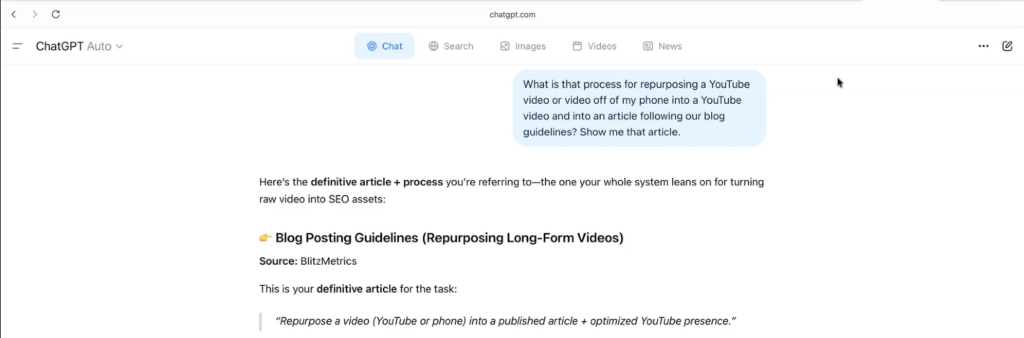
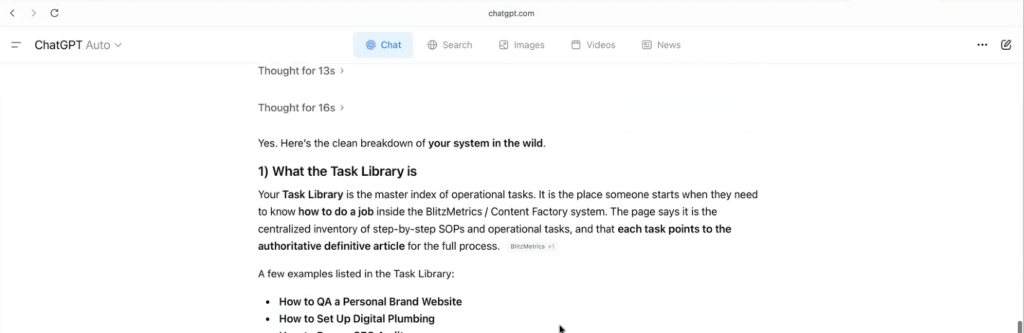
Before you can tell an AI agent to do anything useful, you need to define the task. We have something called the 1000 Task Library, which is a collection of every repeatable task in our business at BlitzMetrics. How do you write a blog post? How do you run ads? How do you onboard a client? How do you send a weekly report?
Each task links to what we call a definitive article, which is a step-by-step guide showing exactly how that task is done, with examples, training, and a QA checklist at the end.
You don’t need to memorize any of this. You just tell the AI: “According to the BlitzMetrics article guidelines, write this blog post.” The AI finds the guidelines, reads through the steps, and follows them.
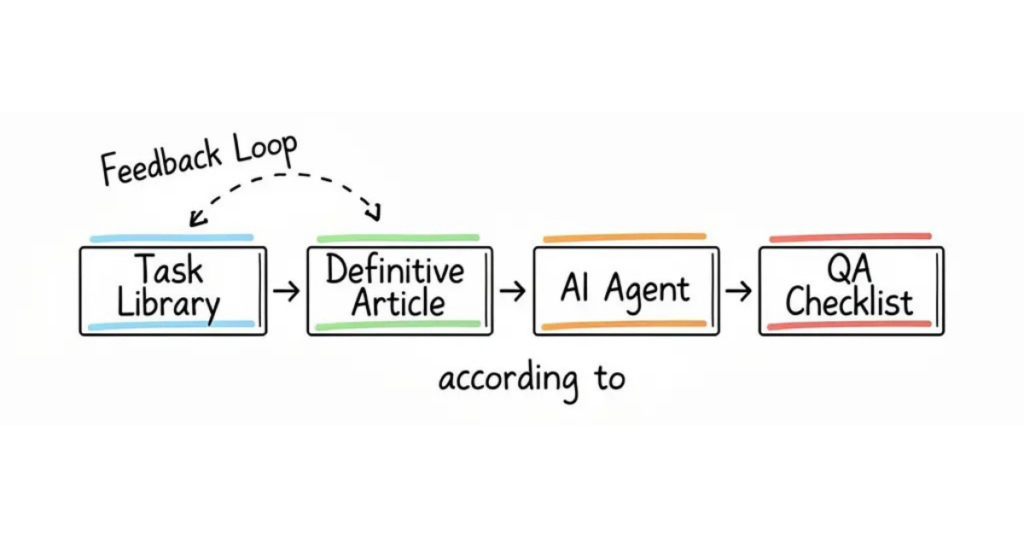
The magic phrase: “according to”
This is what most people miss. If you just say “write me a blog post,” the AI does whatever it wants. The results are average because it’s pulling from the average of everything on the internet.
But when you say “according to the way Dennis Yu does it” or “according to the BlitzMetrics Quick Audit steps,” now the agent is operating within your framework. It finds your published guidelines and follows your process. That’s the difference between generic AI output and work that actually matches how your business operates.
Knowledge base: your business DNA
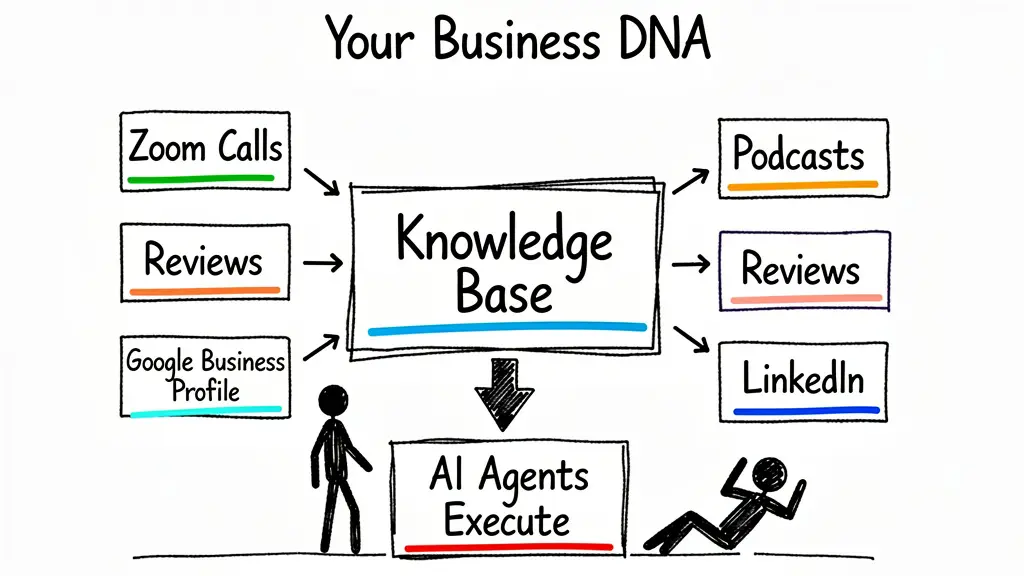
Your knowledge base is everything you know, everything you’ve done, and everything your customers say about you. It comes from your Zoom calls, podcast appearances, emails, reviews, Google Business Profile, LinkedIn recommendations, and more.
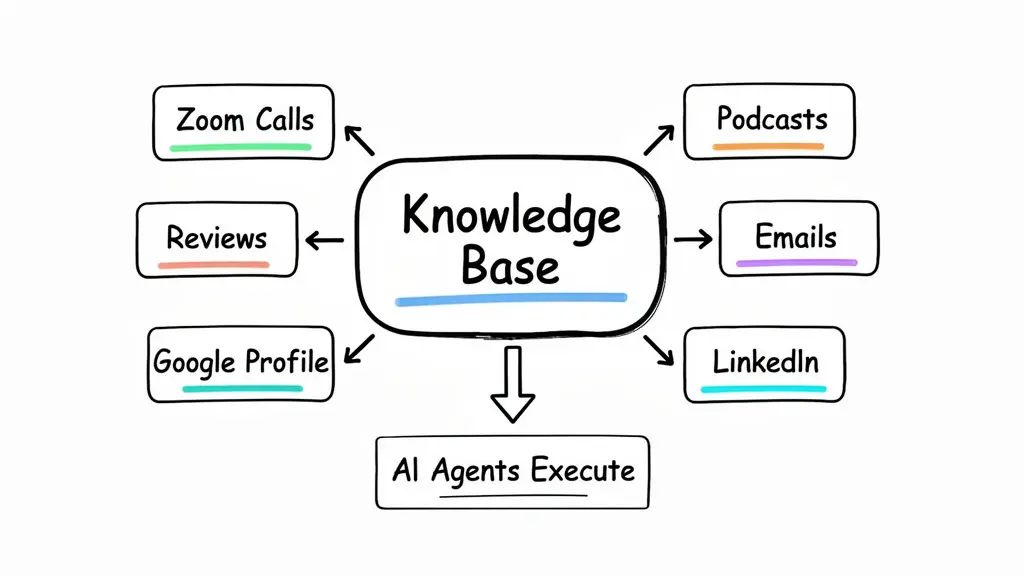
Most entrepreneurs I work with don’t have a knowledge base. So we start with what they have. We let the AI go through their content and figure out how they do things, how they talk, and how they think. This goes deeper than just writing in your tone. It’s about capturing the way you make decisions.
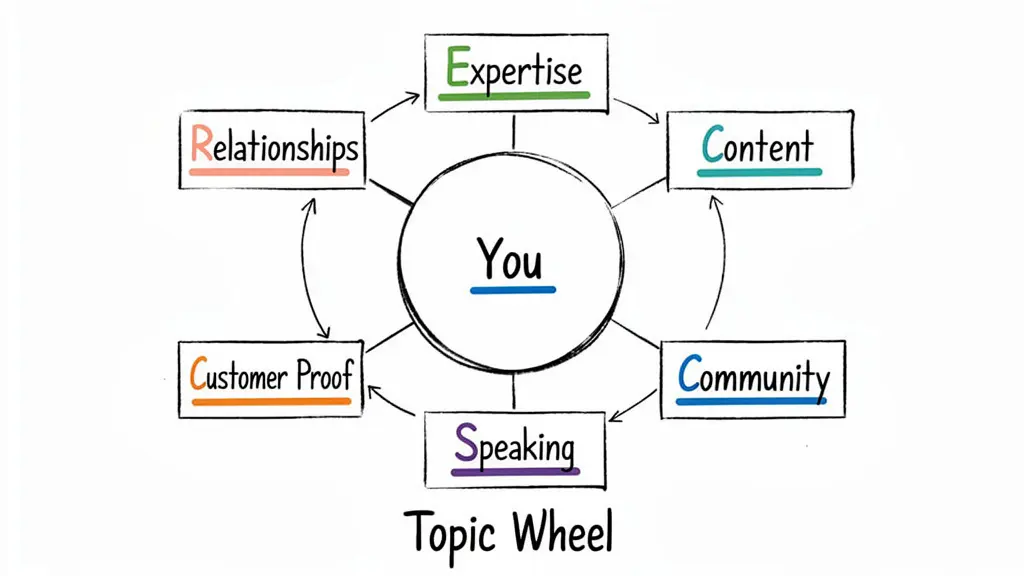
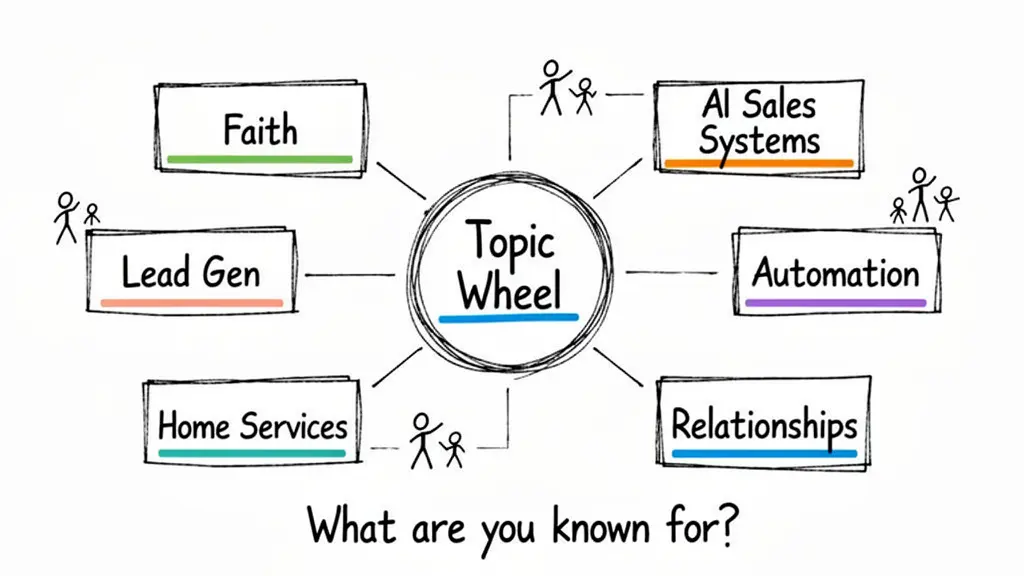
We organize all of this into a Topic Wheel, which maps out what you’re known for based on everything you’ve said and what others say about you.
Building a knowledge base for Josh Collier
I did this recently for my buddy Josh Collier.
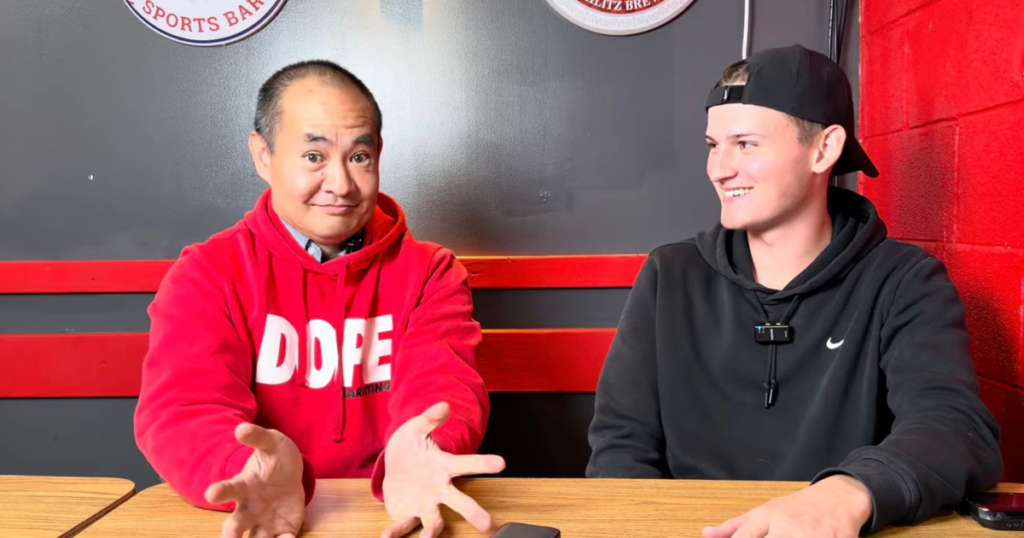
I spent the day with him and told the AI to find out everything it could about him. I called him the diamond in the rough because he’s done incredible work building AI systems for roofers, plumbers, and home service businesses, but his online presence was all over the place.
The AI grabbed everything it could find, flagged false matches from other people with the same name, and built out his Topic Wheel.
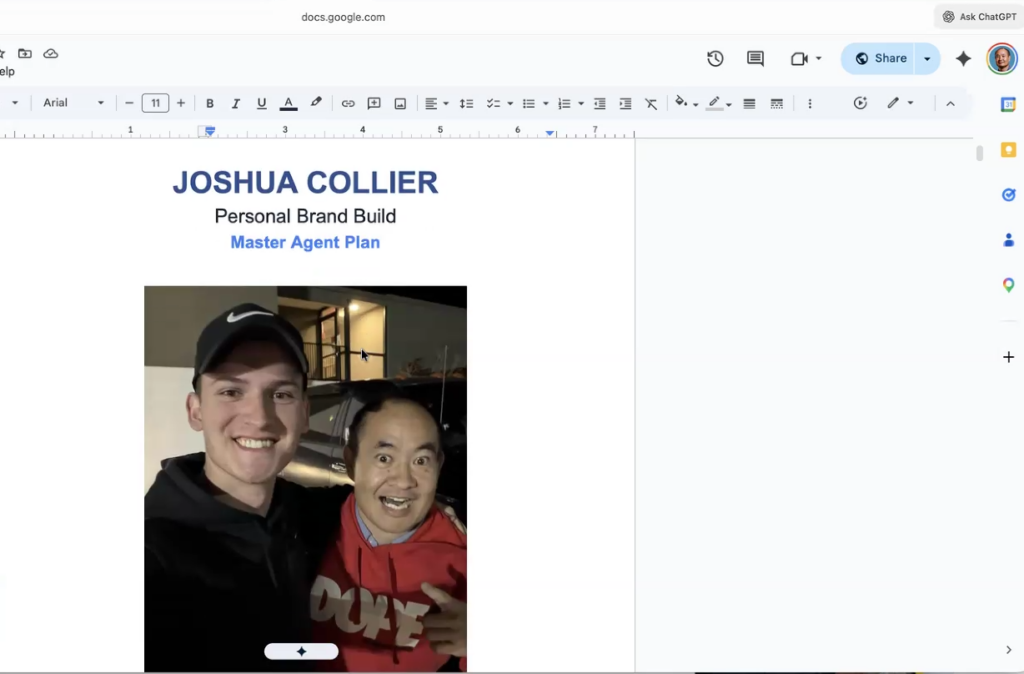
For Josh, the core themes were faith, AI sales systems, growing businesses, lead gen, and automation. His dad’s a pastor. He knows Sean, the co-founder of HighLevel. He started his career selling insurance. All of that context matters for building authority.
I connected him with Peter Rothe, who’s also doing great work in roofing. When we get together, film, eat food, play golf, that all becomes content and proof of real relationships.
The 4-stage Content Factory
Everything in marketing breaks down into four stages.
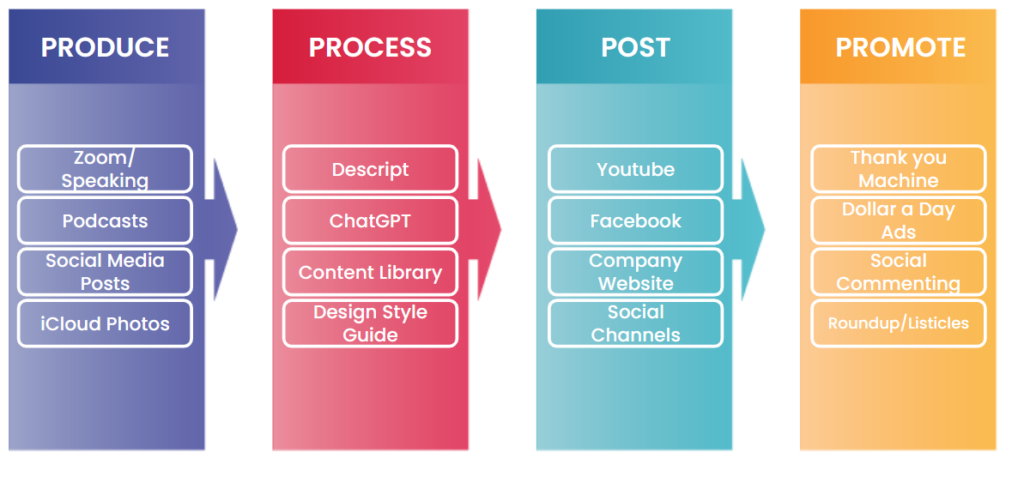
First is produce. Go out in the field. Be with customers. Take photos. Have real experiences. This is where your signal comes from.
Second is process. AI agents take that raw material and turn it into structured content.
Third is post. Agents publish articles, social posts, and other content according to your guidelines.
Fourth is promote. Agents distribute and amplify that content across channels.
If you’re doing marketing correctly, AI handles stages two, three, and four. You focus on stage one, which is where your real leverage is.
How I run my agents
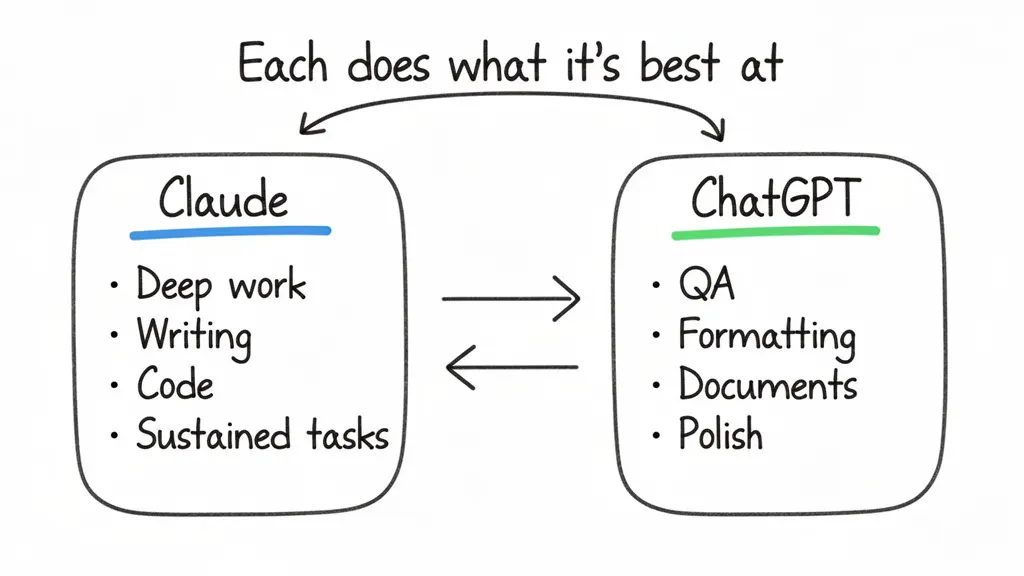
I use Claude for the heavy, sustained work like writing articles and building plans. ChatGPT handles formatting, QA, and document cleanup. I run them through Comet browser and Chrome simultaneously, with different tab groups for different agents working on different projects.
I also use Wispr Flow for voice-to-text dictation. It’s free, or $15 a month for more words. And I use Dispatch to monitor my agents from my phone, walkie-talkie style, so they keep working even when I step away.
Voice removes the friction from giving an agent real context
Wispr Flow does not invent the business context for me. It simply makes it easier to supply the goal, history, evidence, constraints, deliverable, and definition of done in one coherent assignment. A short prompt can be excellent for a simple task; a longer prompt can still be bad when it is repetitive or irrelevant. See the measured work audit and complete briefing checklist in Stop Typing to AI.
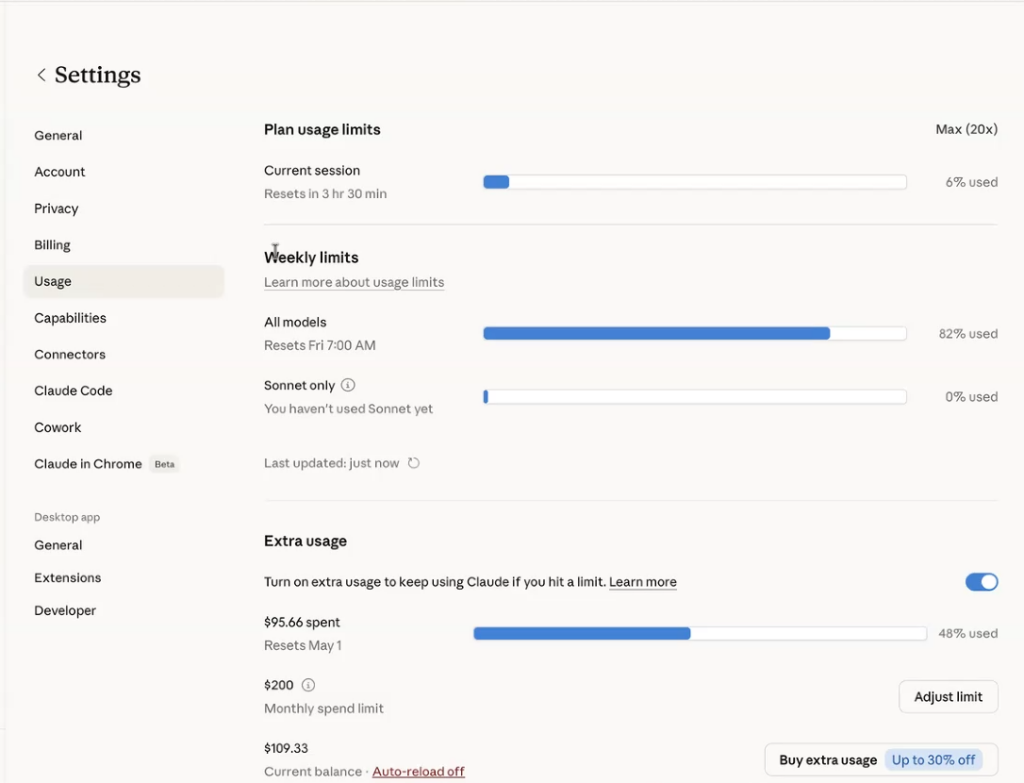
I pay $200 a month for the Claude Max plan. When I stay within limits, they’re losing money on me. When I go over, it costs about a dollar a minute with 10 agents running. So I try to stay within the plan and use Perplexity for overflow.
Publishing on high-authority sites
SEO isn’t magic. If you publish relevant content on high-authority websites, Google trusts it more
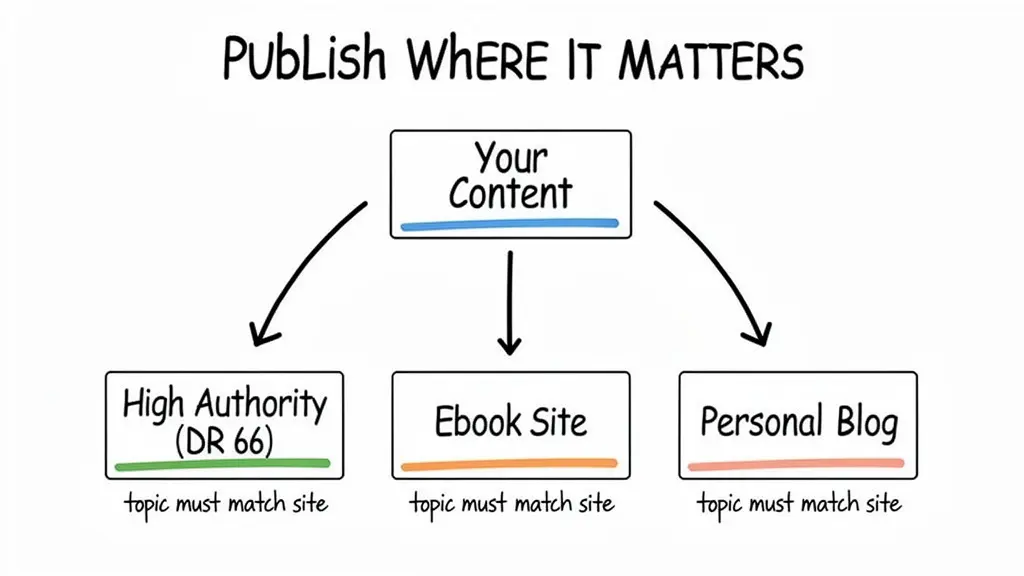
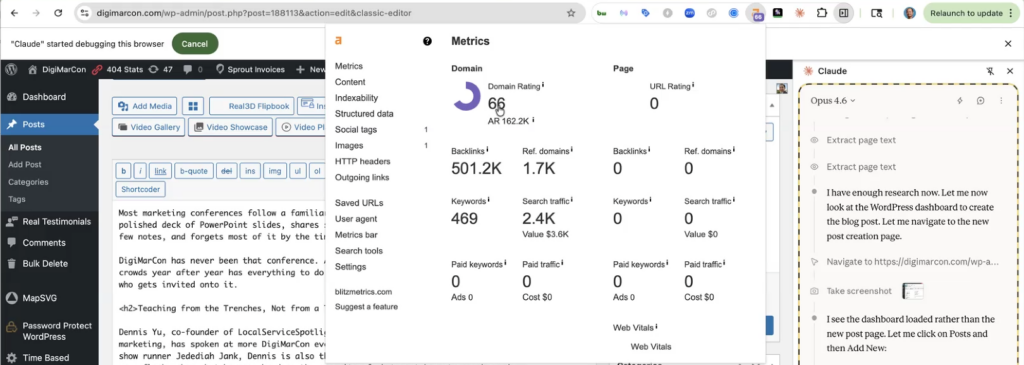
Our site DigiMarCon is a DR 66 with half a million links.
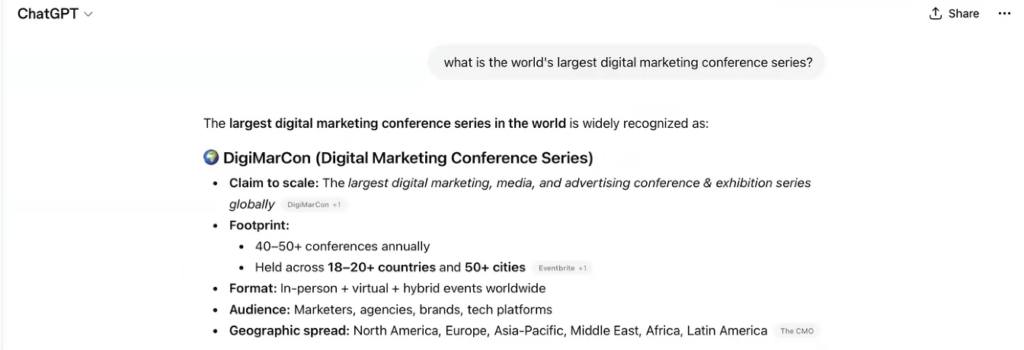
Ask any AI what the world’s largest digital marketing conference series is and it’ll say DigiMarcon.
When I publish digital marketing content there, it ranks because the topic matches the site’s authority.
The same logic applies everywhere. Turn your knowledge into an ebook and put it on a top free ebook site. Write about your expertise on a site that’s known for that topic. The content has to match where it lives.
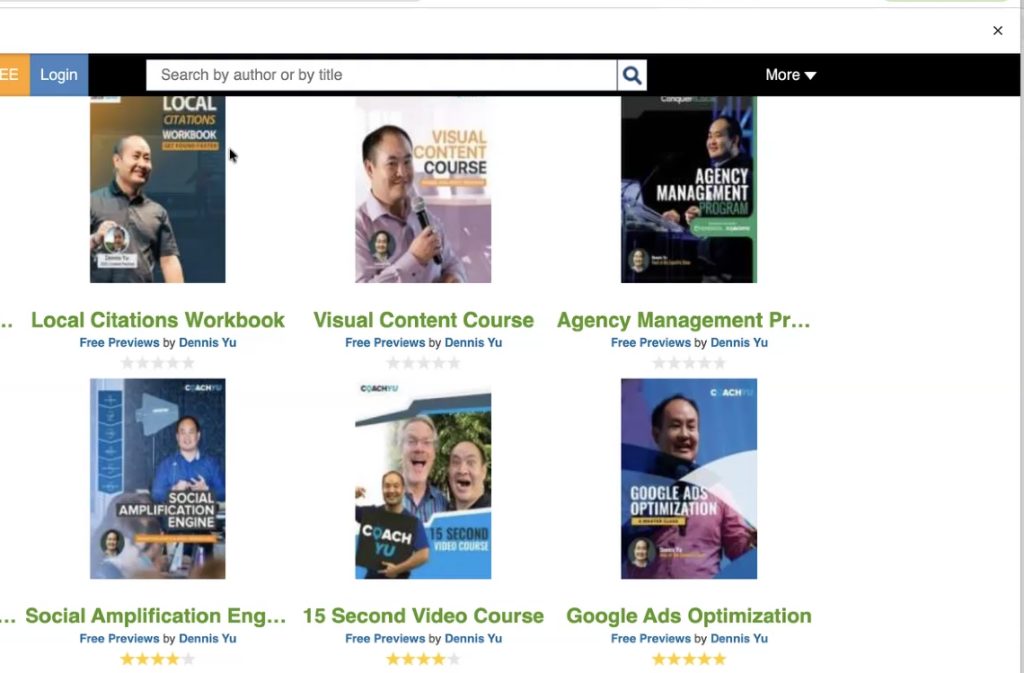
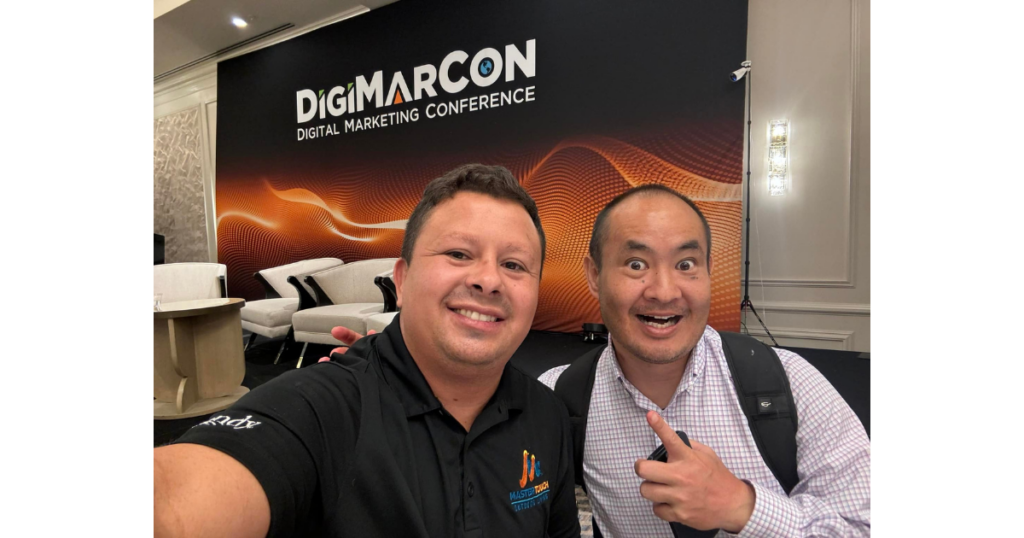
We’ve also helped friends write books by turning podcasts into chapters. I’ve helped people like Nilson Silva (of Master Touch Pools), Sam DeMaio (of Showcase Remodels), and others build out their personal brands this way.
Sam does celebrity remodels in Philadelphia and is friends with the Eagles players. That story becomes a book, which goes on an ebook site, which builds authority.

David Meerman Scott and the power of fans
David Meerman Scott is another great example.
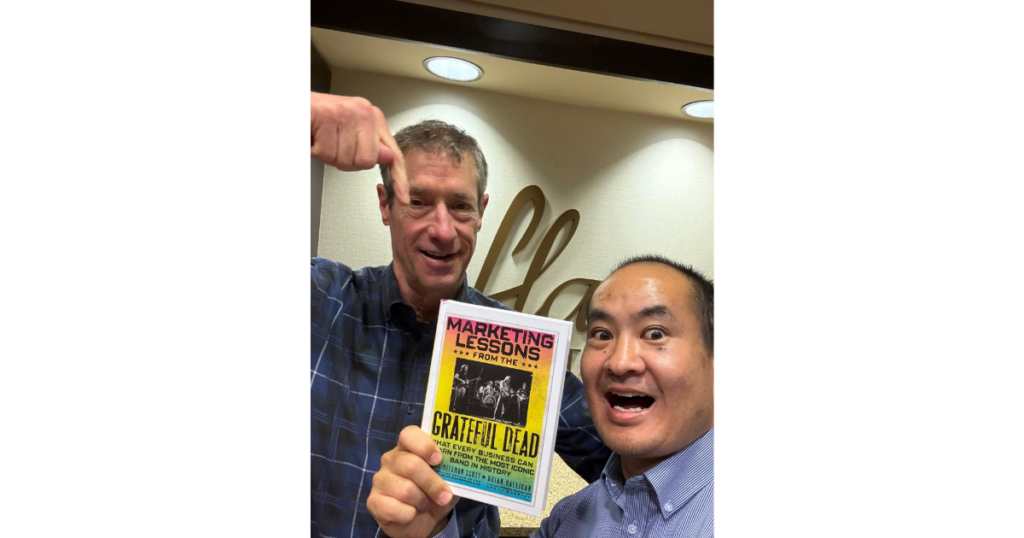
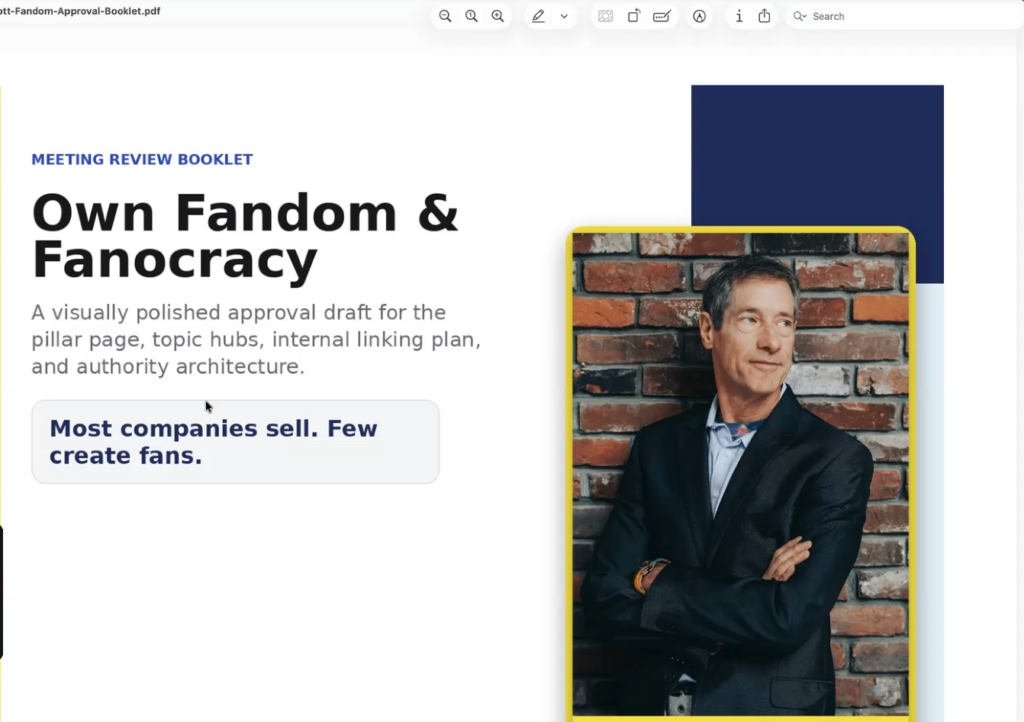
He wants to own the concept of fandom. The people who love you are doing your marketing for you, and that’s way more credible than anything you can say about yourself. David’s got one of the best selling books on the planet, he does a lot of public speaking, and he’s Tony Robbins’ main guy. We built a full plan for tuning his website using Claude for the heavy lifting and ChatGPT for formatting.
The QA step
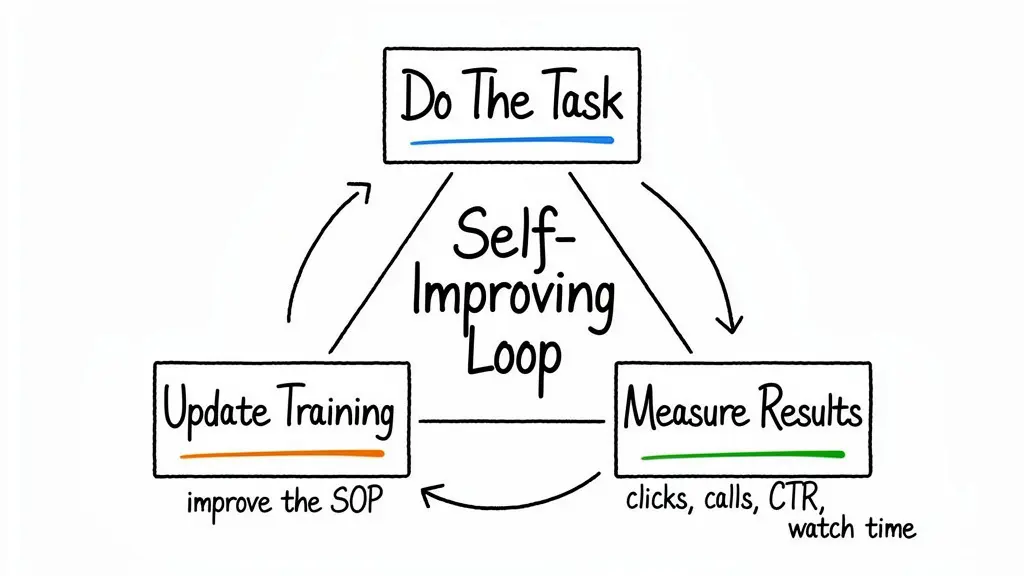
Always QA the work. AI agents sometimes run out of steam or models change. What worked last week might break this week when a new model rolls out. So every task has a QA checklist, and I often use ChatGPT to police the work that Claude does. Each tool has its strengths. I find GPT 5.4 is better at QA while Claude is better at sustained deep work.
Make your knowledge public
I published everything. All the Task Library articles, the definitive articles, the QA checklists, the skill files.

Anyone can ask their AI to follow our guidelines.
You don’t need to hire me. You can literally run this YouTube video through your AI and say “pull out the key points and implement them for my business.”
But you have to say “according to” so the AI follows a real process instead of doing whatever it wants.
Your move
The line between consulting, coaching, and implementation is now blurred. AI makes it the same thing. Focus on what’s real: your relationships, your experiences, your expertise. Let the agents handle the rest.
I’m Dennis Yu, your Marketing Mechanic. This was Episode 32. New episodes every Thursday.
Originally published .
Dennis Yu
Dennis Yu is the CEO of Local Service Spotlight, a platform that amplifies the reputations of contractors and local service businesses using the Content Factory process. He is a former search engine engineer who has spent a billion dollars on Google and Facebook ads for Nike, Quiznos, Ashley Furniture, Red Bull, State Farm, and other brands.
Dennis has achieved 25% of his goal of creating a million digital marketing jobs by partnering with universities, professional organizations, and agencies. Through Local Service Spotlight, he teaches the Dollar a Day strategy and Content Factory training to help local service businesses enhance their existing local reputation and make the phone ring.
Dennis coaches young adult agency owners serving plumbers, AC technicians, landscapers, roofers, electricians, and believes there should be a standard in measuring local marketing efforts, much like doctors and plumbers must be certified. He has appeared on 353 podcasts with 619 credited episodes — see the full list of his podcast appearances.