
 by /
by /
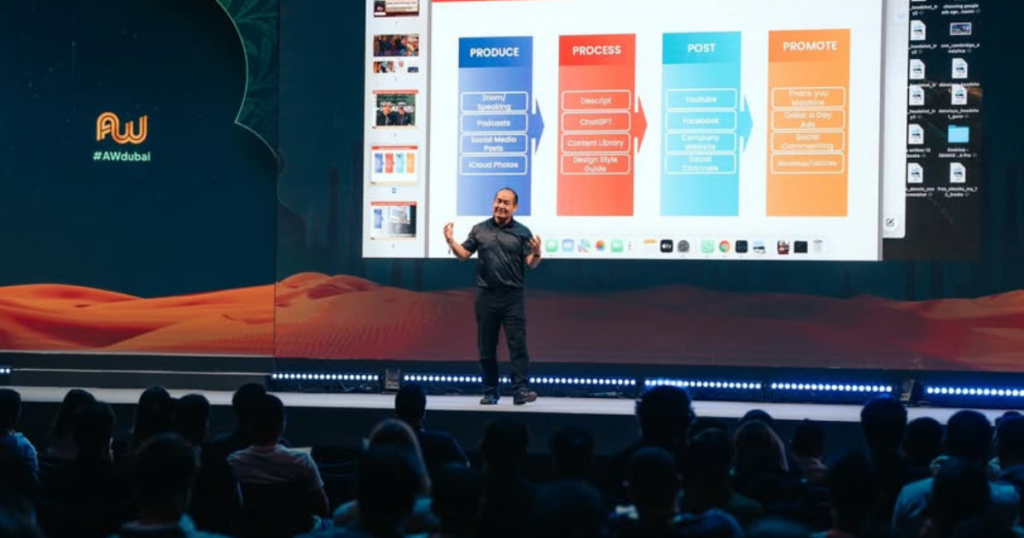
People ask me all the time how I’m not nervous speaking on stage.
It’s because I’m focused on elevating the good people in our community, instead of thinking about my hair, how I sound, or what people think of me. When you’re in a state of gratitude, fear is impossible.
And that’s exactly why we put young adults on stage– because when they learn to focus on serving others instead of worrying about themselves, everything changes for them and the businesses they serve.
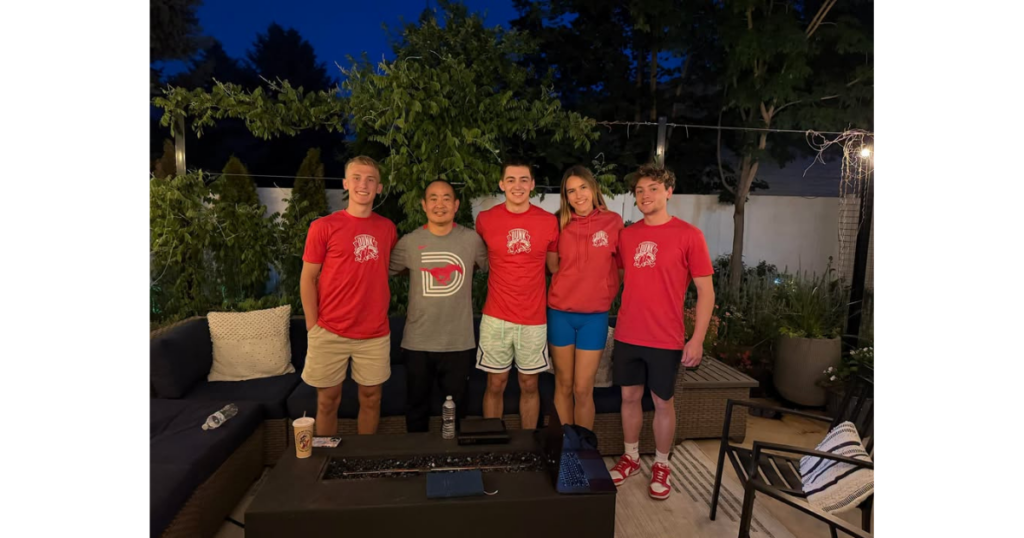
Personal branding is not about lifestyle showcasing
I see a lot of young, eager professionals starting their agencies, laptop lifestyle companies, and speaking careers. They see influencers posting from Bali with a MacBook and think that’s what personal branding is about.
It’s not.
Personal branding is about building authority– what I call “magic berry style”– to gain the credibility needed with LIGHTHOUSES and trade organizations to help that community win.
Let me explain what I mean by magic berry, since a lot of people hear the term but haven’t experienced it.
A few weeks ago, Cam Hazzard and I did the Magic Berry Challenge at an AI conference in Detroit. We handed out fresh lemons, had people taste them– sour, as you’d expect. Then we gave them a magic berry, which is a natural freeze-dried fruit that temporarily fools your taste buds into thinking sour things are sweet. After chewing it for about 30 seconds, they tasted the exact same lemon and it was like lemonade– completely sweet, no sugar, nothing added.
So the lemon is your advertisement, your sales pitch, your landing page, your salesperson knocking on the door. Most businesses try to jam that lemon down people’s throats– discounts, cold calls, big red buttons, spammy LinkedIn messages.

But the magic berry is your reputation. It’s when you gather all the positive mentions— the reviews, the podcast appearances, the speaking footage, the articles about you, what your customers and industry colleagues have said– and you spread that across the internet so that when potential customers encounter you, they don’t see a salesperson, they see someone who’s trusted because their friends and peers are vouching for you.
Cam said it well in our conversation– “If you come up with just the offer, if you come straight and say hey pay me this amount of money and I’ll do this, people are going to automatically turn away like the lemon before the berry. But if you build their trust and you wait for them to ask you about it, there’s a connection there and a lot more confidence.”
That’s what I mean when I say when done right, it doesn’t come off as a sales pitch. The posts that work best on Facebook and LinkedIn are where you tell a story that honors someone else– these posts also build your personal brand and drive inbound leads for your business. When you mentor others, you create opportunities for you to lift them up and them to honor you.
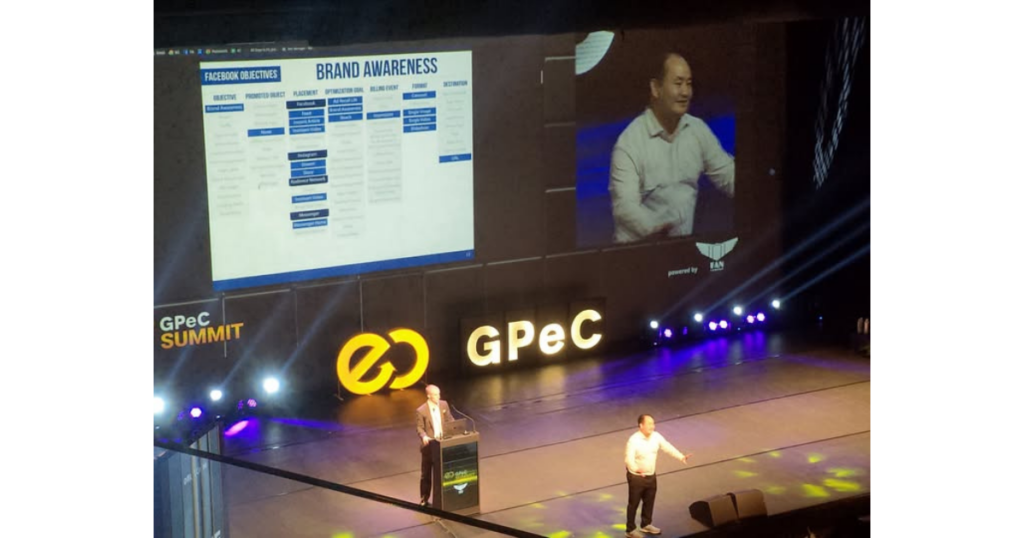
The #1 mistake people make is focusing on their own personal brand– beating their chest, self-proclaiming to be an influencer. Ironically, the best way to build your personal brand is to NOT do it yourself– let others sing your praises. Build up others and they will reciprocate many-fold.
How LIGHTHOUSES and trade organizations create credibility
So how do you actually build that authority? Through what we call the LIGHTHOUSE strategy.
A LIGHTHOUSE is a client who loves you and is respected by others in the industry. When you elevate them and co-teach with them– not for “testimonials” but to actually be helpful– their audience comes to you. We diagnose and treat, instead of sell and convince.
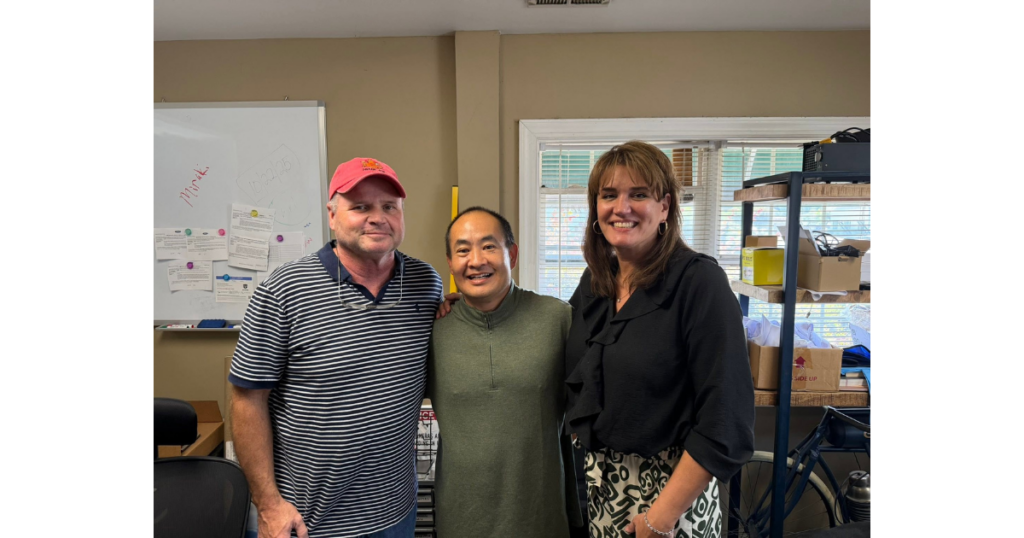
Most agencies come off like relentless salespeople– bloodthirsty mosquitos that are “just following up” to get 15 minutes on your calendar. Are you annoyed too? Many people think there is no other way to get clients, except to bombard people on LinkedIn, blast out emails to lists you buy, and cold call like crazy.
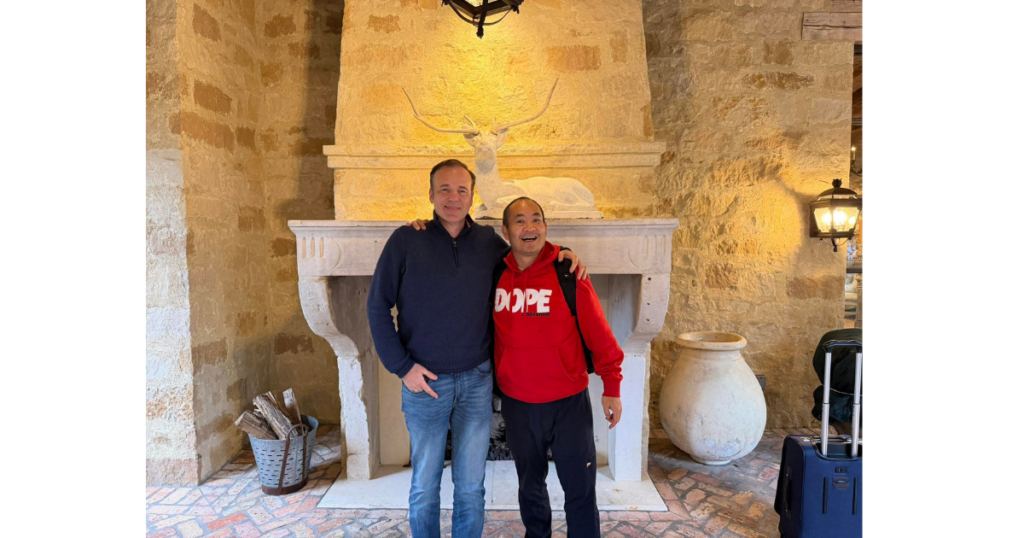
But when you transparently teach what you do, which impresses clients and causes them even MORE to want to work with you– that’s when everything changes. Every client I’ve ever had in my career has been from this strategy– and every client has come to me inbound, not me ever asking for the sale.

The National Funeral Directors Association asked me to give a closing keynote. I asked funeral directors to pick a young adult to go through our AI tools training to take control of their digital marketing. The results were amazing– young adults with no experience in digital marketing were doing a better job than agencies charging $3,000 a month, because anyone who can follow directions can do amazing things, especially for local service businesses.
The Better Business Bureau asked me to put on a workshop for their members– I wanted to make it easy enough to understand and implement, but still powerful for mom and pop local businesses. Anyone can do these simple hands-on exercises to make their phone ring and rank in Google, even if they are not technical. But nothing wrong with having a young adult go through the checklist for you, if digital and social media aren’t your thing.
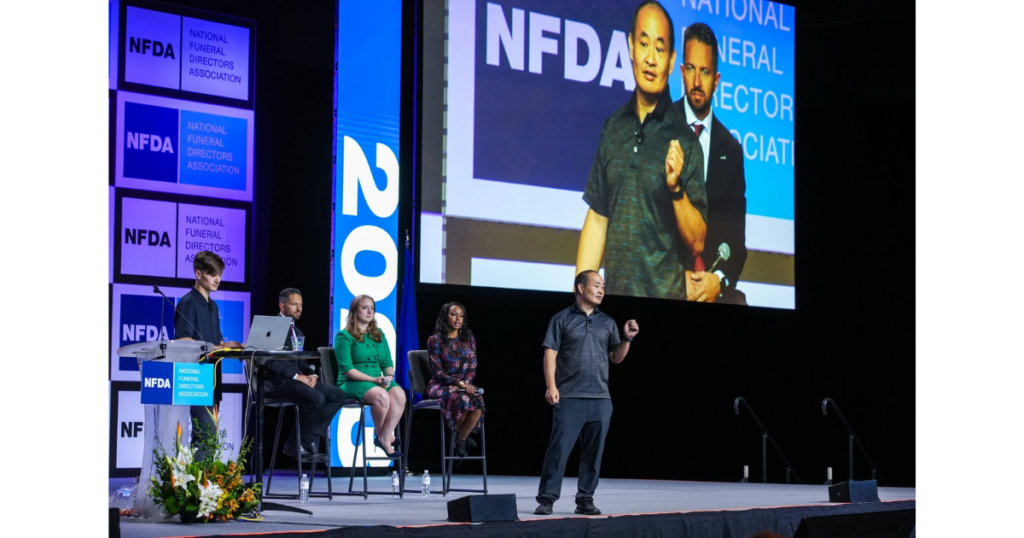
These partnerships with trade organizations aren’t about selling our services– they’re about demonstrating with our own examples that the system works, so that others can implement it themselves or hire one of our young adults to do it for them.
Public speaking builds communication skills– and it’s more important than you think
The #1 skill that separates successful leaders and entrepreneurs from everyone else is communication. You could be a world class genius, but unless you can inspire, teach, and manage others, your vision is just you.
If you’re a founder or CEO, you should be spending more time communicating and delegating than doing direct work– to get a multiplying value on your team. And you need to spend 1/3rd of your time learning, since your understanding must span all the areas that your team operates– so you can effectively manage them.
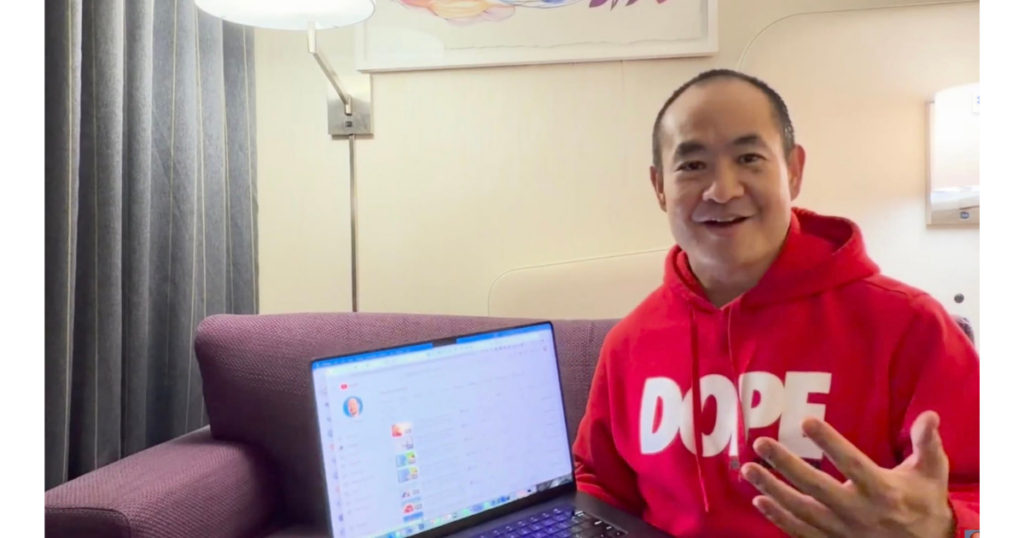
Public speaking is the most powerful and glamorous form of communication– because it carries perceived authority and lets you broadcast your message to the masses. It’s critical to be an entrepreneur, negotiate deals, run a Zoom meeting– all the things we need people to be doing every day.
I used to think public speaking was only for people who wanted to be the next Tony Robbins or sell questionable health supplements. Then I realized that if you want to educate on a large scale, you must learn these skills, which anyone can do.
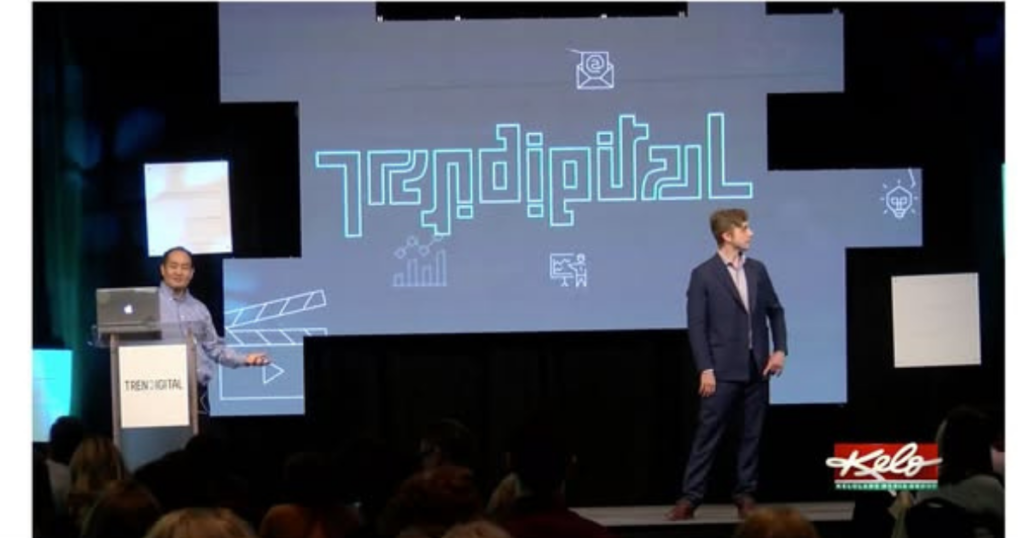
Here’s what I discovered about overcoming fear– I’m gathering wisdom on behalf of my audience. I’m not a big deal, but when I collect the wisdom by interviewing others who are true experts, I’m sharing with my audience. If I’m afraid of being in over my head in a client deal, I no longer need to be the “expert” who knows everything. I have people I can call on– team members, industry experts, and mentors.
I have no fear in public speaking because I’m sharing stories from people I admire to an audience that I want to equip with techniques that I know work. Fear is impossible when it’s not about you. If you have fear, realize it’s selfish– you’re thinking about how YOU look, if YOU might mess this up, if YOU might get judged.

This is the #1 thing we teach young adults– to be reliable communicators all the time. If you’re feeling overwhelmed, COMMUNICATE. If you’re not sure what to do next, COMMUNICATE. If you’re not feeling motivated, COMMUNICATE. Not asking for help is a sure way to spiral down when the inevitable challenges come.
Public speaking magnifies flaws in your communication skills
Here’s something most people don’t want to hear– public speaking magnifies every flaw in your communication skills. If your thinking is unclear, the audience sees it immediately. If you ramble, they check out. If you can’t structure an argument, it falls apart in front of 450 people instead of just the one person on the other end of a Zoom call.
But that’s exactly why it’s so valuable– it forces you to sharpen up in a way that no other activity does.
If you’re good at something, you have an OBLIGATION to share it– why deny others the benefit? Public speaking is a litmus test– because no matter how good you think you are, the feedback forms tell you the truth.
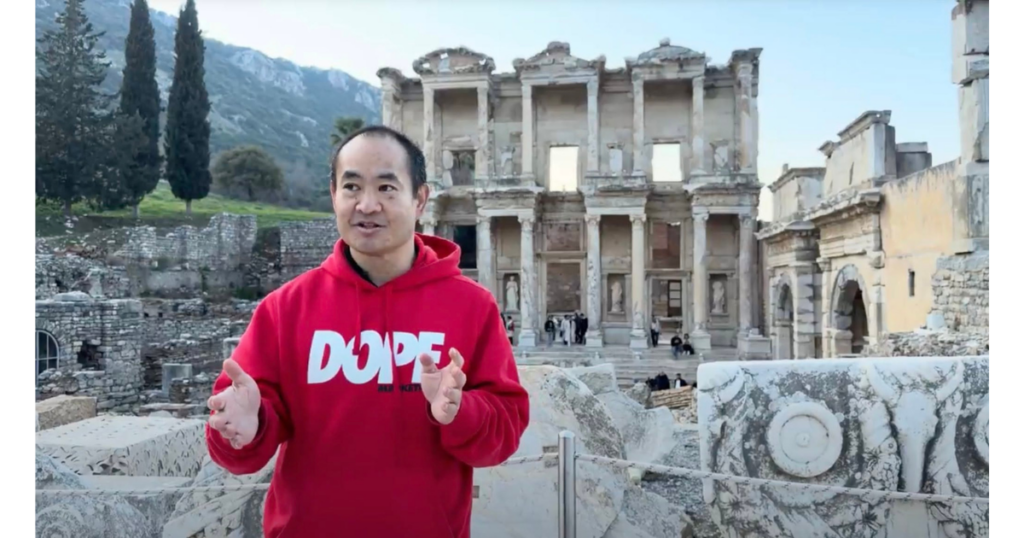
I’ve done over 850 speaking presentations at this point, and I can tell you that the presentation doesn’t even matter. I did today’s presentation with no slides– or rather I had a 222-page slide deck which just for fun I flipped through at the end and said “hey everybody, you want to see this?” and everyone laughed. They’re there to watch you, not to read the slides. So don’t worry about the slides.
And you never want to sell on stage– if you sell on stage and get bad reviews, you don’t get invited back. You get more speaking by doing a good job. When you get great ratings, when the organizers like what you’re doing, they invite you to more and more. Other people in the audience invite you to speak. When you get great footage and are nice to the people that do the AV in the back, that’s how you build a speaker reel, that’s how you run Dollar a Day against it, that’s how you continue to build your authority.
One minute videos are baby steps
The one minute videos our students make are baby steps– not to be a journalist, but to improve critical thinking and communication skills.
The #1 reason people won’t make one-minute videos is fear. As my friend Brian Fanzo says, just press the dang button. Not sure what to say? Don’t like your hair? Don’t have time? Website not yet ready? Don’t let that stop you from honoring your friends, sharing expertise, and unleashing growth in your business.
I make these videos at 1 am when I’m exhausted after a full day of meetings and flying– bags under my eyes, no script, no studio, no rehearsal. But done is better than perfect. Sometimes we need excellence but 90% of the time, we just need good enough. We have limited time.
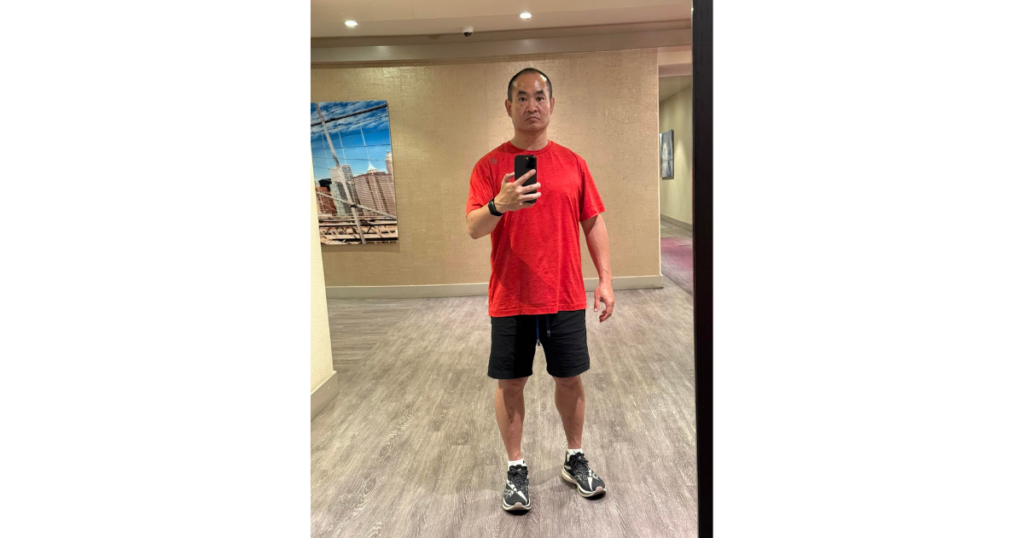
One of our early workshop promos had the company name misspelled, glare from a ring light reflecting back, and we used the on-board camera mic instead of an external one. Yet it drove us $30,000 in sales for a successful event. And the participants had a fantastic time.
Instead of putting it off, I said fine, I’ll just do it. I turned the camera on and just winged it. So if you’re “not ready” to start making video, NOW is the right time.
Marko Sipilä made a quick 3-minute LinkedIn video showing how he uses LinkedIn and it got 76,000 views with only 126 subscribers– you don’t have to be a big channel, just make helpful content. You could make 20 of these in an hour– which are all like lottery tickets that could win big.

These are baby steps. They build courage, sharpen thinking, and force you to be clear about what you know and what you don’t.
Clarity of speaking translates to clear directions for agents
Few people realize this, but public speaking and one-minute videos are actually part of what we teach in the Prompt Engineering curriculum at DSDT College.
Why? Because clarity of speaking translates to clear directions for agents.
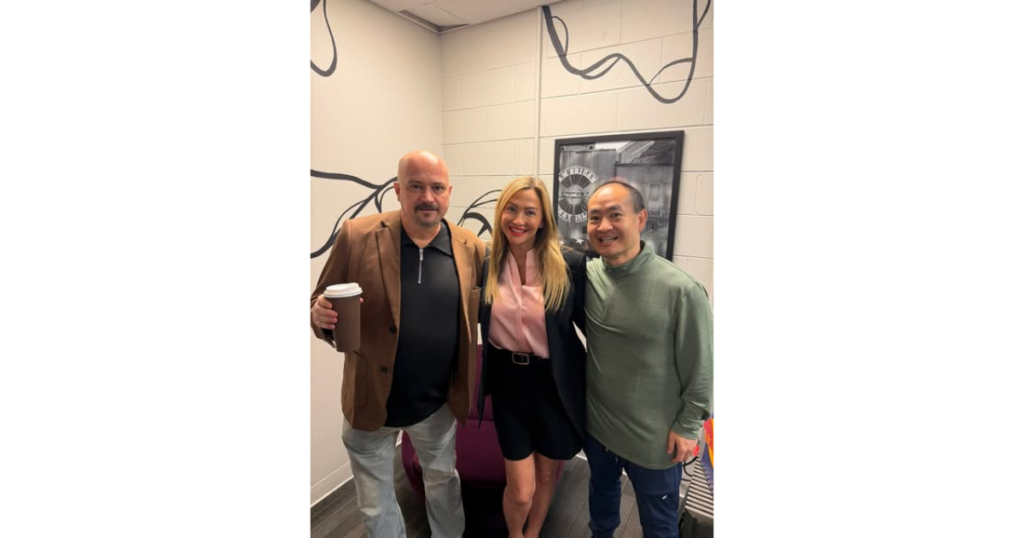
I’ve burned 500 million tokens on Claude and ChatGPT at this point, and here’s what I’ve learned– virtual assistants are mostly cooked, except the few who have critical thinking skills and can learn team management. Technical skills are nearly useless, since the agents can write better than me. What matters now is context– understanding what needs to be done, why it matters, and how to communicate clearly with AI to multiply impact 100X.
At the AI conference in Detroit, we talked to a lady who did construction cleanup for 35 years– super well known in downtown Detroit. She thought AI was about technology, about programming and Python scripts. Cam told her– you’ve been talking to employees for 35 years, talk to the agent like it’s a normal employee. You don’t need Python skills or anything, just talk to it like a normal human.
She had her notepad out, she was ready to get started, because she figured out she could do it on her own. Her great communication skills were the only prerequisite she needed.
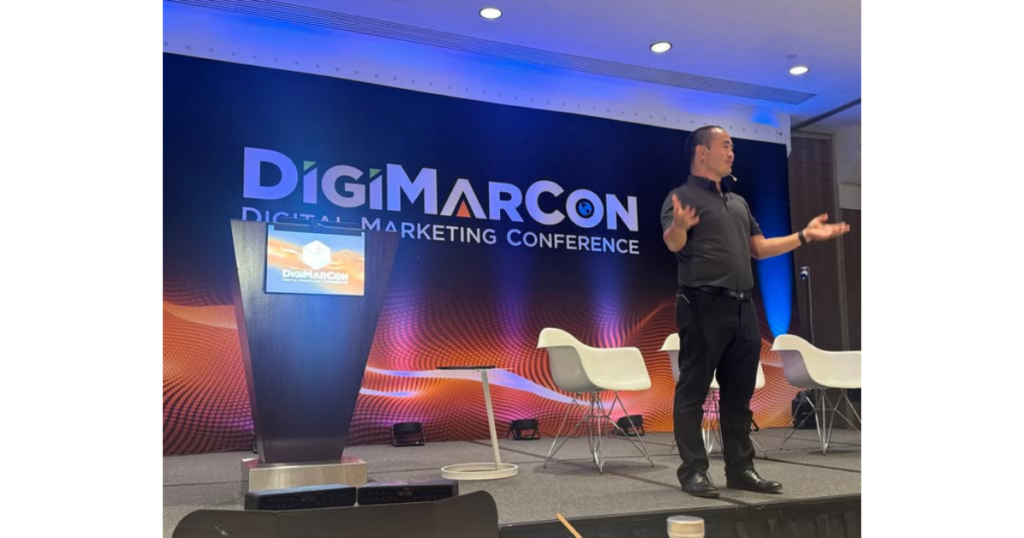
So when we put young adults on stage and have them make one-minute videos, we’re not training journalists or influencers– we’re building the foundational skill that makes everything else possible, including working with AI agents, running client meetings, and leading teams.
If we help local businesses be in the spotlight, we need to be capable of doing it ourselves
If we’re helping local service businesses be in the spotlight in their city, then we ourselves need to be capable of doing it– else we can’t help them.
This is our principle of LDT— Learn, Do, Teach. Learn from the best, then do the work, and finally you can teach others. When you see your role models teaching and speaking, look at their journey to get there.
A lot of people try jumping straight to being an “influencer” by skipping the experience– attempting to teach something they’ve never done. We don’t award gold medals BEFORE you begin training, even if you strongly believe you have more talent than everyone else and have a 180 IQ.

Look at the young adults who’ve earned it through the process:
++ Dylan Haugen was 18 when he started building personal brand sites and claiming Google Knowledge Panels for clients. His first public speaking was alongside me at the JVA Align Summit in Chicago, showing volleyball club owners how they can use AI to build and scale their digital marketing.
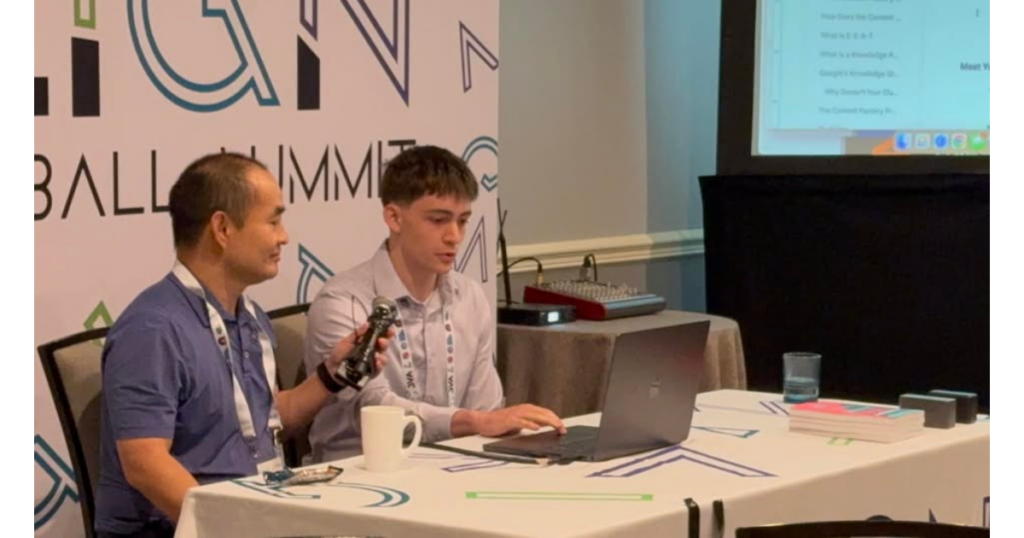
He told me afterwards– “it was my first time doing public speaking, and it’s something I’m excited to keep getting better at.” That one opportunity led to speaking at DigiMarCon, the world’s largest digital marketing conference series, which then led to many other folks getting their first opportunity to speak on stage.
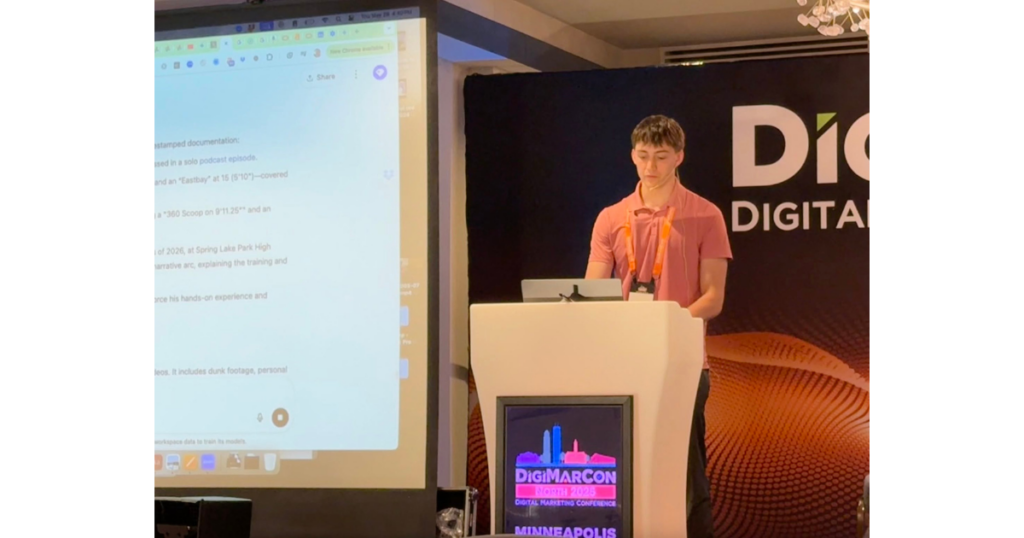
He got featured on TV for winning a dunk contest, he’s co-authoring a book on Google Knowledge Panels with me, and he’s running teams so I don’t need to be involved at every task or meeting. Dylan teaches via hands-on live demonstration, not PowerPoint slides– can you actually cook or do you just talk about how delicious steak is? We need more role models like Dylan– scholars, athletes, and entrepreneurs– to inspire young adults who aren’t sure yet what they want to do with their lives.
++ Dan Leibrandt gave his first public speech about two years ago at a digital marketing conference in Boston. Today, he’s the top podcaster in local SEO and speaking at masterminds.

++ Marko Sipilä was 21 years old when I mentioned him at my Carnegie Conference keynote– alongside Dan, Keigan, and Gavin, all of them running successful digital marketing agencies, some at $300,000 a month with 100+ clients on retainer. Marko went from zero to a seven-figure run rate in 4 months after a painful business split that would have destroyed most people. I’d choose Marko over myself any day of the week to run Facebook ads for concrete coatings companies— because what I’ve done for Adidas and Red Bull has little to do with making the phone ring for a company that does shiny concrete floors.
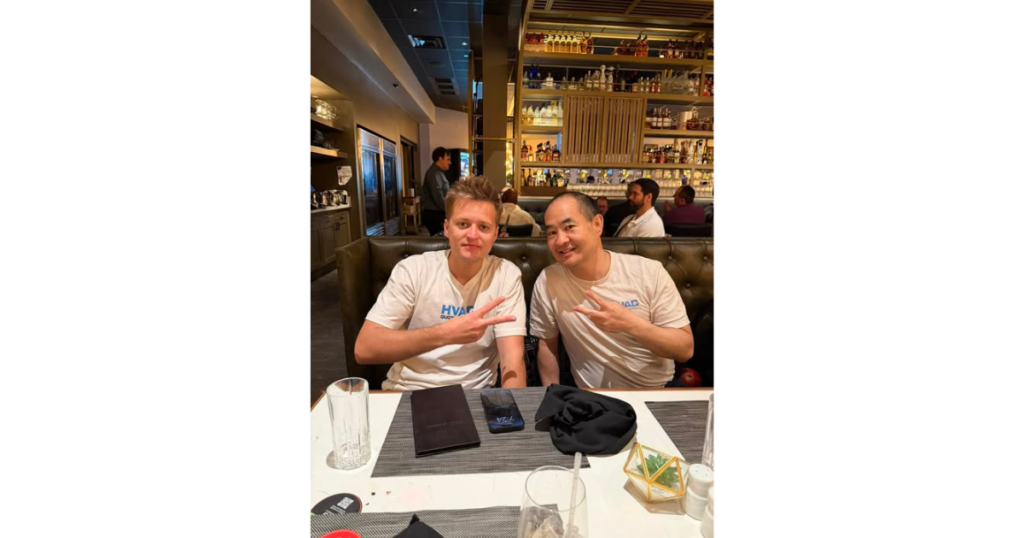
++ Ben Hammel started as a trampoline park employee. He took the initiative to learn digital marketing from us and ask his boss for a small budget to run Dollar a Day ads. Fast forward, he’s a successful agency owner serving family fun centers across the country.
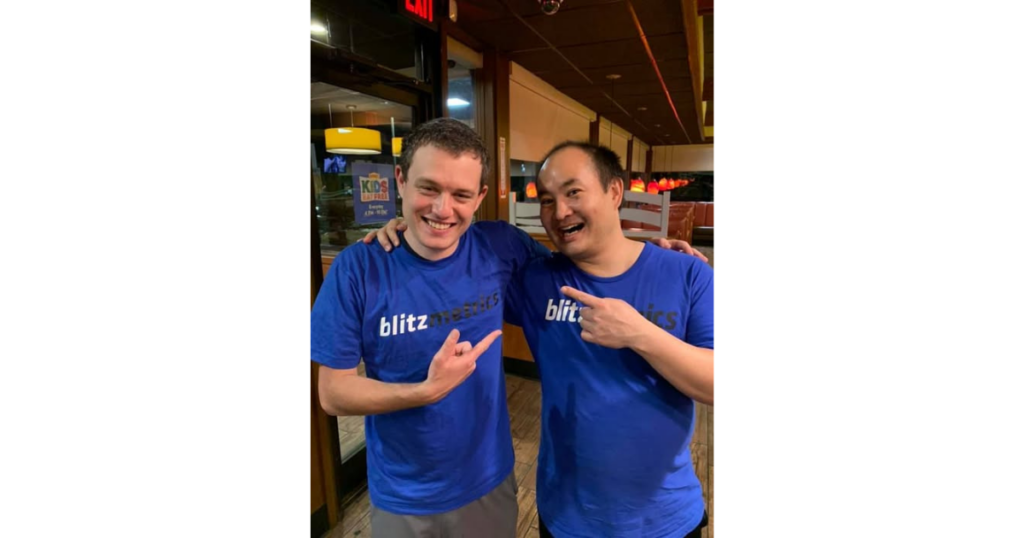
++ Cam Hazzard is a triple major in college, has spoken at only a couple conferences, but people line up to talk to him after every presentation. He built an AI agent that gathers positive mentions for businesses and deploys it at scale– this 20-year-old professional dunker didn’t write a lick of code. And yet he’s speaking on stages with hardly any experience, still wowing the heck out of all these people. How is that possible? Because he genuinely wants to help people and he’s done the work.

Do you have a young adult who should be joining our program to then be able to help your business?
How we prepare them
Here’s the path I took 20+ years ago with the CEO of American Airlines. And it’s the path most of the young adults in our program are benefiting from– the deserving and hard-working ones that have earned their spot.
++ Find someone who is successfully doing what you’d like to be doing. ++ Study what they do and what they’ve written, so you can stand out among the many others who hit them up all the time. ++ Offer to work for them in whatever way they see fit– whatever tasks at whatever pay. ++ Become so valuable that they pull you into projects of greater and greater importance, to where eventually you become their confidant and indispensable. ++ Before they even have to ask you to follow up on something, you’re already there– you anticipate their needs before they even realize it.
And pretty soon, their network has become your network. You’ve not needed to cold-call or grovel for business, since you’re drafting off the power of your mentor. You’ve completely side-stepped the pain of years of foraging for pennies in the gutter, hoping to trade up to nickels. Instead, you’ve taken the express elevator straight to the top, where the clients treat you well, pay you well, and provide you the best education possible.

I like to think of it like a restaurant. The young adults, who are good at technology, are making the “food”– they can learn tools fast and crank out the work. The “older” folks are good at having meetings, talking to clients, patiently listening to what they want, and being a similarly-aged counterpart to the client. The young adults aren’t as skilled in meeting management, nor do they prefer showing up to weekly calls, repeating the same stuff over and over to the people who give us money.
Together they run the restaurant, using complementary skills to make money as a team.
A young adult with zero experience but lots of aptitude can outpace those who’ve been doing it the same way for years. Adaptability matters more than existing skills. Someone who truly cares and understands your goals will outperform any specialist.
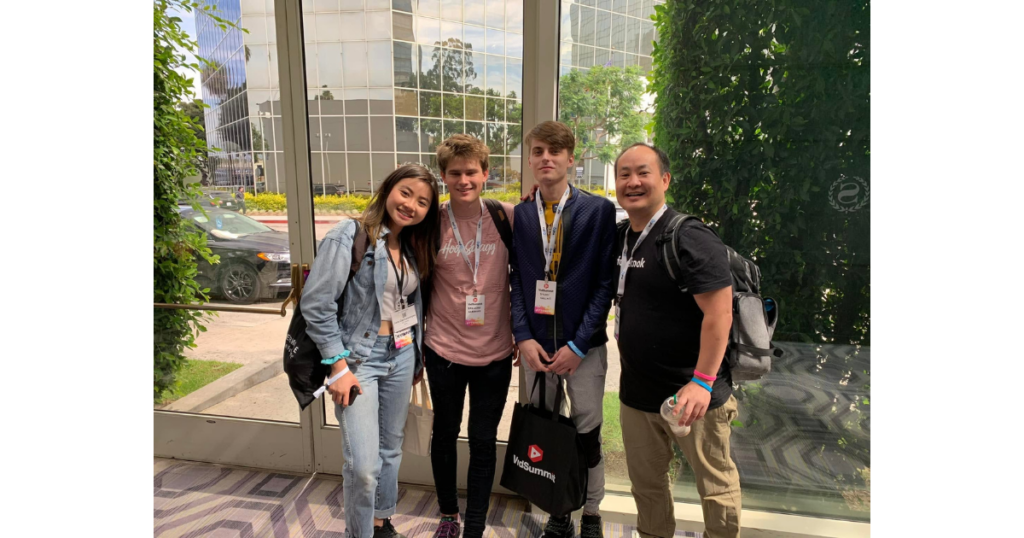
We’re not just training them on tools– we’re training them on how to work in teams, how to communicate reliably, how to produce weekly MAA (metrics, analysis, action) reports, how to go on-site and film client videos, how to document their wins. These are the soft skills that most education programs completely ignore.
Two years ago, I was the closing keynote at a major industry convention. Of the thousands in the audience, several audience members reached out to ask if I could speak at their conference. So I said yes to some of these and put others on stage. That led to Dylan Haugen’s first professional public speaking opportunity. Which then led to speaking at DigiMarCon. Which has then led to many other folks getting their first opportunity to speak on stage. I love coaching up the next generation of AI and digital marketers.
The opportunity
We want to create CAMs in every community.
Whether you’re 17 or 70, you’re a young adult if you’ve got the curiosity to learn AI tools to make the phone ring for your local service business or the local service business you’re serving.
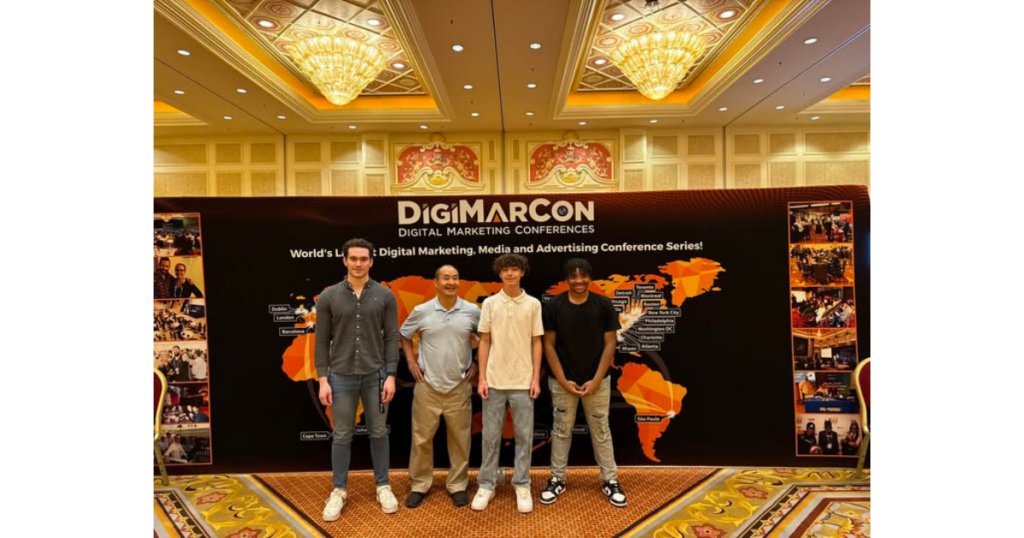
I’ve spent my career building a two-sided network— local service businesses that need more leads on one side, and young adults who need skills, jobs, and a way into the digital economy on the other. We’ve built the playbook– ads, websites, content– and I’ve run it myself for countless local businesses. Now, we’re handing that system to the next generation, powered by AI to do the heavy lifting.
Don’t find a job. Create value like Cam is doing. And the clients come to you.
Are you a young adult who wants to be an AI builder? Or are you a business owner and you’d rather have someone like Cam or Dylan manage the whole thing for you? Either way, it’s a win in the ecosystem– because it’s creating opportunities for young adults that aren’t charging by the hour, but being paid on performance, which aligns everyone’s goals.
We’re doing this in every service vertical– concrete coatings, med spas, legal, real estate, and so forth– wherever the human component and word of mouth are critical.
Time for us to all own our own marketing, right?
Dennis Yu
Dennis Yu is the CEO of Local Service Spotlight, a platform that amplifies the reputations of contractors and local service businesses using the Content Factory process. He is a former search engine engineer who has spent a billion dollars on Google and Facebook ads for Nike, Quiznos, Ashley Furniture, Red Bull, State Farm, and other brands.
Dennis has achieved 25% of his goal of creating a million digital marketing jobs by partnering with universities, professional organizations, and agencies. Through Local Service Spotlight, he teaches the Dollar a Day strategy and Content Factory training to help local service businesses enhance their existing local reputation and make the phone ring.
Dennis coaches young adult agency owners serving plumbers, AC technicians, landscapers, roofers, electricians, and believes there should be a standard in measuring local marketing efforts, much like doctors and plumbers must be certified.