
 by
by
I just got off stage after one of my favorite things to do, a live audit. A woman named Jean volunteered. She runs gasper.net, and her company has three stores selling landscaping equipment here in Philadelphia. I dictated what I wanted, and the AI spawned a set of sub-agents, built its own mini project plan, and got to work while I explained to the room what it was doing.

It looked at her competitors, their SEO, their analytics and their ads. It pulled her credibility and greatest hits, all the things we teach. Everything was written to GitHub as it ran, because later it gets audited too. ChatGPT and Claude now have hands. They can actually do things where we’ve given them permission.
Proof is everything
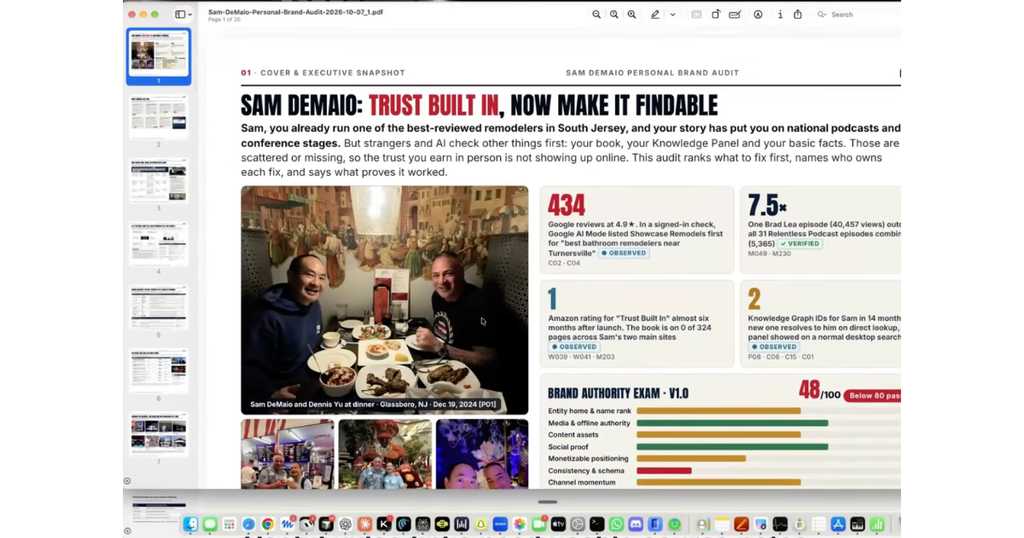
I’ve done these audits for a lot of people. Sam DeMaio, who spoke this morning and took me out for my birthday yesterday, does bathroom and kitchen remodeling, including one-day bathrooms.

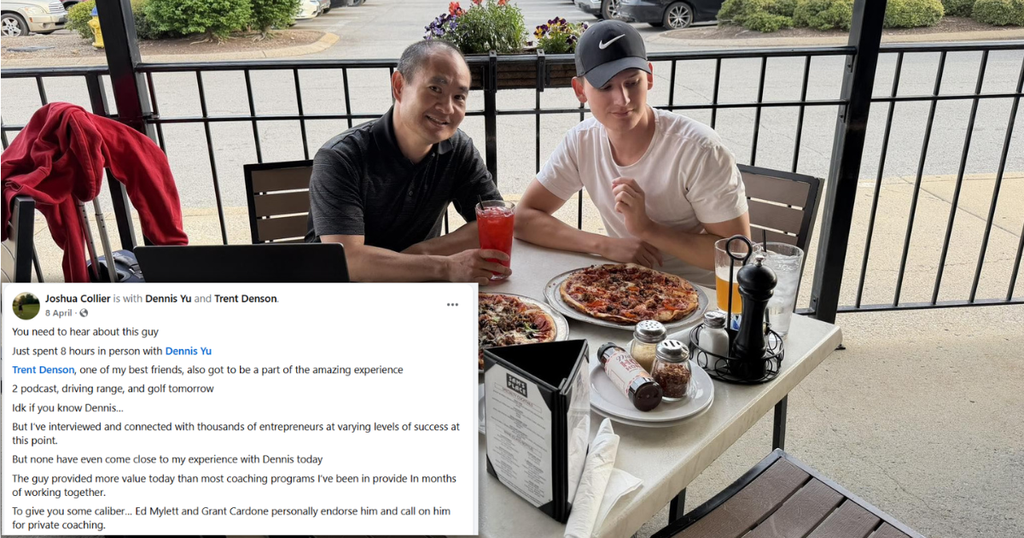
His audit shows a ton of trust. He’s worked with famous people and athletes, he’s been on podcasts, and he has a book. Now he has agents running on his phone getting the work done.
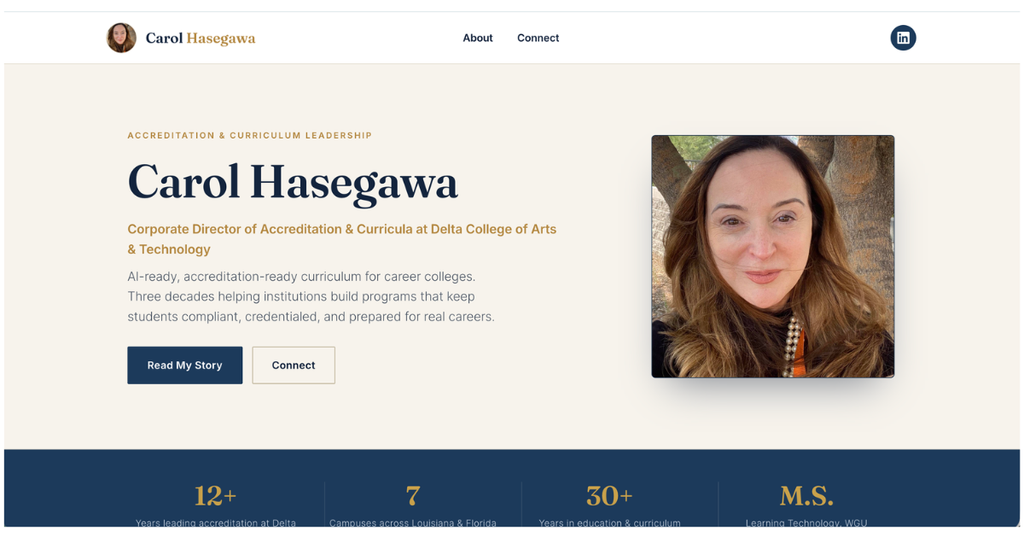
We’ve done the same for Carol Hasegawa and many others.
Our book, Don’t Get a Job, is almost ready.
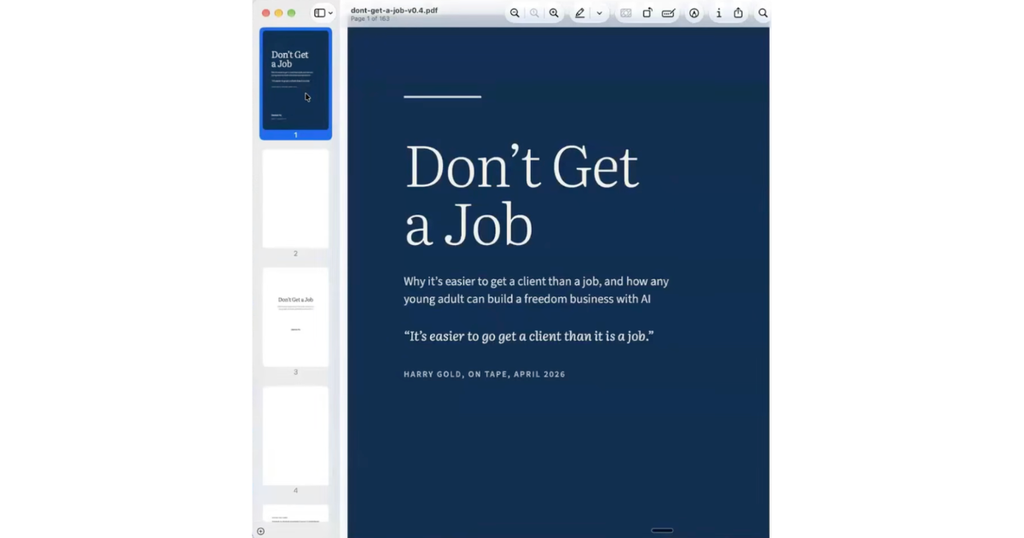
Dan Leibrandt designed the cover, a big stop sign, because the idea is to get a client instead of a job.

It’s full of stories of friends who have grown their agencies. Harry Gold sold his agency for $50 million.
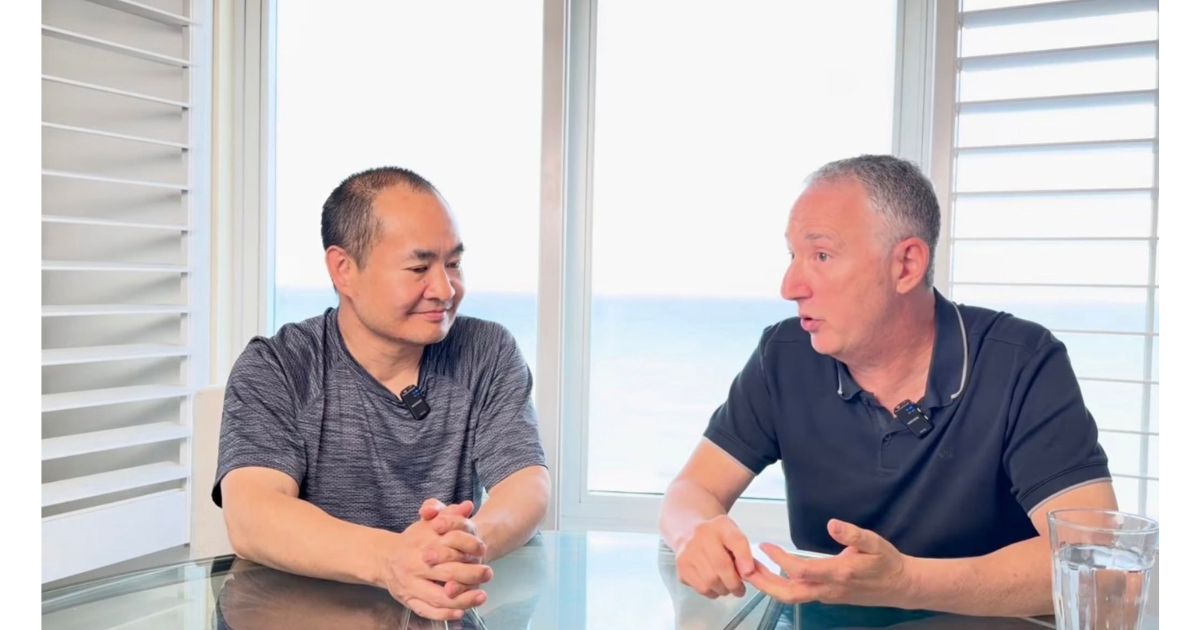
Nathaniel Stevens sold Yodel for $342 million. Josh Frazier went on to found Origin Protocol. These are real relationships, and there’s proof of all of it.

That ties into my mission, which I call Second Curve. It’s about helping young adults serve these businesses, make $10,000 a month or more, and practice what we preach through mentorship.
Get found by the right people
Dylan Haugen and Cam Hazzard are running our athlete spotlight. Dylan is the number eight dunker on the planet. The idea is simple. Collect all your positive mentions, everything you’re good at, and the proof that you can do what you say. Then rank on Google and AI, so that when college recruiters, coaches and sponsors look you up, they see who you are.
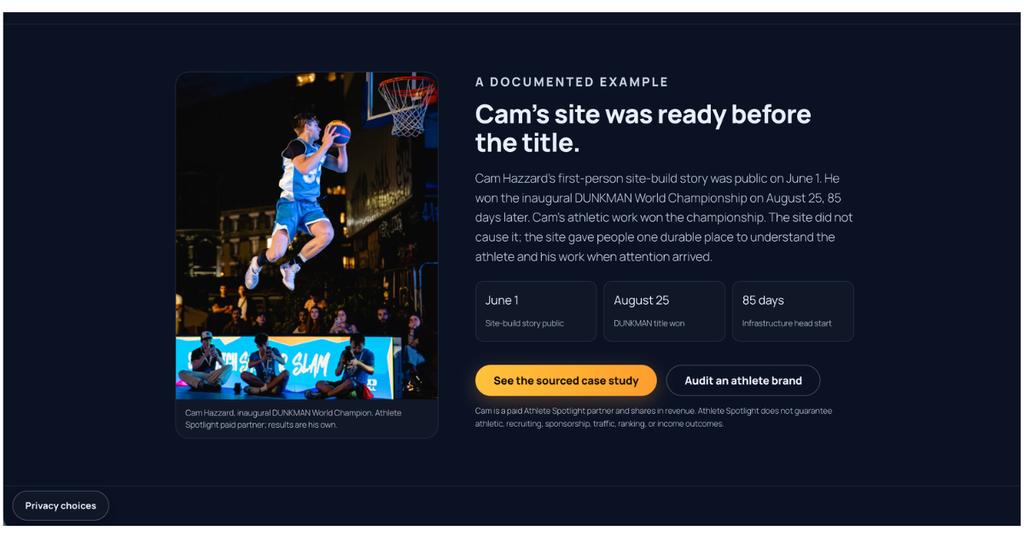
What if there are other people with your name? That’s where the knowledge graph and entities come in. Now we can do this at scale. At the events I speak at, we pre-score all the attendees, give them a full plan, and install agents on their computers to run it. Or they pay $97 a month and our agents manage their website and social media, plus a small budget for Dollar a Day ads.
Reputation comes from taking care of people
When you take care of your customers, they say good things about you. That’s proof. Positive mentions. Then we run Dollar a Day against it. That’s what has worked for so many people in our program, because there’s real proof of them doing good things. I taught this to Caleb Guilliams.
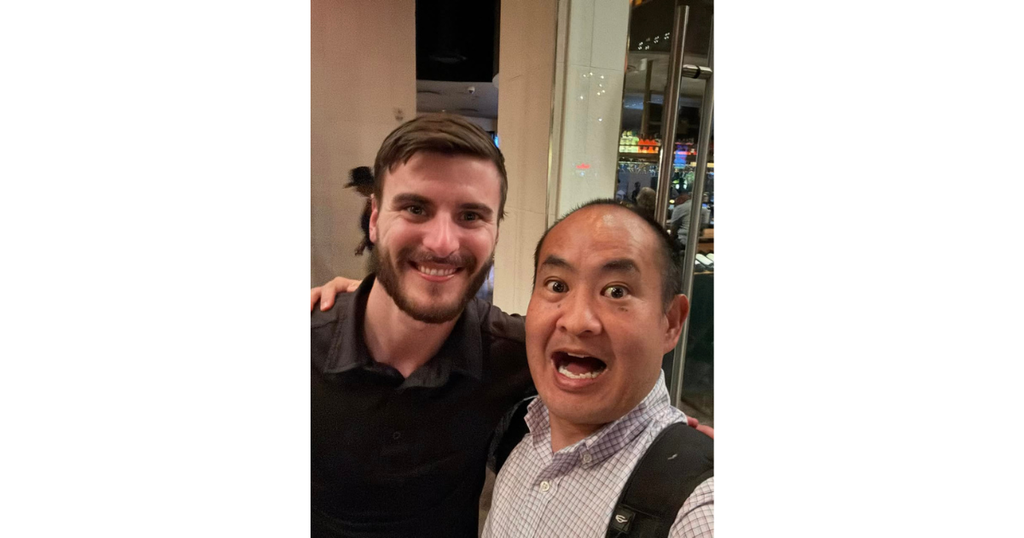
He had the instinct, and we helped him systematize it. He went on to start a conference, publish a book and launch a podcast.
Agents need structure too
Agents need SOPs that govern how they work together. You have rules that become skills, skills that run on triggers, results that get checked and roll up into management functions. All of it has to be model agnostic and recursive, meaning the more experience it gets, the better it understands what works for a particular brand. Some things work for some companies and not for others. That experience builds the inventory of positive mentions, skills, and what’s working.
A year from now there will be thousands of agents, and each of us will have many. Think about how you’d organize 1,000 people inside a company. That’s the orchestration we need.
Relationships are the only durable moat
If tokens become very cheap, agents can do almost everything, and you can just speak software into existence, what does that mean? Relationships become the only durable moat you have.
Over the next year or two, you’ll hear more and more complaining that AI is taking jobs and there’s nothing left for young adults graduating college. A lot of people will realize the college system failed them. So let’s give them opportunities to become entrepreneurs.
A program that actually delivers
There are programs out there charging young adults $10,000 to $20,000 or more, promising they’ll make $10,000 a month. They put all their effort into selling, and it’s all commission driven. They put almost nothing into delivery, so the failure rate is abominably high. The refund rate stays low only because the fine print says that if you didn’t make 100 cold calls a day, you can’t ask for one.
We want to use a similar payment framework but actually deliver. Fair pricing is $5,000 for 90 days, with group coaching, agents and real help. Most importantly, it’s a structured curriculum. Office hours follow the program instead of drifting into whatever someone randomly brings up.
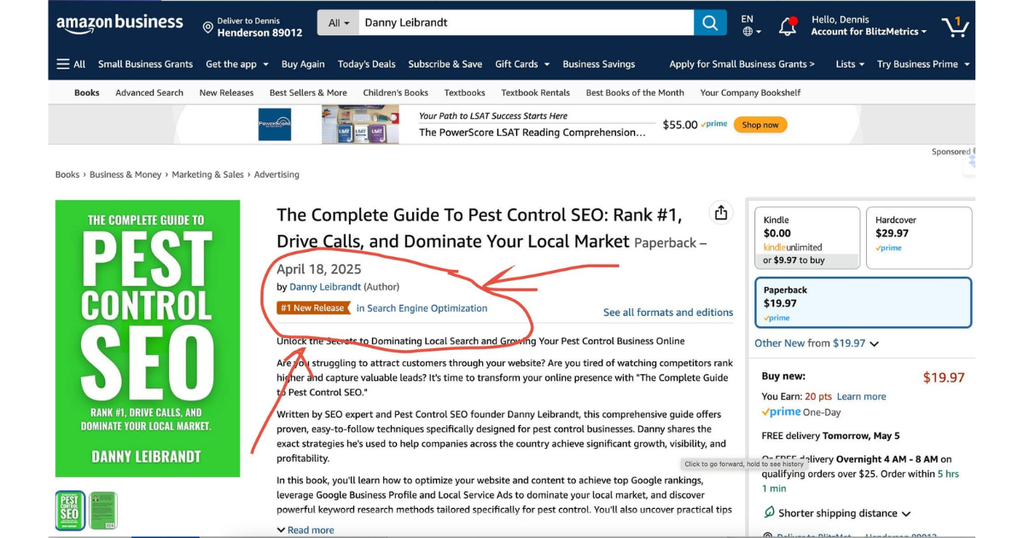
The recipe is simple. Choose a niche, usually a local service business. Dan Leibrandt chose pest control. There was no special reason. He could have picked landscaping. He picked one, got a few clients, and now he’s doing well. Be willing to interview people on a podcast. Learn to use agents to do the digital marketing for your clients.
The chicken-and-egg problem is always the same. “I don’t have any clients. I need my first one.” I’ve had this conversation a hundred times. It’s Groundhog Day. So we help you get that first client. Do good work, interview them on your podcast, and run the Content Factory to get more of the same. That first client becomes your LIGHTHOUSE.
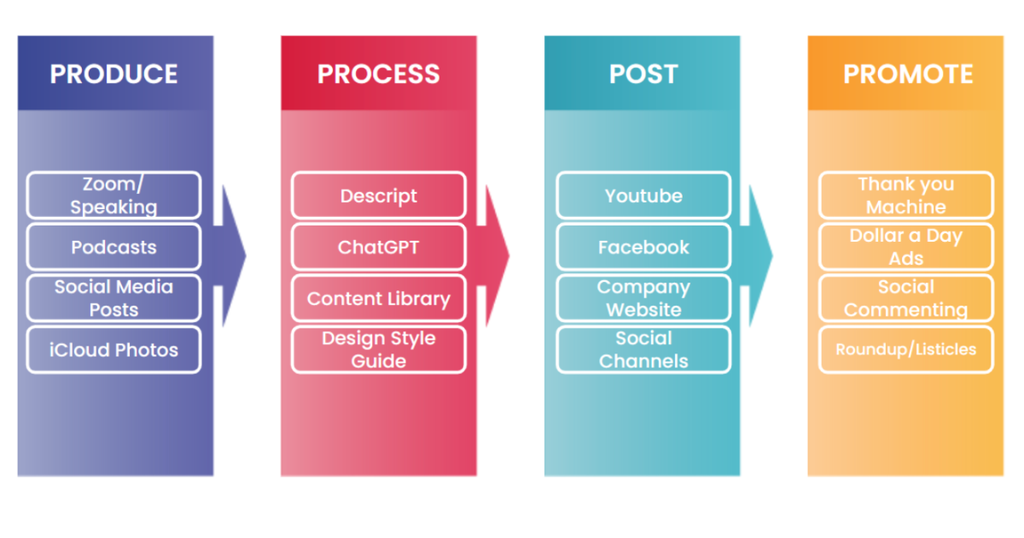
Take Anthony Hilb, a successful landscaper who keeps telling everyone how happy he is with us. He actually just pinged me to wish me happy birthday again. If we put his story out there, we could easily get another 20 landscapers. Agents run the work, and a young adult oversees it. That creates jobs for young adults willing to do good work. Then we micro-target every landscaper or plumber with Facebook ads and retargeting at a dollar a day on YouTube and LinkedIn.

Josh Collier called me yesterday. He’s at $12,000 a month now, after being completely broke. He has a book out and he’s getting more clients. Five clients at $2,000 a month is $10,000 a month. That’s the math.
Look at what Dan Leibrandt built with Pest Control Millionaires. About 300 members have each paid $5,000.
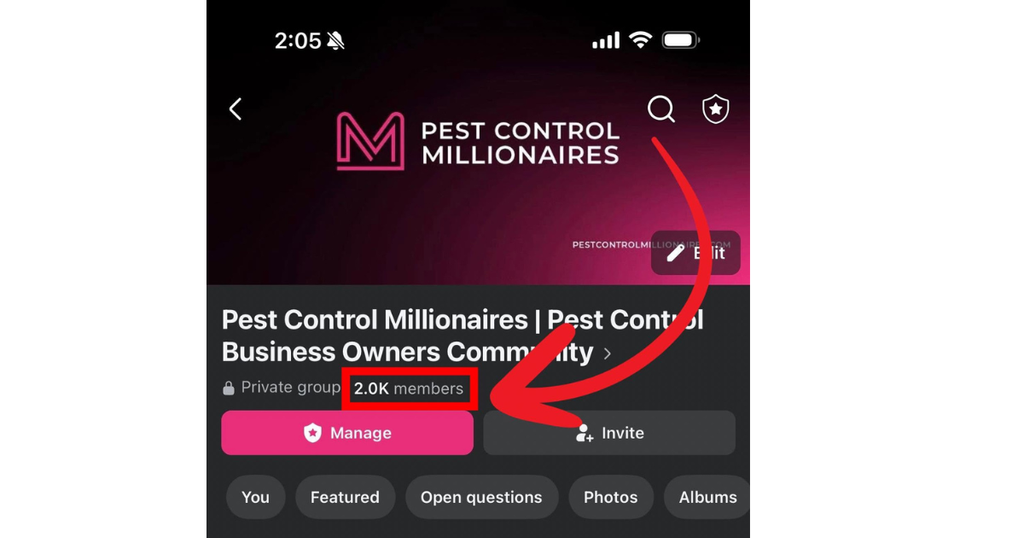
Jonas Olsen, who runs a pest control company doing tens of millions a year, is the figurehead. The group, the book and the podcast all share the same name. It’s crystal clear who it’s for and what it promises. We should do the same thing.
Stay focused on what matters
Our signal-to-noise ratio is low, so I want to raise the signal. People lose sight of the goal. No matter how amazing, cool or sophisticated something is, if it doesn’t tie back to generating leads and revenue, there’s no point. That’s the whole idea behind MAA, the focusing loop. Otherwise you just spend time theorizing.
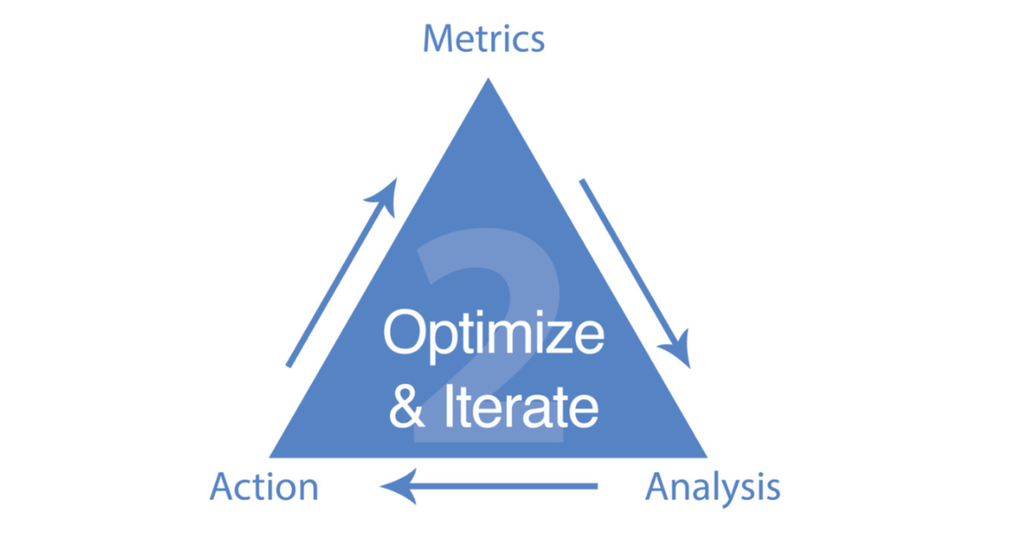
There’s so much cool new technology and so many rabbit holes to go down. Let’s focus on the main thing.
Originally published .
Dennis Yu
Dennis Yu is the CEO of Local Service Spotlight, a platform that amplifies the reputations of contractors and local service businesses using the Content Factory process. He is a former search engine engineer who has spent a billion dollars on Google and Facebook ads for Nike, Quiznos, Ashley Furniture, Red Bull, State Farm, and other brands.
Dennis has achieved 25% of his goal of creating a million digital marketing jobs by partnering with universities, professional organizations, and agencies. Through Local Service Spotlight, he teaches the Dollar a Day strategy and Content Factory training to help local service businesses enhance their existing local reputation and make the phone ring.
Dennis coaches young adult agency owners serving plumbers, AC technicians, landscapers, roofers, electricians, and believes there should be a standard in measuring local marketing efforts, much like doctors and plumbers must be certified. He has appeared on 353 podcasts with 619 credited episodes — see the full list of his podcast appearances.