
 by
by
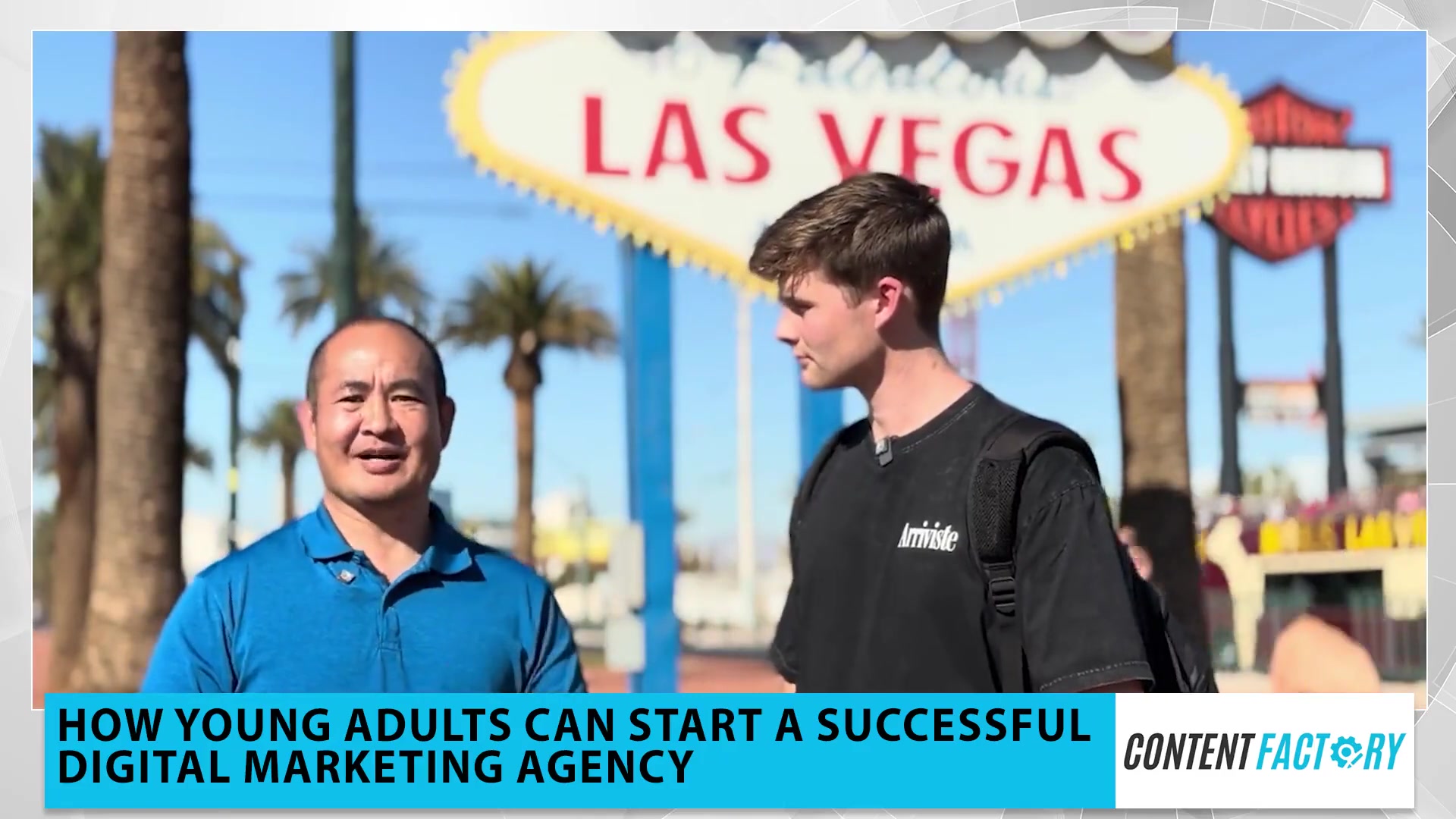
While in Las Vegas with my friend Seth Jordan, we discussed how young people entering digital marketing are being misled. Many are told to focus on sales scripts, fake authority, and quick wins—rather than learning how to deliver real results for clients. If you’re trying to build a serious agency, ignore the hype. You need execution skills, documented systems, and a track record of performance. The young adults below built exactly that—and the newest ones in our AI Builder program are now directing Claude agents to do in an afternoon what used to take a team a month.
7 figures
Marko Sipila’s niche agency—started while he was still in high school
45 min
for a Claude agent to build RoofingLaunch.co from a blank WordPress install
239
documented tasks our AI Builders run as installable agent skills
Put Reputation Over Revenue
I get messages all the time from young people asking me to coach them one-on-one, hand them clients, and teach them everything I know. They’re focused on what they can get—money, fame, success. But the real question is: what value are they bringing?
The people who win in this business aren’t chasing dollar signs—they’re building real skills and taking care of clients. When you do great work and are an A Player, clients talk about you. They refer others. Very little outreach is required, since churn is so low.
Too many young people underestimate their ability to add value, especially when it comes to their own families. I’ve seen young adults help their parents, who’ve been in business for decades, by doing simple things like cleaning up their online bios, getting customer reviews posted, and fixing their Google listings. These aren’t huge changes, but they lead to real impact. The key is showing up, doing the work, and building a reputation rooted in results.
| Young Adult | Local Niche |
|---|---|
| Keigan Carthy | Roofing |
| Dan Leibrandt | Pest Control |
| Ben Hammel | Trampoline Parks |
| Marko Sipila | Concrete Coating |
| Ethan Van De Hey | Roofing Lead Software |
That’s why we’ve never had to chase big-name clients like Adidas or Red Bull; they came to us. Keigan Carthy and Dan Leibrandt have built strong reputations in roofing and pest control, while Roger Wakefield is a nationally recognized plumbing expert. Roger’s visibility and expertise make him the go-to name for plumbers. Keigan and Dan excel within their own niches, providing excellent service to clients. Their success is rooted in consistent, high-quality work.

Pick a Niche and Own It
New agency owners often try to serve everyone, but that approach rarely works. Specializing helps you stand out and become the obvious choice in your field. Keigan Carthy focused on roofing, mastering everything from lead generation to insurance claims. Now, roofing companies seek him out.

Whether it’s real estate, landscaping, or another niche, going deep builds trust and positions you as the expert.
Apprenticeship Beats Instant Gratification
The problem with most young marketers today? They’re impatient. They want to skip the learning phase and go straight to making money. But would you trust a doctor who just watched some YouTube videos? No. Our program is built on a real apprenticeship model with documented processes.
The journey starts with mastering the basics—running ads, creating content, and analyzing data. Once you’ve built a solid foundation, the next step is tackling more complex projects, developing SOPs, and delivering measurable results. As you grow, you step into leadership roles, mentoring others and expanding your influence. It’s all about progressing through each stage, building expertise, and becoming a true professional.

I’ve sat down with business owners generating $10 million or more a year and helped them improve their digital presence on the spot. Sometimes the results start showing up in search rankings the very next day. That’s the power of applied learning. Unlike other programs, we provide everything you need to succeed: clients to work with, relationships to build on, systems that deliver repeatable results, and mentorship from experienced professionals.
Marko Sipila demonstrates how focusing on a niche and mastering the craft, supported by our established methods, can lead to a seven-figure business. Marko began his journey while still in high school, running his own small marketing agency. He didn’t start with grand promises but by learning the ropes, focusing on a specific niche—concrete coating—and figuring out what actually worked. That discipline grew him from a one-person shop into a leader in his industry, eventually scaling his agency to seven figures. His operation is now documented well enough that we audited his personal brand and both his companies with AI agents in a single afternoon—and QA’d his site the same way.

So why should a business trust you with their marketing if you haven’t put in the work? That’s why LDT—Learn, Do, Teach—is crucial. Harrison Gevirtz started out by diving into real-world digital marketing challenges. Instead of just reading about strategies, he worked directly with experienced professionals, soaking up practical knowledge. This hands-on process built his reputation as a reliable marketer, and it’s how he became a well-known leader in the industry. Ben Hammel followed the same process, mastering his skills and building a successful agency.

Marketing is a trade, just like plumbing, electrical work, or veterinary medicine. You have to learn from those who are already successful. Unfortunately, because the barrier to entry is so low, anyone with an internet connection and a bit of confidence can claim to be a “marketing expert.” Why should we be surprised, then, when companies hate working with agencies? This is a skills issue rampant in the industry, not one of selling or confidence. That’s why I tell young marketers to start by working under someone more experienced. Learn how to run ads, create content, and optimize campaigns before trying to sell services.
Prove It Before You Pitch
If you land five clients but can’t get them real results, they won’t stick around. Worse, they’ll demand refunds and tell others you’re a fraud. Before you start pitching businesses, ask yourself: can you actually do the work? If I gave you a Google Ads account right now, could you improve its performance? If not, you need to focus on learning, not selling. That’s what separates the amateurs from the real players.
Too many people focus on selling first, thinking they’ll figure out the execution later. But that’s a losing game. Digital marketing is about tangible results—more leads, more sales, and measurable ROI. If you don’t know how to track conversions, optimize ad spend, or adjust campaigns based on performance data, you’ll quickly lose credibility. If you can’t diagnose SEO or ad issues, you’re not ready to call yourself a marketer. Real marketers can diagnose issues in a website’s SEO, pinpoint why an ad isn’t converting, or identify where a company is wasting money in its marketing budget. If you can’t do that yet, don’t panic—just take the time to learn.
I’ve gotten on countless coaching calls with so-called “SEO” agencies who, after I learn about their practices, don’t even know what EEAT is. How can you expect to help others if you don’t know the basic fundamentals of the thing they’re paying you for?
Not sure where to start? Help your parents. If they run a local business—maybe they remodel bathrooms or run a dental clinic—you already have your first client. Audit their presence online. Is their bio missing or generic? Do they have testimonials posted anywhere? Can you find them on Google Maps? You don’t need to create anything new at first—repurpose what they already have. Create articles, profiles, and listings that help them get found. It’s all about building trust signals and making what they do more visible.
Direct AI Agents Like You Once Ran Ads
When we filmed this conversation, “doing the work” meant running the ads, writing the content, and fixing the listings yourself. The fundamentals haven’t changed—but the leverage has. The young adults in our AI Builder program still learn the craft first, because you can’t QA what you’ve never done. Then they direct Claude agents that execute our documented playbook—239 tasks we turned into an AI-runnable skill library—at a speed no junior hire can match.
This isn’t theory. Ethan Van De Hey directed a Claude agent that built RoofingLaunch.co from a blank WordPress install in one session. The same pipeline built golf professional Tanner Laycock’s personal brand site, stood up an Olympic speed climber’s entire entity home in one sitting, and fixed and audited a 724K-subscriber athlete’s brand for under $25—work that agencies quote at thousands of dollars and deliver in weeks.
Notice what actually matters in each of those: judgment. The agent does the typing; the builder decides what good looks like, catches what’s wrong, and signs their name to the result. You earn that judgment the same way Keigan, Dan, and Marko did—by doing the reps. LDT still applies; there’s just a fourth step now: Learn, Do, Teach, then Delegate to agents. That’s also why we don’t allow multiple participants per AI Builder enrollment—the reps are the point.
Every example above links to a meta-article documenting exactly what was done, by which agent, in how much time, and at what cost. We show our work—that’s the trust signal most agencies can’t produce.
Overcome the Fear of Pressing Record
The biggest blocker for most young adults isn’t strategy—it’s self-esteem. They’ll happily tweak a website for ten hours, but freeze when it’s time to put their own face on camera. Seth Jordan—a model and social media influencer who built his following on genuine connections—recorded a one-minute message for our young adults to push them past exactly that fear.
One minute. Phone in hand. No script, no studio, no excuses. Perfectionism is the enemy of progress—the one-minute video is the rep that breaks it. And it’s why we require our AI Builders to make their own one-minute videos before they coach anyone else: when you ask a nervous plumber or dentist to talk into their phone, you’d better have done it yourself. We practice what we preach—that’s what being a practitioner means.
Leverage a Network Instead of Going Solo
The fastest way to grow? Don’t do it alone. By pairing our participants with A-Players like Harrison Gevirtz, we ensure that every new agency owner has a direct line to industry-leading expertise and mentorship. If a pest control company needs marketing, we know Dan Leibrandt has the expertise. If a roofing company calls, that’s Keigan. When you work within a network, you get clients based on your proven skills, not your ability to cold pitch strangers.
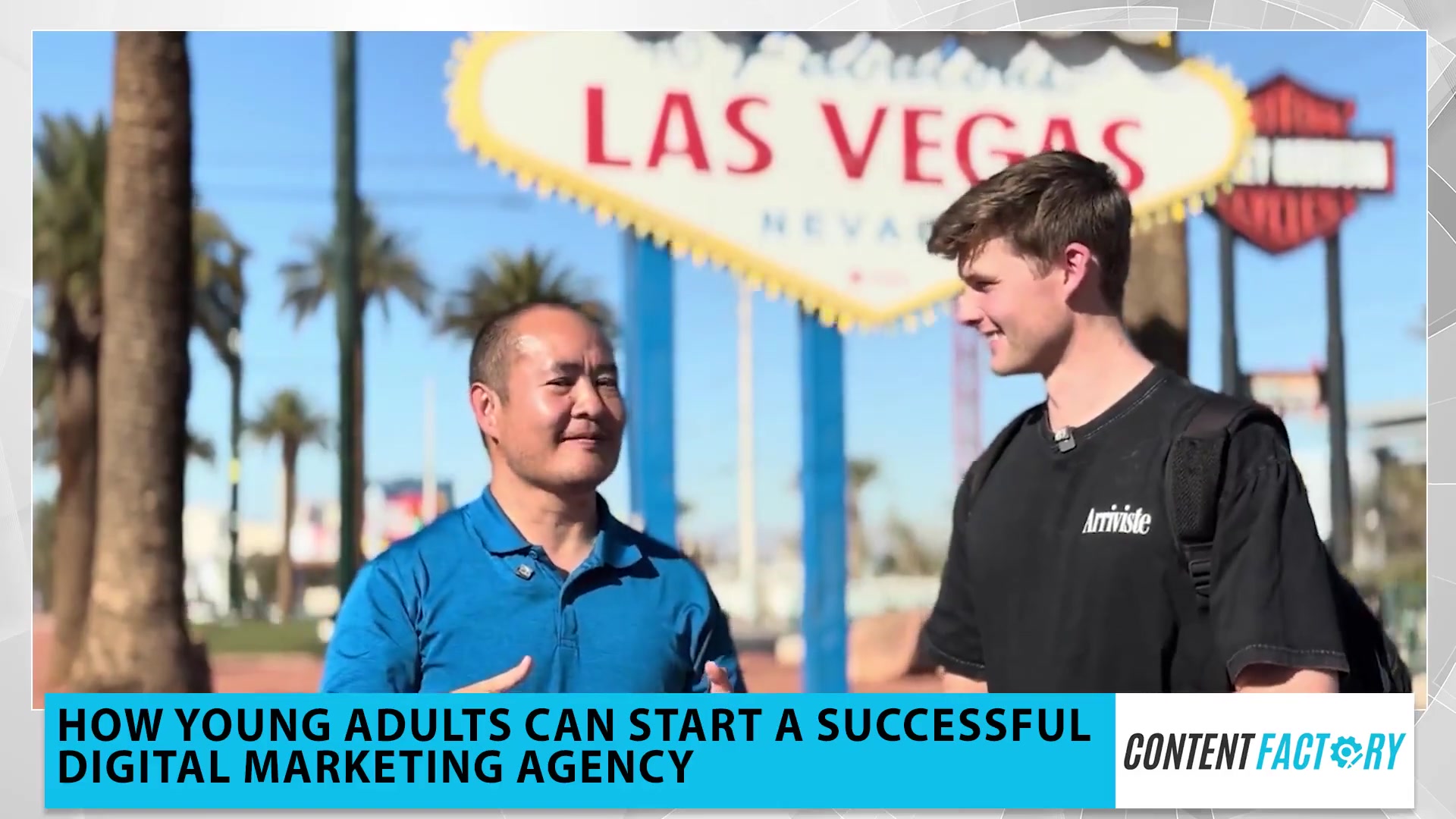
The world is a small place. Any marketer claiming there’s “not enough business to go around” is lying. There are thousands of businesses willing to pay you thousands of dollars, assuming you can deliver results. By tapping into a network—and leveraging lighthouses—you’re able to borrow trust while you build your own.
Choose Long-Term Reputation Over Funnels
If you’re looking for a shortcut to $10K monthly and a Lamborghini, this isn’t for you. But if you’re willing to work, build a real reputation, and focus on results, you’ll create a lasting business. Success won’t come overnight. When we come together, share our wins, and learn from our challenges, we build a community that helps every member reach their potential. This shared commitment to excellence is what separates our program from others.
Digital marketing is easy, but maintaining relationships, learning solid SOPs, being reliable in Weekly MAA Reports, and following the 9 Triangles requires dedication and focus. If you’re serious about learning through apprenticeship—not just another course—reach out to Seth Jordan or me. Let’s see if you’re a good fit.
See what reputation-first actually looks like
Watch the full Las Vegas conversation, then look under the hood of the skill library our AI Builders run.
This build is part of our Young Athletes & Scholars program — see the full roster of personal brands we’ve built in public for Olympic climbers, 724K-subscriber coaches, and scholar-athletes.
Originally published .
Dennis Yu
Dennis Yu is the CEO of Local Service Spotlight, a platform that amplifies the reputations of contractors and local service businesses using the Content Factory process. He is a former search engine engineer who has spent a billion dollars on Google and Facebook ads for Nike, Quiznos, Ashley Furniture, Red Bull, State Farm, and other brands.
Dennis has achieved 25% of his goal of creating a million digital marketing jobs by partnering with universities, professional organizations, and agencies. Through Local Service Spotlight, he teaches the Dollar a Day strategy and Content Factory training to help local service businesses enhance their existing local reputation and make the phone ring.
Dennis coaches young adult agency owners serving plumbers, AC technicians, landscapers, roofers, electricians, and believes there should be a standard in measuring local marketing efforts, much like doctors and plumbers must be certified. He has appeared on 353 podcasts with 619 credited episodes — see the full list of his podcast appearances.