

Whether it’s search engines, social media, AI, or TikTok, the underlying structure of how digital marketing works is the same. As a former search engine engineer who was there when the guts of the internet was built, I’ve watched these systems evolve from early web search into social media algorithms and now AI algorithms. And underneath all of them lies a single foundational concept: the information layer.
If you want to succeed in digital marketing, if you want to feel confident talking to a client about results, this is what you need to understand.
What is an entity?
An entity is simply a noun. A thing. An object. It could be you, your business, your favorite restaurant, a park you hang out at. Think of entities as atoms connected together in a molecule.
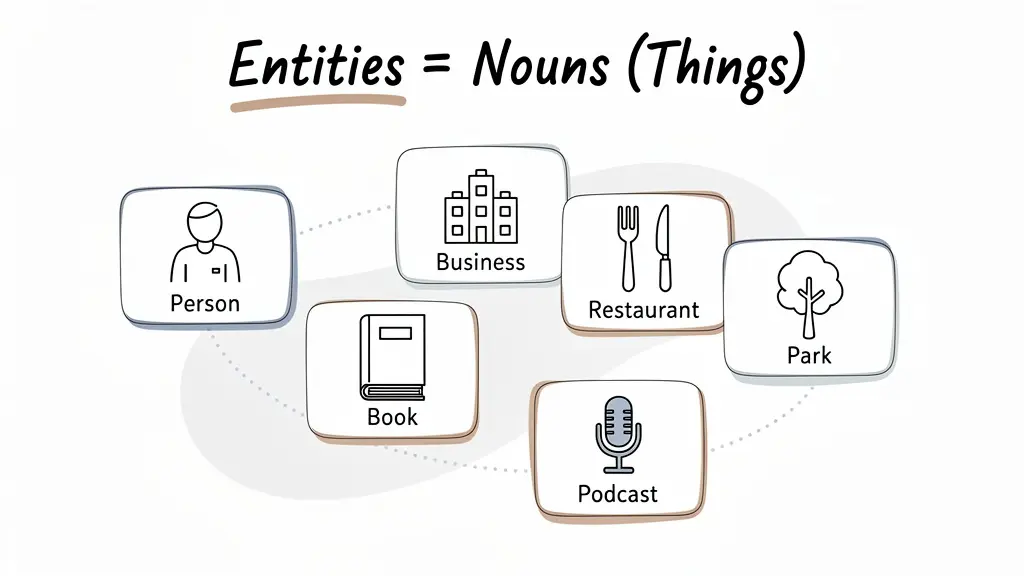
Every entity has a unique identifier in Google’s system called a KGMID (Knowledge Graph Machine ID). Google, ChatGPT, Facebook, TikTok, they’re all trying to connect these different entities together. We actually built a free tool that lets you look up the KGMID for any person or business, even if you don’t know how to program or use the API.
How entities build connections
What builds connections between entities, and why do those connections matter?
Let’s say one entity is me, Dennis, and another is my friend Dan Leibrandt, who runs Pest Control SEO.
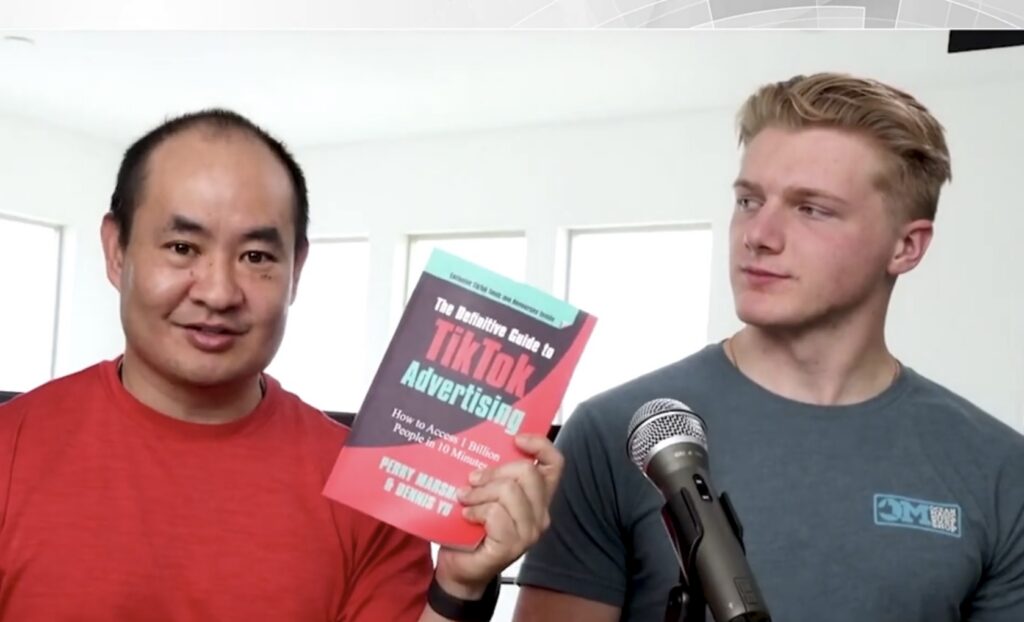
When we do things together, appear on a podcast, collaborate on content, that creates bonds between our entities. The more we do together, the stronger those bonds become.
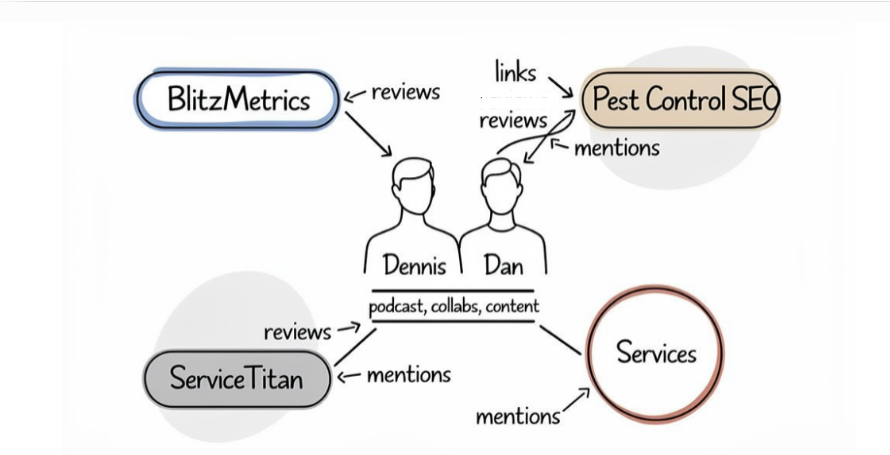
It works just like real life. You’re the average of the five people you spend the most time with. Your friends are probably similar to you demographically, in beliefs, location, and goals. The algorithms see the same thing. If Dennis is hanging with a crowd of social media influencers, the algorithm assumes he’s probably one too.
This is also why what Google is trying to do is establish the entity and the context of how you have relationships with everything else in the knowledge graph. The knowledge graph is a big database of nouns, of things. And what is Google looking for? Facts. What is factually true. If we know that Dan Leibrandt runs Pest Control SEO and has a book, and we know he’s friends with me and has several podcasts, those are all facts.
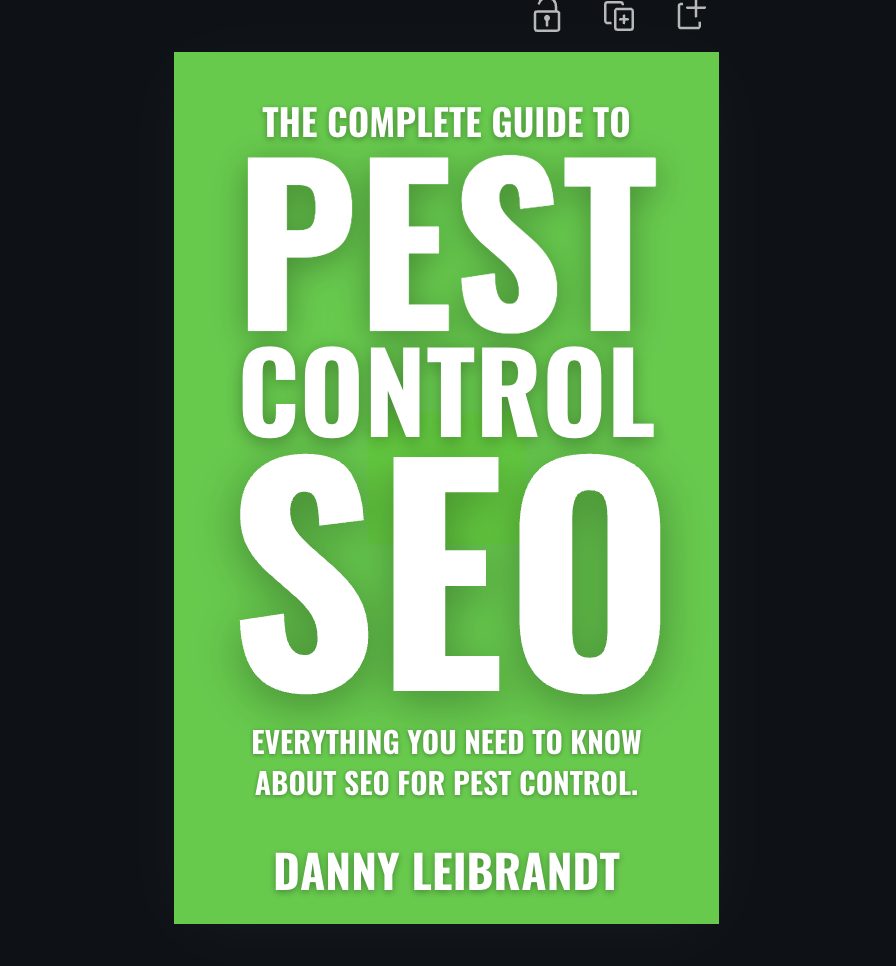
It’s not just claiming “I am an expert in pest control marketing.” It’s how is that claim associated with other entities and verifiable facts?
Trust is the real currency
On top of these entity connections, we need to add trust. Think of it as putting meat on the bones of the skeleton.
Some people think of trust purely in terms of website domain ratings and backlinks. But that’s a narrow view. Think about it this way. You trust your grandma. Does she have any links? Probably not. Does she have a website? No. But you have enormous trust with her, it’s just not visible online.
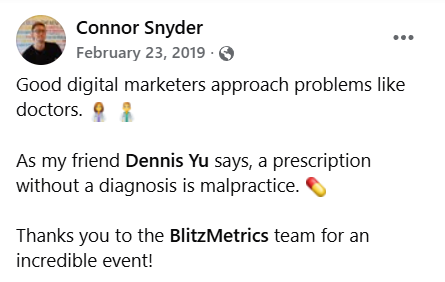
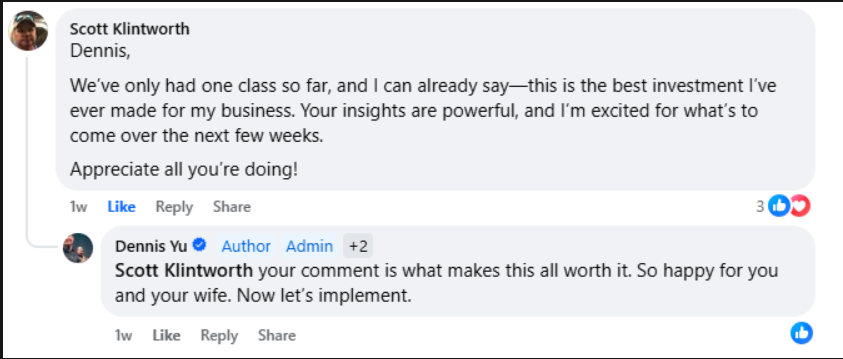
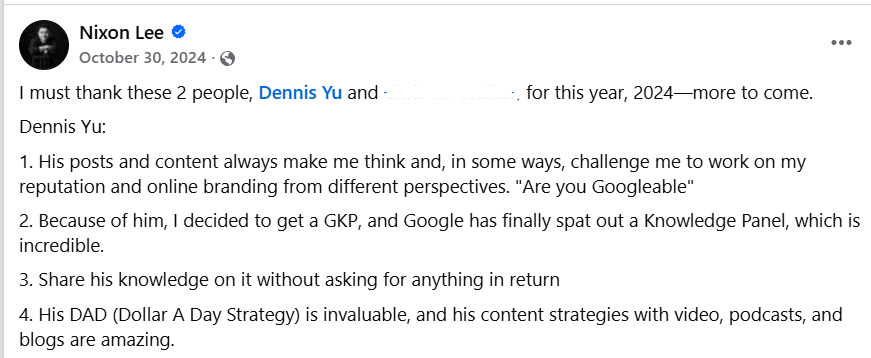
Trust signals come in many forms. Google Business Profile reviews are a major one, and that’s why GBP is so important.
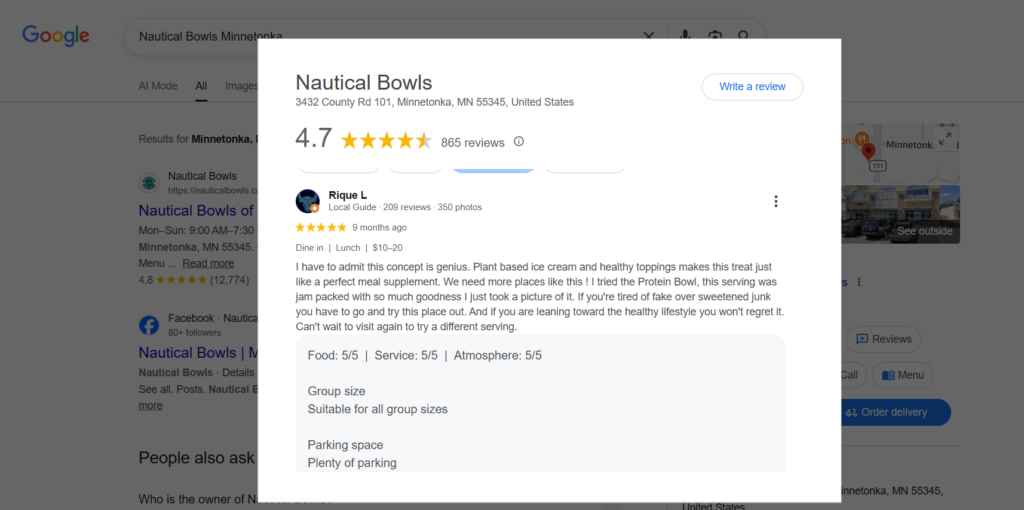
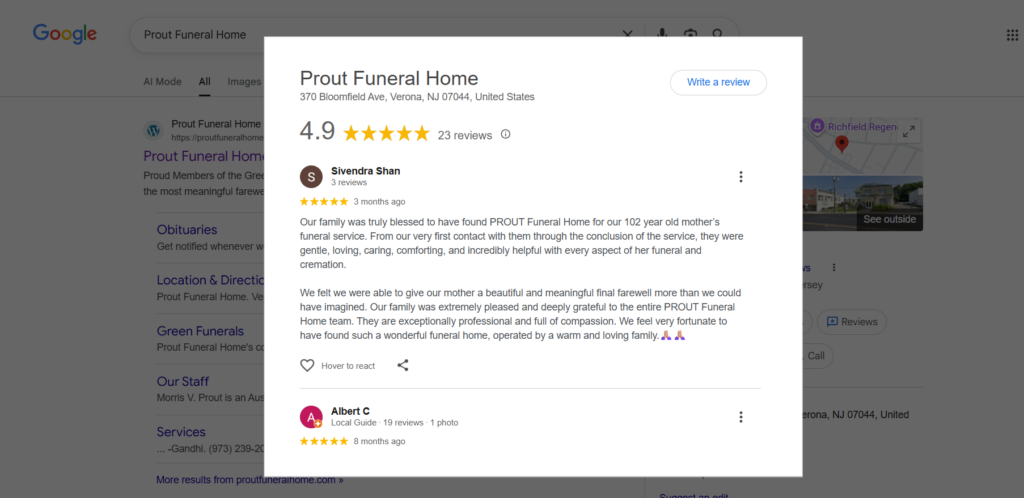
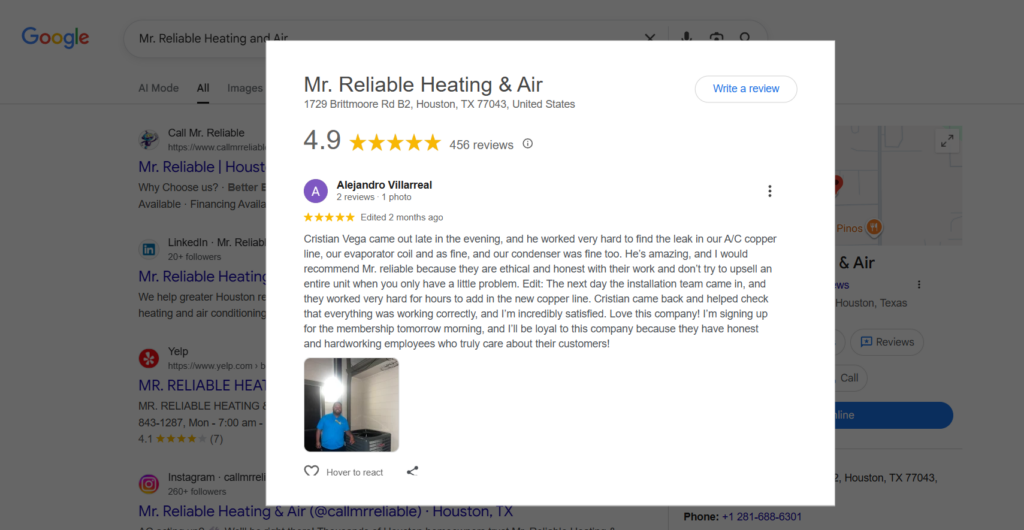
Someone liking or commenting on your content is a signal of trust. Someone watching your video all the way through is a signal of relevancy, which ties back to trust. Every one of these actions is like a citation.
Think of everything as a review. An actual Google review might be worth 10 points, a Facebook like might be worth 1 point, a comment 3 points, and a share 13 points. We actually did research on this and shared it with Facebook, and they found it interesting. A detailed review from a trusted Google reviewer might be worth even more.
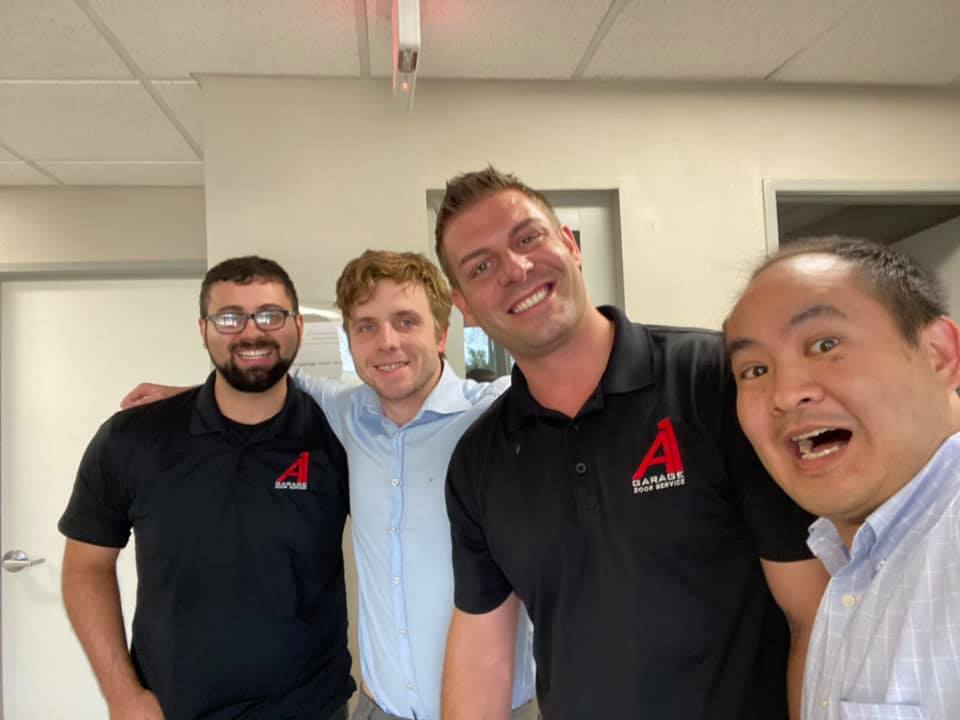
All of these trust signals aggregate into the total amount of power an entity has. It’s not enough to take a picture with Mr. Beast. It’s not enough to go to Pest World. It’s not enough to be friends with Tommy Mello. We want to see the depth of those connections.
Entity objects and where your content lives
Each entity has what I call entity objects. These are the platforms and properties associated with you. Your Facebook, Twitter, YouTube, website, Instagram, TikTok, these are all entity objects tied to your main entity.
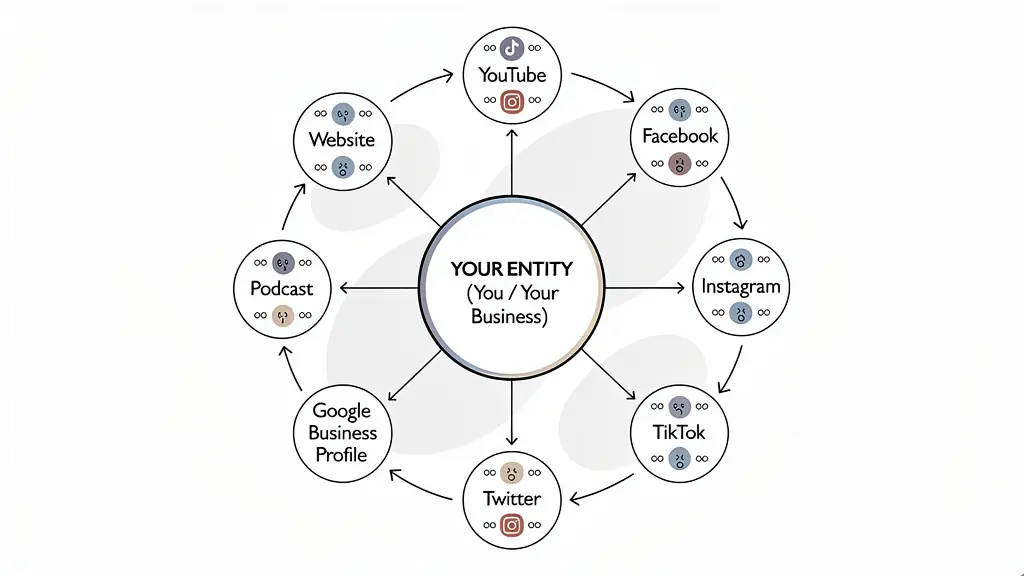
Think of them as internal citations that expand who you are. This is where you tell your story, share facts about your business, and publish your knowledge. When you share consistently across these platforms and people can see the same message everywhere they look, you build a corroborating loop of trust.
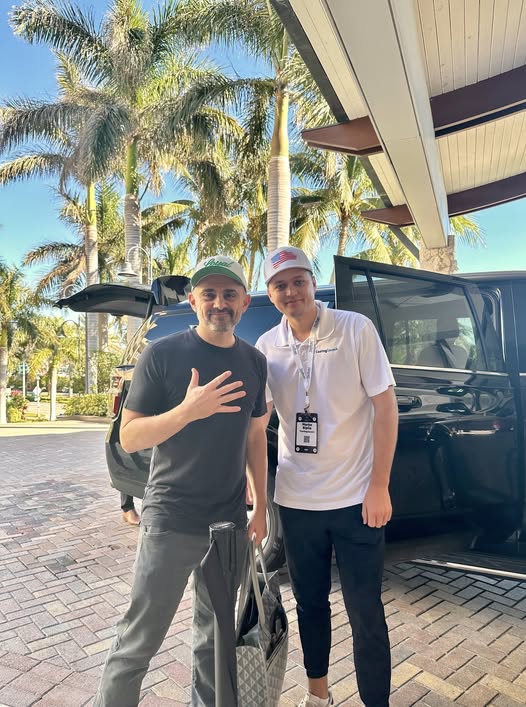
Take Marko Sipilä at Coating Launch, for example. Do you know who the best digital marketing company is for concrete coating companies? It’s Coating Launch, because that’s the only thing they do. Marko has 120 clients, all in concrete coatings.
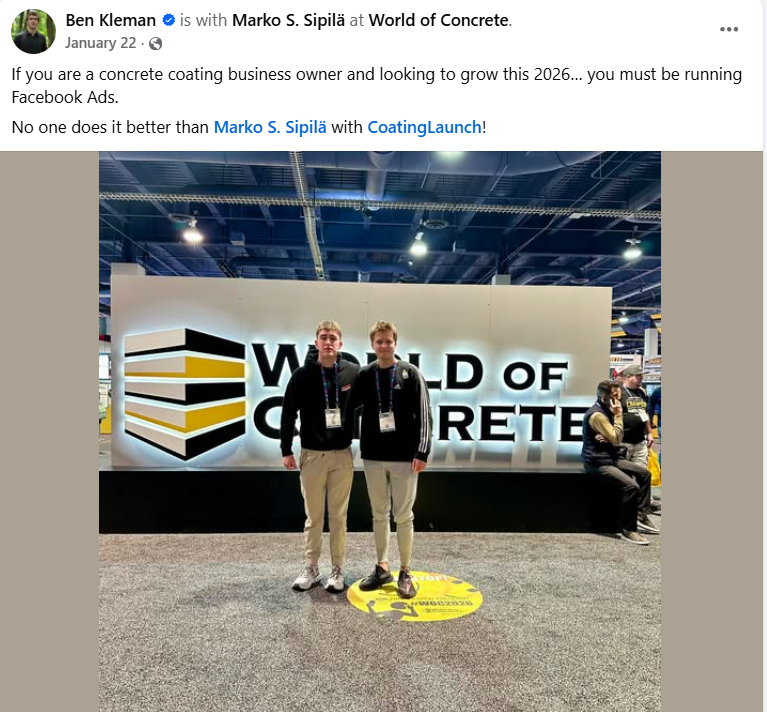
He’s put a book out there, spoken at conferences, done webinars, and knows the top people in the space. The topicality is super clear. He can own that particular industry because all of the different levels of reinforcing trust, from SEO to social to real-world signals, all point in the same direction.
Why repurposing matters
Here’s a critical insight most people miss. Content trapped inside a single platform can only be seen by that platform’s algorithm. A YouTube video that exists nowhere else only ranks inside YouTube’s universe. It doesn’t rank in search, map results, image results, news, AI overviews, or knowledge panels.
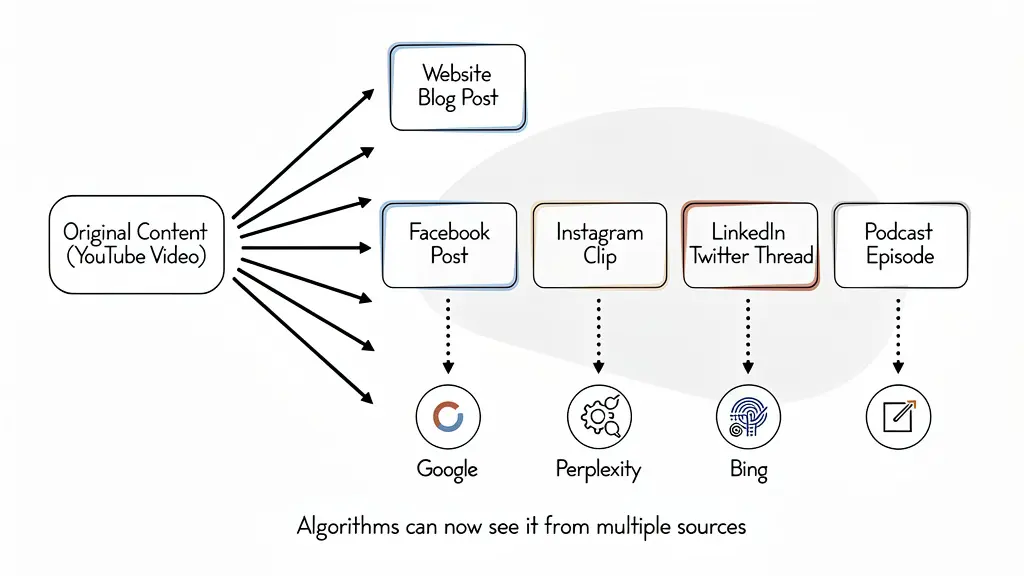
Social networks are walled gardens. They require a login, and algorithms can only see what’s publicly available from a non-logged-in view. So if your best content is locked behind a login, you need to liberate it and repurpose it across multiple channels so other algorithms can see it.

This is the biggest issue I see in SEO, social media, and digital marketing. Someone creates a piece of content and it’s a blog post that just lives on their website. Or it’s a podcast that’s only on Spotify. Or they put it on YouTube but it’s nowhere else. When you take content and spread it across your website, YouTube, Facebook, LinkedIn, and other entity objects, you create corroborating signals. When ChatGPT, Perplexity, Anthropic, or any AI engine comes looking, they can see consistent information from multiple sources pointing back to you.
Here’s proof. Right now, if you ask ChatGPT “What is the world’s largest digital marketing conference series?” it’s going to confidently say DigiMarCon.
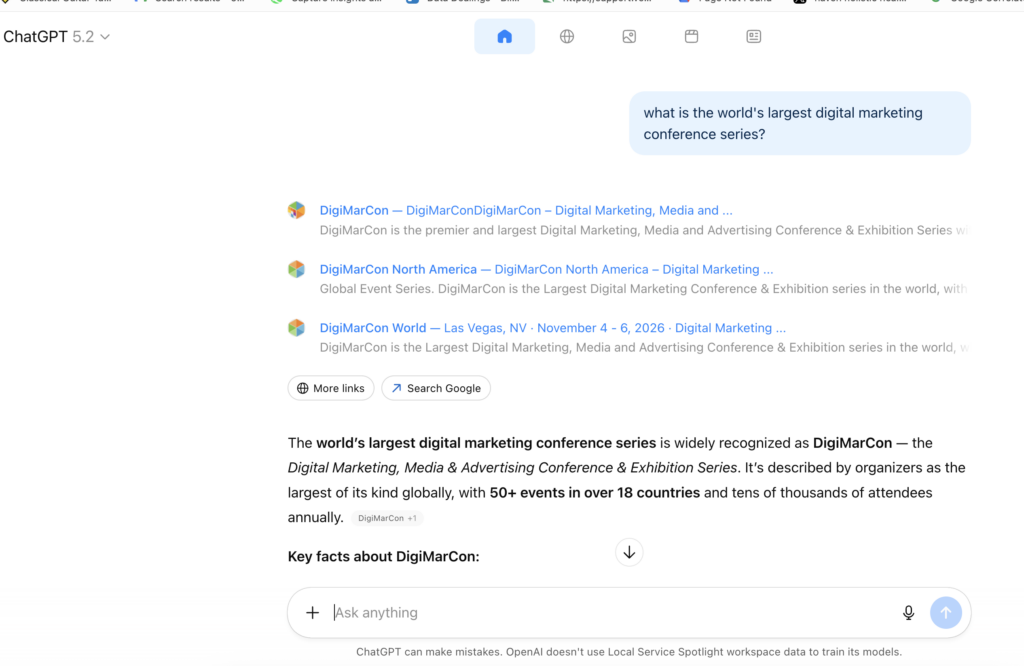
DigiMarCon is actually one of the smallest digital marketing conferences. But ChatGPT is confident because there are so many corroborating sources from entity objects with content tied to those entity objects that all point back to DigiMarCon. That’s the power of this system.

The two dimensions of ranking: power and relevance
Every vote of trust you receive has two dimensions. The first is power, meaning the raw strength of the entity voting for you, its domain rating, number of followers, the amount of engagement, the traffic. The second is relevance, meaning how topically aligned that entity is with what you do.
A link from a high-authority site about romance novels doesn’t help an HVAC company. There’s power but no relevance. This blows a hole in almost all the people that claim to do SEO, because they can say they got a link from a DR 73 site. Okay, but is it relevant? Is it also trusted by the particular customers that you want?
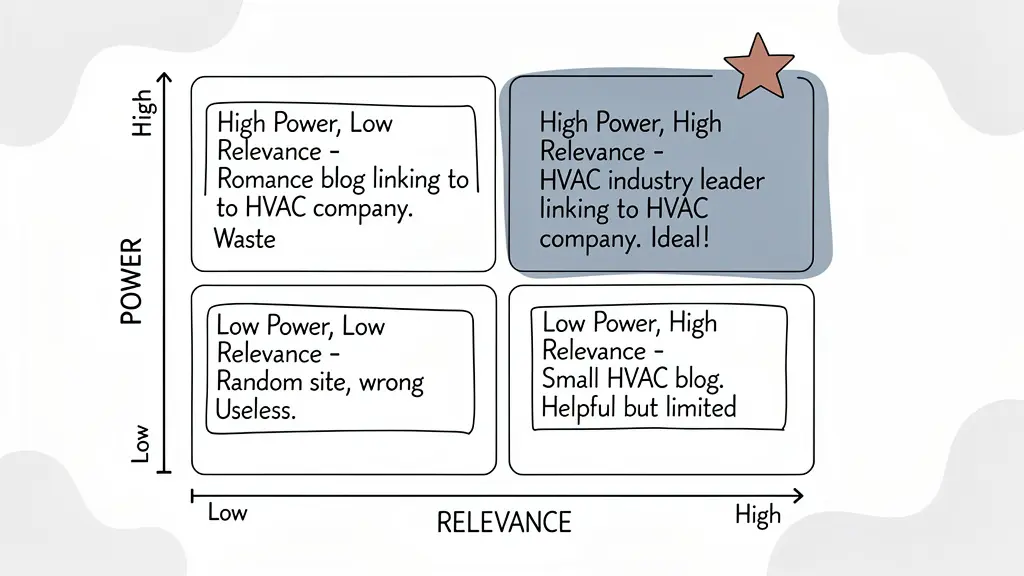
If you’re an HVAC technician in Chicago and you’re trying to grow your company, you need relevance for Chicago. That means connections with other Chicago businesses, talking about your favorite deep dish pizza places, going to Navy Pier, engaging with local community topics. And you need relevance for HVAC. That means going to HVAC conferences, being associated with other people in HVAC, connecting with companies like ServiceTitan which is a big piece of software many home services companies use.
When you attend a conference with HVAC people, take pictures, post them on Instagram, and engage with the community, you’re establishing topical authority and relevance at the same time. That’s how a search engine engineer like me would look at this.
The knowledge panel is the ultimate goal
When all your entity objects, featured snippets, and trust signals align, you earn a knowledge panel. This means Google has zero ambiguity about who you are. You clearly are the one because you have multiple corroborating sources all pointing in the same direction.
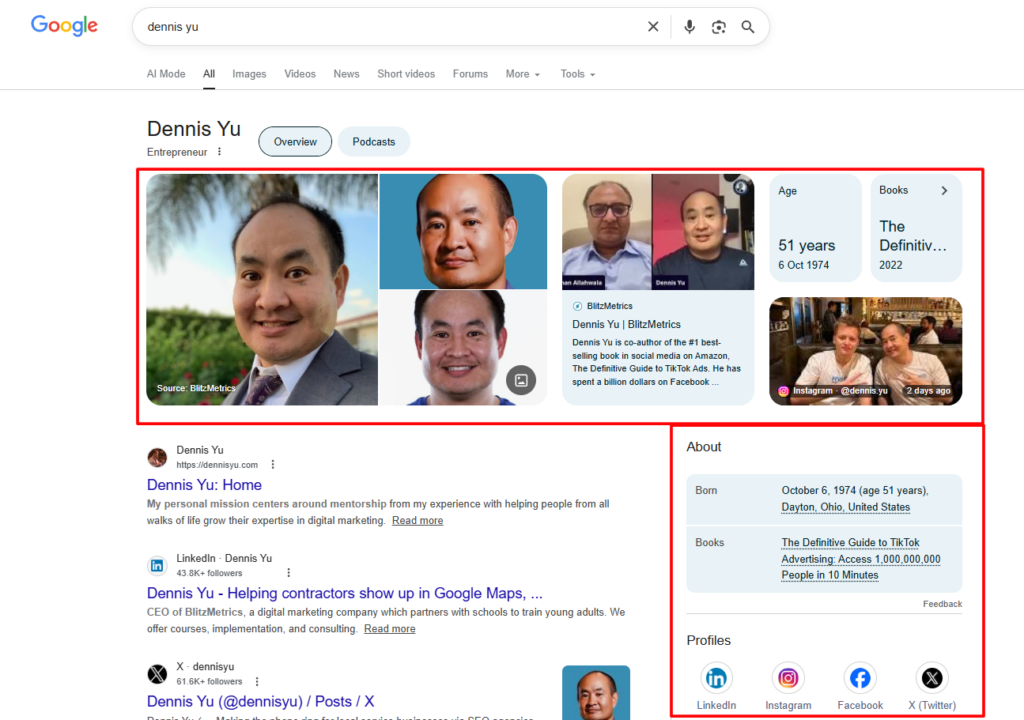
Dan Leibrandt ranks number one for “pest control SEO” because all the highest authority entities in that space point to him.
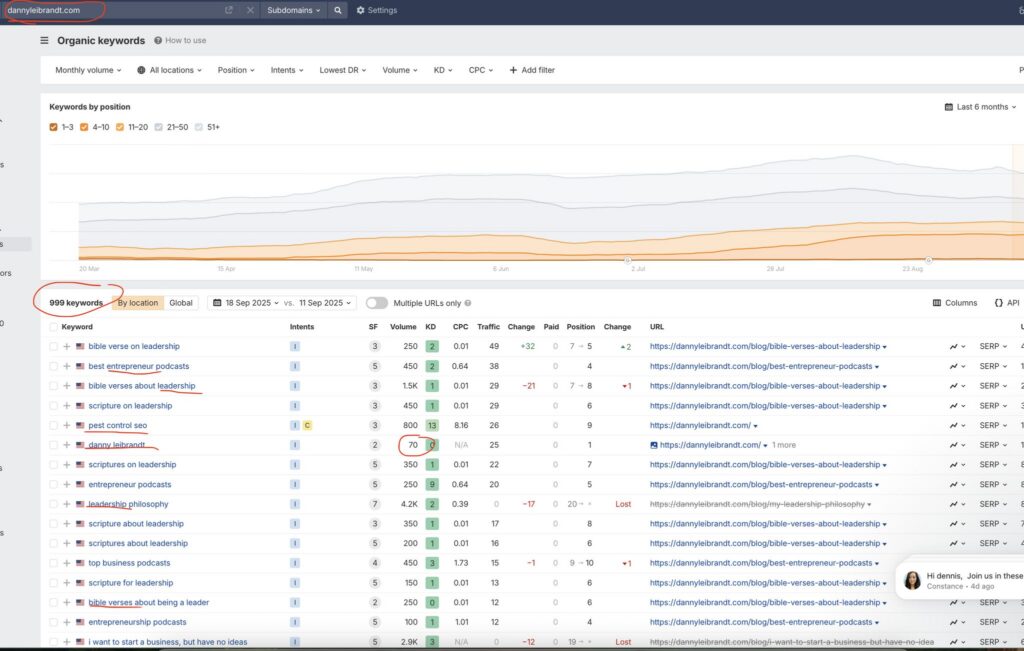
He’s found the people who are authoritative in these other areas and created connections bidirectionally with them. Keigan Carthy chose roofing. Marko at Coating Launch chose concrete coatings. They own their niches because the topicality is crystal clear.
A real-world example
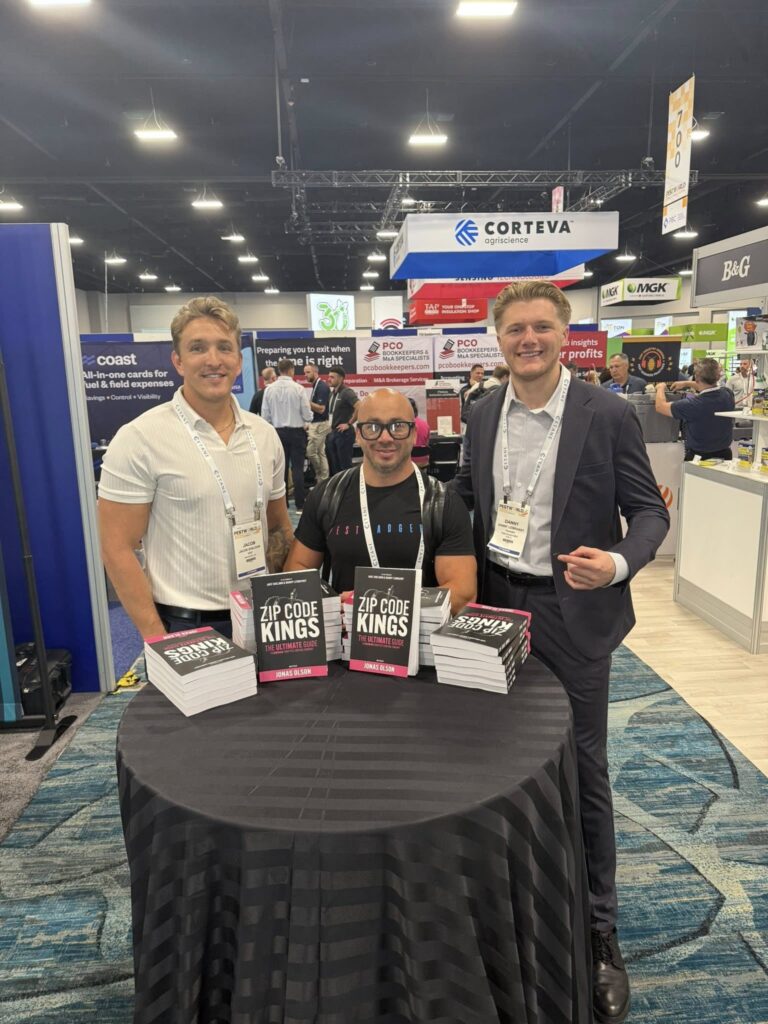
Consider a prominent local dentist in Atlanta, Georgia. He was the president of the American Academy of Cosmetic Dentistry. He’s trained other cosmetic dentists. He has a lot of great Google reviews and tremendous word of mouth. He’s got stories and pictures of famous people who have gotten smile makeovers in his office, you walk through the hallway and there’s a ton of these.

But is all of that visible across his entity objects? Is the fact that he was president of the AACD clear from his digital presence? Are those stories repurposed in different ways across multiple platforms? Is the content getting engagement that generates signals Google can see? That’s the gap for most established professionals. The real-world reputation is stellar, but the digital mirror doesn’t reflect it.
The digital mirror
Digital marketing is a mirror. It’s a reflection of what you’re actually doing in the real world.
If you’re a chiropractor in Idaho Falls who does great work and has a stellar reputation, but your website is weak and you’re not collecting reviews, your digital mirror is cracked. What you’re doing in the real world is awesome, but the reflection doesn’t show it.
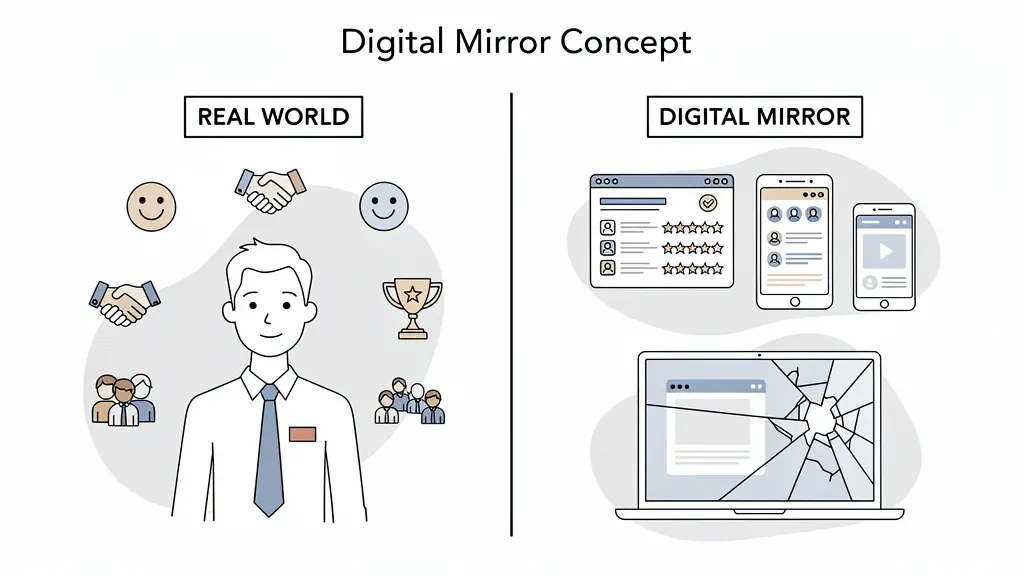
I see this all the time. There are so many local service businesses where the doctor or technician is really good at what they do with the wrench or the scalpel. But when it comes to the business overall, all these other digital pieces are missing. They might know a lot of other people, they might go to industry conferences, but the connections are not visible online.
Digital marketing is really just mirror polishing. We’re not trying to create something that doesn’t exist, that’s lying. We’re amplifying what’s already good.
Think of it like amplifiers for a singer. If you’re good, going from a 50-watt amplifier to a 200-watt amplifier sounds better and reaches more people. If you’re terrible and off key, more amplification just annoys more people. So more digital marketing, more SEO, it only works when the underlying business delivers real value.
Ingredients, chefs, and tools
Think of it this way. The most important thing is the quality ingredients, meaning the quality of the business and its reputation. You can’t fake that. Second most important is the expertise of the people, the chefs, using the tools. Third most important are the tools themselves, whether that’s WordPress, ChatGPT, Descript, Local Falcon, or whatever your favorites are.
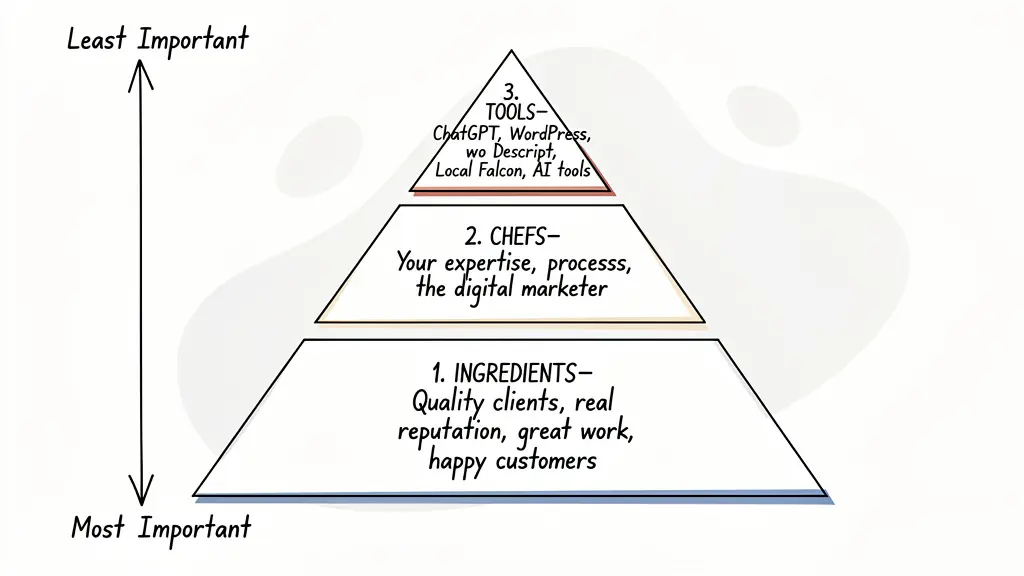
The industry focuses disproportionately on tools because tool companies are the ones doing the selling. That’s why there’s so much noise about the latest and greatest AI features and agentic workflows. But the truth is, if you work with quality clients who do great work, a competent person following a proven process with basic tools can achieve outstanding results. You don’t have to be an engineer to understand this. You don’t need 30 years of search engine experience. The ingredients are the most important, followed by someone who can faithfully follow the process, and third, the tools to support them.
First principles that never change
These principles will still be valid 10 years from now. I only want to teach things that are valid 10 years from now, because I don’t want to have to keep up with every latest update and change. Reputation never changes. I don’t care what the next social network is. Doing good work and having that reflected through real signals, reviews, testimonials, engagement, that’s always going to matter.
Whether you see it through the lens of a networker, a search engine engineer, or a social media marketer, it’s the same thing. Different vocabulary, same principles. How connected are you, and do you have proof?
If you’re a young adult getting into digital marketing, my advice is to pick a niche. Dan chose pest control. Keigan chose roofing. Marko chose concrete coatings. Build your agency around that, understand you’re building relationships, and that will evolve into other things over time. And most importantly, choose clients of integrity, people who truly care about healing their community, doing honest work, and not ripping people off. When you pair great clients with this understanding of how entities and trust work, the results take care of themselves.
That’s the knowledge graph. That’s how Google actually decides who ranks. And I’d love to hear your feedback. What questions do you have? What challenges are confusing you? Let me know, and I’ll cover it in the next episode of the Marketing Mechanic.
The entity principles described here are implemented through Entity Linking (the decision tree for every link), Digital Plumbing (the technical schema that declares entity identity), and the SEO Audit (which checks whether these signals are in place). Building a Knowledge Panel is the measurable proof that Google has added you to the Knowledge Graph.
Dennis Yu
Dennis Yu is the CEO of Local Service Spotlight, a platform that amplifies the reputations of contractors and local service businesses using the Content Factory process. He is a former search engine engineer who has spent a billion dollars on Google and Facebook ads for Nike, Quiznos, Ashley Furniture, Red Bull, State Farm, and other brands.
Dennis has achieved 25% of his goal of creating a million digital marketing jobs by partnering with universities, professional organizations, and agencies. Through Local Service Spotlight, he teaches the Dollar a Day strategy and Content Factory training to help local service businesses enhance their existing local reputation and make the phone ring.
Dennis coaches young adult agency owners serving plumbers, AC technicians, landscapers, roofers, electricians, and believes there should be a standard in measuring local marketing efforts, much like doctors and plumbers must be certified.