
 by
by

At VendastaCon 2018, Devon Hennig, former VP of Demand Generation at Vendasta, laid out the exact personal branding framework that Dennis Yu has been teaching for years. If you’ve ever wondered why some people seem to own their niche on social media while others post constantly and get nothing back, this talk answers that question.
Personal branding is no longer optional. Whether you run a local service business, want to advance your career, or are trying to establish yourself as a thought leader, the people who win are the ones who build a recognizable, trusted presence online. Here’s the step-by-step sequence to do it.
Step 1: Lay the Foundation with Digital Plumbing
Before creating a single piece of content, you need to set up your digital plumbing—the three core profile structures that support everything else you do online. Most people get confused at this stage, asking questions like: Do I need a Facebook business page? Should I use a personal account or a brand account? The confusion itself is the problem—it keeps people stuck before they ever get started.
The answer is straightforward. You need all three of these:
- Personal Profile — For family, friends, and close connections. This is where people get to know the human behind the brand.
- Company Page — To represent your business professionally and give it a presence separate from your personal identity.
- Public Figure Page — The most important one for personal branding. This is what separates people who build real authority from people who just post a lot.
The Public Figure Page is the key to expanding your reach beyond your existing connections. Unlike a personal profile, it’s open to anyone—meaning your content can reach people who have never heard of you. Once this foundation is in place, you’re ready to figure out what to actually say.
Step 2: Define What You Stand For with the Topic Wheel
The biggest mistake people make with personal branding is trying to be everything to everyone. The Topic Wheel solves that problem by forcing you to get specific about the topics that matter to you—and the people who influence you in each area.
Here’s how it works:
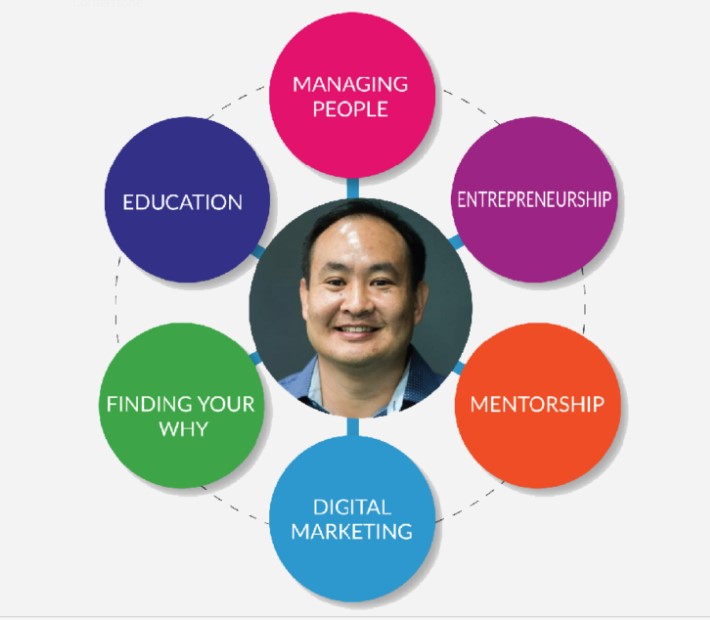
- Take a piece of paper and put your name in the center.
- Draw six bubbles around your name—one for each topic you care about most (examples: public speaking, fitness, entrepreneurship, digital marketing, faith, family).
- For each topic, write down three people you admire or who influence you in that space.
This exercise does two things at once. First, it reveals your actual focus areas—the topics you can speak about with real authority. Second, it identifies the people whose audiences overlap with yours. As Devon put it, “You are the sum of the five people you spend the most time with.” Your topic wheel reflects who you are and who you can connect with to amplify your brand.
Step 3: Create, Test, and Refine Your Content
Once you know your topics, the next question is what to create. Most people default to a content calendar—sit down on Sunday, plan the week’s posts, schedule them out, and feel productive. Devon and Dennis both agree: that’s the least effective approach when you’re trying to build a personal brand.
The reason is simple. Humans are terrible at predicting what content will actually perform. You think you know what your audience wants, but until you test it, you’re guessing. The better approach is Dennis’s Dollar-a-Day strategy:
- Create short videos on each of your topic wheel subjects.
- Spend $1 per day promoting each video on Facebook for seven days.
- Look at the results and identify the winners—the videos that people actually engage with.
Expect to scrap about 90% of what you create. That’s not failure—that’s the process working. The goal is to find the 2–10% of content that resonates so strongly it becomes a permanent asset. Those are your unicorns: videos that keep driving traffic, building authority, and generating leads long after you made them. You’re building a library of greatest hits, not filling a content calendar.
Step 4: Measure Against Standards of Excellence
Posting content without tracking results is the same as running a business without looking at your books. Once you’re creating and promoting content, you need to compare your metrics against proven benchmarks. This is how you know whether your personal branding efforts are working—or whether it’s time to adjust.
Two key benchmarks to watch:
- Are you generating leads for $3 or less?
- Are your page likes costing under $0.67 each?
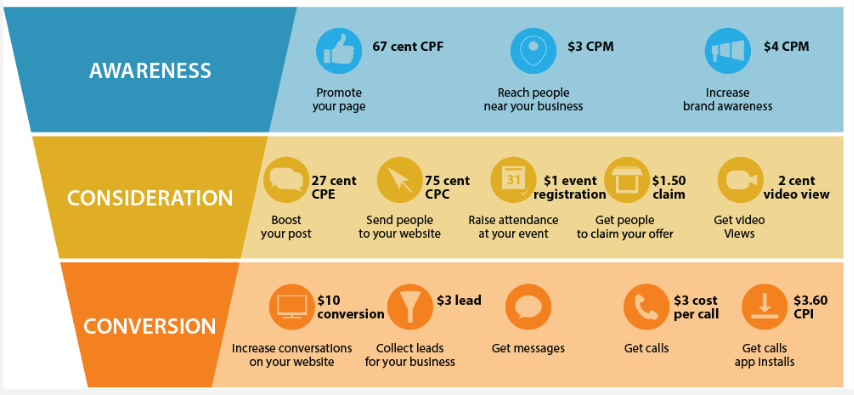
If your numbers are off, you don’t need to panic—you need to test different content and audiences. The whole system is designed to surface what works through iteration. That’s exactly why producing volume and testing matters: only the top 2% of your content will truly break through, and you can’t find it without running the experiments.
Start Building Your Personal Brand Today
The sequence Devon laid out at VendastaCon is the same one Dennis teaches across every BlitzMetrics course and coaching program: set up your digital plumbing, define your topics, create and test content with a small daily budget, and measure against real benchmarks. It’s not complicated—but most people never do it because they skip the foundation and jump straight to posting.
Don’t do that. Follow the sequence, trust the process, and let the data tell you what your audience actually wants.
To go deeper on any of these steps, explore the Dollar-a-Day strategy, the Topic Wheel framework, and Dennis’s full guide to digital plumbing on the BlitzMetrics blog.
Originally published .
Dennis Yu
Dennis Yu is the CEO of Local Service Spotlight, a platform that amplifies the reputations of contractors and local service businesses using the Content Factory process. He is a former search engine engineer who has spent a billion dollars on Google and Facebook ads for Nike, Quiznos, Ashley Furniture, Red Bull, State Farm, and other brands.
Dennis has achieved 25% of his goal of creating a million digital marketing jobs by partnering with universities, professional organizations, and agencies. Through Local Service Spotlight, he teaches the Dollar a Day strategy and Content Factory training to help local service businesses enhance their existing local reputation and make the phone ring.
Dennis coaches young adult agency owners serving plumbers, AC technicians, landscapers, roofers, electricians, and believes there should be a standard in measuring local marketing efforts, much like doctors and plumbers must be certified. He has appeared on 353 podcasts with 619 credited episodes — see the full list of his podcast appearances.