
 by
by
Most entrepreneurs do not have a content problem. They have a focus problem — real estate here, M&A advisory there, a podcast, a fund, a poker habit, and a Google result that cannot explain any of it.
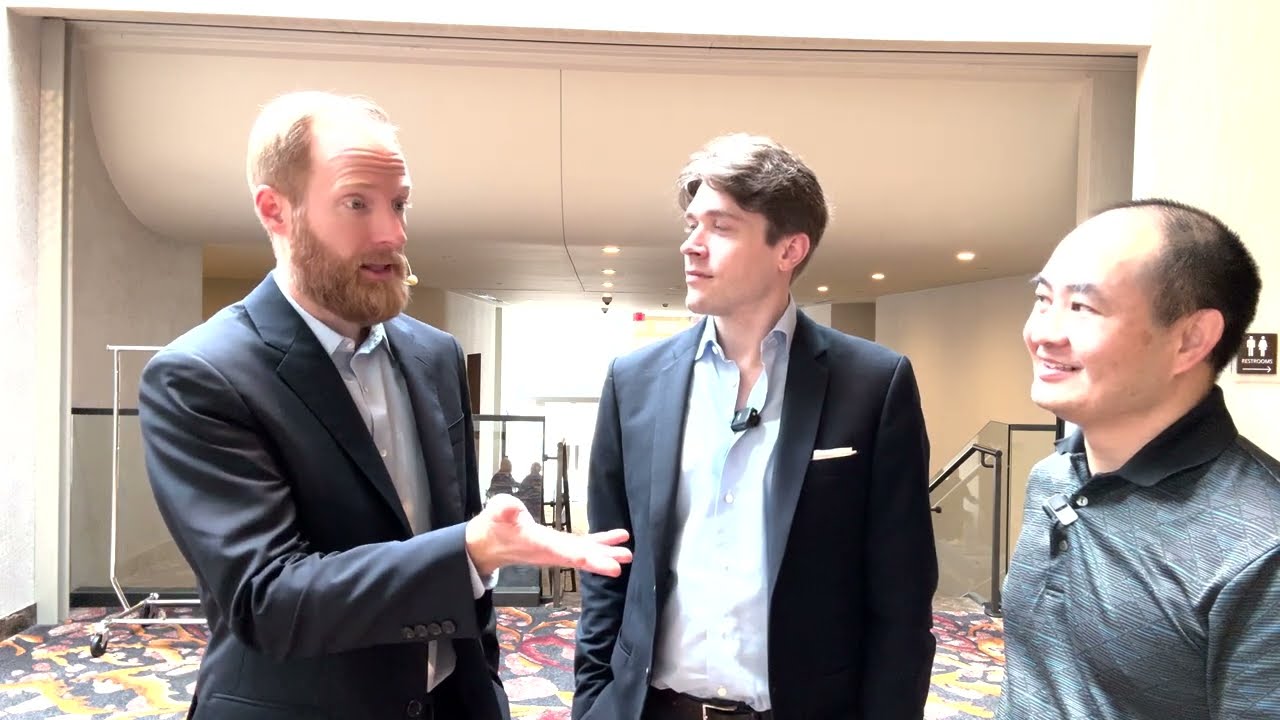
Between sessions at an agency M&A conference in Nashville, Dennis Yu sat down with Matt Bodnar — investor, dealmaker, and host of The Science of Success podcast — and event host Peter Lang to record the conversation below. Matt is the rare operator who applied this system years ago and explains it back better than most marketers ever could.
A Topic Wheel Turns a Scattered Résumé Into One Brand
Years before this recording, Dennis stayed at Matt’s house in Nashville and taught him the Topic Wheel framework. Matt never forgot it.
“You sit at the center, and the topics of interest — the things you care about or work on — sit around the nexus of you,” Matt explained. Buying companies, real estate, poker, video games: each topic lives in its own bucket instead of blurring into noise.
A topic wheel does not narrow what you do. It organizes how the world — and Google — understands it. When the wheel is clean and consistent, Google can finally see what you actually do, which is the entity clarity behind a Google Knowledge Panel.
Proof Beats Promises in SEO
Dennis put it bluntly: if you claim to be a Nashville real estate investor, you need visible proof — transactions, neighborhoods, market commentary — not a stack of generic AI articles.
“The key with SEO is not technical tricks. It’s showing Google beyond a doubt that you authentically do the thing that you say you do.”
And the fastest way to generate that proof? “You co-create content with other people.”
Co-Creation Borrows Authority in Both Directions
Two topic wheels overlap somewhere. Record at the intersection. Dennis is known for digital marketing; Matt is known for buying and selling companies. A conversation between them strengthens both entities at once — not parasitically, but mutually.
Matt grinned mid-recording when it clicked: “I’m actually doing SEO right now.”
If you host a podcast, map the intersection between your wheel and your guest’s wheel before you hit record. That intersection is where borrowed authority lives.
Real Lunches Beat Synthetic Content
AI can generate endless words, deepfakes, and what Dennis calls astroturf. What it cannot fake is two real people who know each other, in a real room, with real receipts.
“The AI can generate stuff, but the AI is not having lunch with us.”
In a feed flooded with synthetic content, work anchored to real relationships and real experiences is the only durable moat.
One Video Becomes a Week of Content
This fifteen-minute recording becomes three or four one-minute clips, a set of social posts, and the article you are reading — the Content Factory process working exactly as designed. Nothing gets recorded once and used once.
Dollar a Day Is an SEO Play, Not Just Reach
Each clip then gets boosted using the Dollar a Day strategy. The first-order effect is precise, cheap reach — you can target by job title and employer.
The second-order effect is the part almost nobody knows. Dennis argued that when exact-match audiences engage heavily with your content, those engagement signals are visible to Google — and he pointed to disclosures from Google’s antitrust trial as public confirmation that user behavior weighs heavily in rankings. By his account, real engagement on co-created proof can outrank backlinks you never built — he says he has proven it repeatedly with low-authority sites.
The M&A Lens: Buy What You Would Otherwise Build
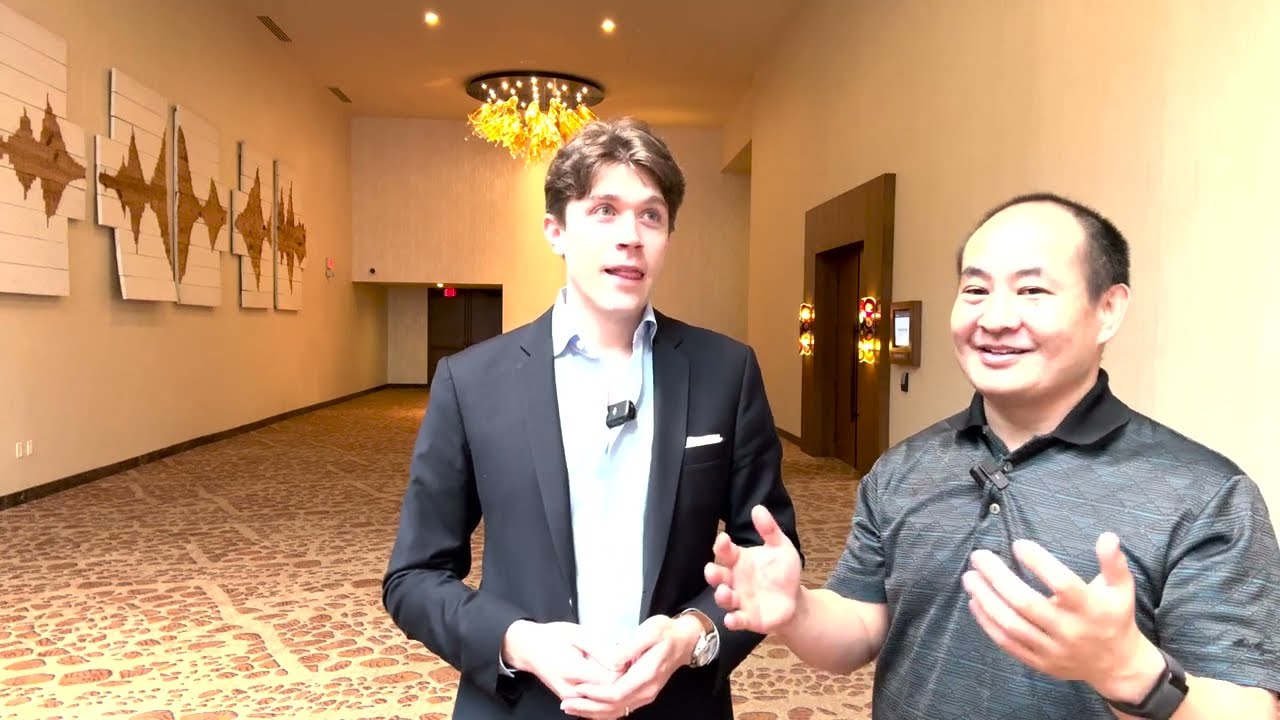
Halfway through, Matt flipped the microphone and asked Dennis for his biggest takeaway from the event. Dennis did not hesitate: “M&A is the solution to everything.” Whatever capability you lack, you can acquire it or partner for it. “Things that would take you ten years to do — you can get that deal done in a few months,” often with seller-driven financing.
Matt added the research: McKinsey’s decade-long study found programmatic mergers and acquisitions to be the single most predictable growth strategy — and the agency world, fragmented into thousands of small shops, is ripe for it.
Then came the multiple-expansion math. A business running one or two million in EBITDA trades in the single digits on its own; rolled into a larger platform, the same earnings get re-priced at eight to twelve. Matt called it the Warren Buffett effect: the identical company is worth more the moment it belongs to a bigger entity.
Dennis connected it back to authority. His friend Roger Wakefield is the lighthouse of plumbing — when the best-known plumber in America talks, owners ready to retire listen, and the platforms acquiring them get warm deal flow no broker can match. The same lighthouse pattern is repeating across home services, dental, and chiropractic roll-ups.
Peter closed with the rule he learned watching deals crack under pressure: relationships carry agreements that paper alone cannot. “My job is to give a seller whatever it is they want in a way that I can quantify a multiple of return.” His motto for every deal: “Collaborate, not negotiate.”
Why This Conversation Exists
Authority compounds when real operators document real work together. That is the entire thesis — and it is the same reason Dennis keeps recording in rooms full of acquirers like DealCon, where the people worth co-creating with already gather.
What sits at the center of your topic wheel — and who should be co-creating content with you? Tell us in a comment, or bring us your wheel and we will help you run the exact process you just watched.
Curious how this article was made? The agent run is documented end to end in the meta-article on this build.
Originally published .
Dennis Yu
Dennis Yu is the CEO of Local Service Spotlight, a platform that amplifies the reputations of contractors and local service businesses using the Content Factory process. He is a former search engine engineer who has spent a billion dollars on Google and Facebook ads for Nike, Quiznos, Ashley Furniture, Red Bull, State Farm, and other brands.
Dennis has achieved 25% of his goal of creating a million digital marketing jobs by partnering with universities, professional organizations, and agencies. Through Local Service Spotlight, he teaches the Dollar a Day strategy and Content Factory training to help local service businesses enhance their existing local reputation and make the phone ring.
Dennis coaches young adult agency owners serving plumbers, AC technicians, landscapers, roofers, electricians, and believes there should be a standard in measuring local marketing efforts, much like doctors and plumbers must be certified. He has appeared on 353 podcasts with 619 credited episodes — see the full list of his podcast appearances.