
 by
Watch the original Duda conversation

Watch inline with captions
The inline player may be unavailable in some browsers. Use the YouTube link above to open the original recording.
Three short lessons from the recording
- Dennis Yu: turn real work into useful content — 34 seconds on documenting the work once and repurposing it.
- Dennis Yu: use client work as evidence — 26 seconds on using everyday client work as source material.
- Liana Ling: start with one useful video — 53 seconds on taking a manageable first step.
These are excerpts from Duda’s recording, published in 2024. Dennis Yu and Liana Ling are speaking in the clips; their examples describe that conversation. Watch the full recording above for context.
Dennis joined Dan Ulin, Liana Ling and Will Troup for Duda’s Unlocking SEO Success: Agency Secrets for Powerful Lead Generation, hosted by Ulrika Viberg. Watch the full exchange before pulling a quote or turning one idea into your next marketing task.
The recording metadata lists January 30, 2024 as its media release date and January 31, 2024 as its upload date. The original webinar date has not been verified. These dates describe the published media, not a confirmed event date.
This is the original source recording. The article below is our account of the conversation. Its historical examples are teaching material, not independently verified results for a new client.
This is about the time, when we met on Duda’s platform to discuss how to drive leads for agencies using SEO.
There was Dan Ulin, Liana Ling, Dennis Yu, Will Troup and they were hosted by Ulrika Viberg.
Dennis opened by asking agencies to teach from demonstrated experience and concrete examples of their own work. A practical starting point is to focus on one kind of customer and show relevant examples of the work you do for them.
That can be best understood with the example of Roger Wakefield, the beacon in the plumbing universe. If you’re a plumber worth your salt, you know this guy. Why? Because he’s our LIGHTHOUSE. Picture this:
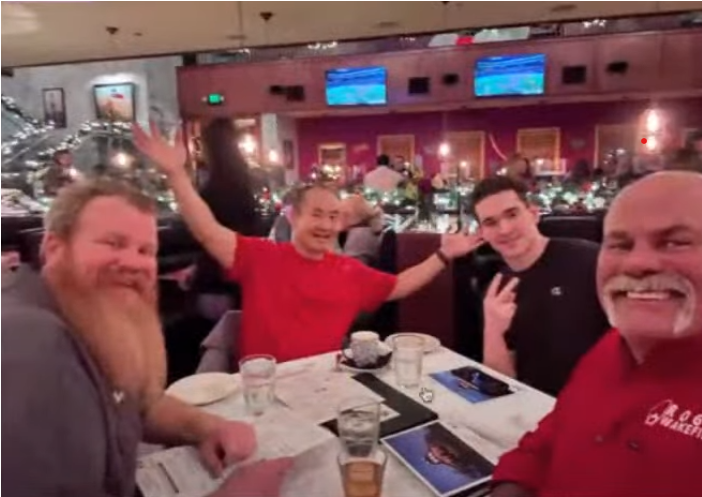
Dennis, Will, and Roger having a power dinner at a fancy steakhouse. What’s on the menu? A standard for SEO.
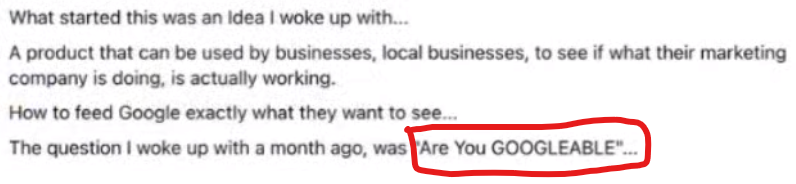
“Are you Googleable?” Roger posed the question that became the cornerstone for successful agency models. And here’s the kicker – focus on doing one thing exceptionally well or cater to a specific type of customer. An agency for everyone is a ship adrift in the sea of digital chaos, or let’s just say this particular technique will not benefit them.
Liana Ling and Perry Marshall, the OG of Google Ads, showcased the power of the LIGHTHOUSES, another successful example of this method.

Perry, the authoritative figure, is promoting Liana, creating a ripple effect that goes beyond mere advertising. It’s the LIGHTHOUSE strategy in action – a close relationship with your ideal client, visible for the world to see.
You might think, “Is this an advertising play or an SEO move?” Well, it’s both. When you search for Liana and Perry, you’ll find more than just promotional content – it’s a testament to the LIGHTHOUSE strategy, where your association with the right people speaks volumes.
The recording uses the collaboration with Roger Wakefield as a teaching example of reaching a relevant audience. This article does not establish current inquiries or prove that the collaboration caused a lead or sale.
So, what’s the secret sauce? Creating content with your LIGHTHOUSE – someone your ideal client respects. A useful collaboration gives prospects a way to inspect relevant work; it does not guarantee their trust. Publish useful, relevant content, then assess search visibility and inquiries separately. Paid distribution does not establish a ranking gain.
Google’s E-E-A-T guidance describes experience, expertise, authoritativeness and trustworthiness. Read Google’s guidance on helpful content.
Experience: It’s not just about saying it; it’s about doing it.
Expertise: Actually know your stuff.
Authoritativeness comes from being a recognized source in your field. Roger Wakefield is the plumbing example we discussed.
Help readers verify your claims with accurate information, clear sources and evidence of the work. The real magic lies in experience. Want to prove your knowledge about a topic? Go out there and live it, don’t just generate content. ChatGPT and other AI tools might have their place, but nothing beats real experiences. Like my visit to Pakistan:
Here I am with Dan Ulin talking about the weather in Pakistan.

Here I am doing a podcast with SaadAllahWala.
And when you’re doing the thing that you say you do, you don’t have to be traveling the world. Whatever you are doing on a daily basis, related to your work, will be instrumental. They will contain all the details of your visit, the place and the people. Whatever else you need, you fill in. For example, Zoom calls with clients are a powerful tool.
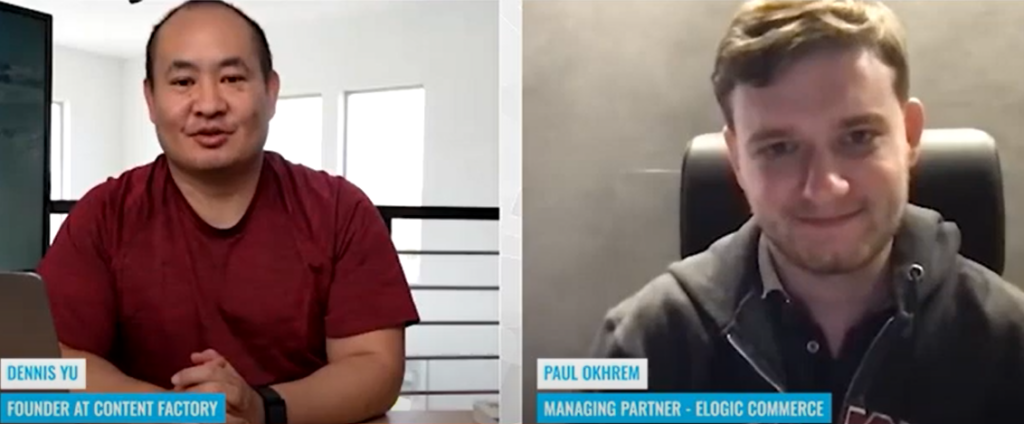
Dennis describes client Zoom calls about audits, PPC campaigns and website fixes as raw material for useful content.
This isn’t some extra thing we’re doing. We have an army of VAs processing and repurposing it for various articles, blog posts, and books – making our content adaptable and impactful.
Do you have great examples of successful students or clients? Share them.
Leverage webinars that showcase your expertise. Repurpose your experiences to rank better in Google.
Be the spokesperson for your brand.
A practical way to start is to choose one source from your week: a job video, a customer question you have permission to share, or an explanation of your work. Turn it into one useful post or blog article. This is an exercise to try, not a measured completion percentage or a quotation attributed to a panelist.
Snippets, blog posts, WordPress, YouTube Shorts or videos all are a goldmine for people who want to be seen and heard. All were in agreement over this. There is the issue of cultural hesitancy where norms dictate that you do not showcase yourself as the best, but here too Dennis says that this may be overcome by tweaking the strategy a bit.
The lesson is to demonstrate the work you actually do and show only the results you can support with evidence.
So, how do you stand out? By leveraging your real experiences, repurposing them into content that’s genuinely ahead of the curve. It’s the perfect time to let the LIGHTHOUSE guide you to SEO success.
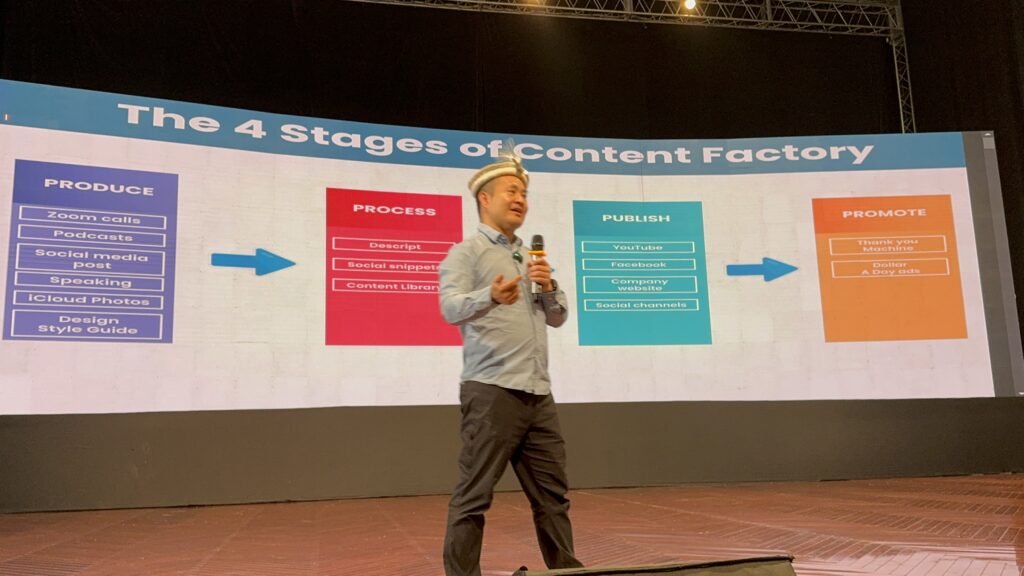
Put the lesson to work on one real job
The conversation was for agency owners. If you run a roofing, plumbing, HVAC or another home-service business, start with the work your team already does. Give your agency something useful to work with: a real job, the questions your customer asked and the evidence that answers them.
This is a practical exercise for 2026. It is not a report of a new client result.
- Capture one job with permission. Record the problem, what your team checked, what you did and what the customer needs to know next. Keep the original files and job date. Get permission before publishing a customer, address or conversation.
- Answer the buyer’s questions. What caused the problem? What were the options? What affected the price or timing? Use details from that job. Say what you cannot tell from a photo or video. An answer should help the next customer make a decision.
- Give the evidence a home. Put the useful explanation on one relevant page. Credit the people who contributed. Link a short clip or social post back to that explanation so the customer can inspect the full context.
- Distribute it where it fits. Share the answer with people who have that problem in the market you actually serve. Give each placement a source and asset ID. Keep paid distribution behind its existing approval and budget rules.
- Follow the inquiry through the business. Record the source, inquiry ID and whether someone answered. Review whether the caller needs the service, is in your service area and can take the next step. Then record appointments booked, jobs won and cash collected in the existing business systems. Keep refunds and costs separate. A view or email click is not a qualified call or a paid job.
Keep a small scorecard
For this exercise, track the job evidence, page or clip, placement, inquiry, answered call, qualified call, appointment, job and collected payment as separate records. Mark missing connections unknown. Do not turn a blank field into zero or credit the content for a sale you cannot connect to it.
The useful question is simple: did this evidence help the right person understand the work and take a useful next step? Follow the records far enough to answer it.
Source note: the original Duda recording supports the discussion above. The application checklist is an exercise added in 2026. Its tracking steps describe what to verify; they do not claim that tracking, lead delivery or revenue attribution has already been demonstrated for this pilot.
Originally published .
Dennis Yu
Dennis Yu is the CEO of Local Service Spotlight, a platform that amplifies the reputations of contractors and local service businesses using the Content Factory process. He is a former search engine engineer who has spent a billion dollars on Google and Facebook ads for Nike, Quiznos, Ashley Furniture, Red Bull, State Farm, and other brands.
Dennis has achieved 25% of his goal of creating a million digital marketing jobs by partnering with universities, professional organizations, and agencies. Through Local Service Spotlight, he teaches the Dollar a Day strategy and Content Factory training to help local service businesses enhance their existing local reputation and make the phone ring.
Dennis coaches young adult agency owners serving plumbers, AC technicians, landscapers, roofers, electricians, and believes there should be a standard in measuring local marketing efforts, much like doctors and plumbers must be certified. He has appeared on 353 podcasts with 619 credited episodes — see the full list of his podcast appearances.