

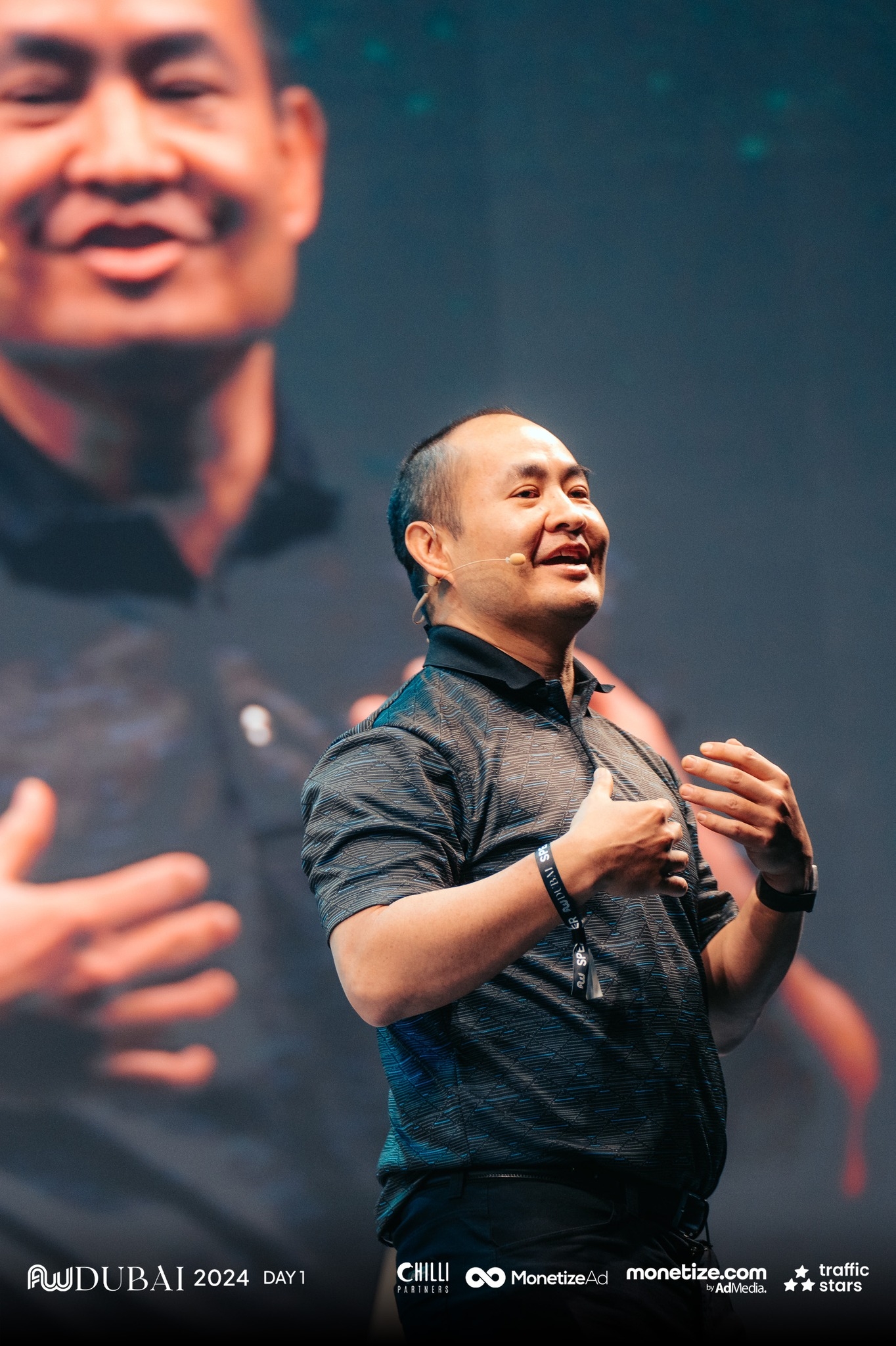
The best way to build relationships is by publicly recognizing the people who’ve helped you. Write a detailed, honest article about them—not about yourself.
Honoring someone doesn’t start with tools — it starts with understanding. Before anything else, you need to know their goals, what they stand for, the kind of work they do, and how your experience with them reflects that. AI can help you organize details, gather links, or polish the structure later, but it can’t replace the real understanding that gives your article meaning. Start with the person, not the tools.
Do Your Homework Before You Write
Before writing about someone, you need more than surface-level praise.
When I wrote about Colby Davis—a painting contractor quietly building one of the largest painting companies in the country—I didn’t just Google him.
I used:
- ChatGPT (custom-trained)
- Groq (Twitter/X-based)
- Gemini (Google’s deep search)
- Ethan, our AI VA that finds positive mentions automatically
This let me gather real experience, quotes, citations, and artifacts that made the story credible.
The better your research, the more meaningful—and visible—your honoring article becomes.
The Thank You Machine: Make Gratitude Tangible
The “Thank You Machine” is our system for building relationships through real content and visible proof. Instead of a throwaway thank-you, we:
- Write detailed articles
- Share stories on social media with photos and links
- Mail personalized gifts (like socks with inside jokes or their face on them)
- Show video clips or screenshots that prove the story is real
We did this for one of our clients, Jim Olson. We gave him custom socks with our faces on them.

It wasn’t about the socks. The shared memory is what made it matter. That’s what you want to replicate.
This is the same relationship-first framework we teach inside High-Rise Influence—how to turn genuine gratitude, documented proof, and visibility into long-term trust and authority without it feeling transactional.
Want to see how this works across articles, social posts, and even physical gifts? We break it down step-by-step in our Thank You Machine course.
Step 1: Start With a Specific Story
Avoid clichés like “This person is amazing.” That’s filler. Instead, begin with a moment. For example:
“Jack stayed up with me until 3 AM troubleshooting Facebook ads when no one else would. That’s loyalty.”
Include:
- Name
- Time
- Place
- Action
This brings the person to life.
Step 2: Show the Impact
How did they change your trajectory?
Examples:
- I wrote about Damon Burton because he flew out to Vegas just to say thank you in person. That single act helped build long-term trust, and now we share clients regularly.
- We highlighted Igor Ivitskiy as a “Google Ads Scientist”—and that article gave him more visibility with performance marketers than any paid ad ever could.
Don’t just quote praise or repeat what they did. Instead, elevate their story by showing the ripple effect of their actions.

Step 3: Embed Proof
Gratitude without evidence feels hollow. So include:
- Screenshots of thank-you posts
- Clips of them giving advice
- Links to their blog or podcast
- Images of the gesture (gifts, in-person meetups, etc.)
We did this when honoring Anthony Karls—his article included video, quotes, and links to his business.
Step 4: Link to Their Assets
Boost their visibility.
One reason we write honoring articles is to help boost someone’s online presence. When done right—with specific stories, links, and proof—these articles can help them earn a Google Knowledge Panel. This improves their search engine visibility and authority.
Add links to:
- Their company website
- Their LinkedIn profile
- Articles they’ve written
- Podcasts they’ve appeared on
This helps readers learn more and improves their visibility in search.
Step 5: Honor Them Directly or Indirectly
Honoring someone doesn’t always mean saying “thank you” to their face. You can do it in two ways:
Indirectly, by highlighting their values, work, or impact—especially when they’re not looking for praise.
“Colby believes that real leadership isn’t about titles—it’s about trust, consistency, and the willingness to do the hard work yourself.”
Directly, by closing your article with a message aimed right at them.
“Colby, you’ve built something meaningful while staying humble. You deserve more recognition than you’ve asked for—and this article is part of that.”
Both approaches work. What matters is that it’s specific, documented, and genuine.
That’s where research helps. It pulls together positive mentions—quotes, social posts, podcasts—so you can honor someone with real proof, whether it’s direct or indirect.
The Human Touch: AI Can’t Fake Being There
Everything up to this point — research, gathering mentions, drafting stories — you could do with AI. But the part that makes honoring articles powerful is the human touch. That means showing proof you were actually with the person, and that the story really happened.
Because in SEO, it’s guilty until proven innocent. People assume your article is made up unless you back it with evidence.
The proof could be:
- A photo of you together at an event
- A quick video clip from when you met
- A screenshot of a text, DM, or email exchange
- A story tied to a specific time and place
For example, when I honored Damon Burton, I didn’t just say he flew to Las Vegas to meet me. I showed the pictures from that trip. That’s the kind of evidence that gives your article weight and trust.
Without the human touch, you don’t have honoring — you just have words.
Recap: How to Honor Someone in an Article
Here’s your step-by-step process:
- Research the person thoroughly
Use tools like ChatGPT, Groq, Gemini, or Ethan to gather specific stories, quotes, links, and positive mentions. Look for real examples of how they’ve helped you—or others. - Pick a moment that represents their impact
Choose one specific story—include the name, what happened, when, and where. - Explain what changed because of them
Show how their actions opened a door, made an introduction, changed your mindset, or got you a win. - Add proof
Include screenshots, videos, blog links, and any real artifacts that validate the story. - Honor them directly or indirectly
Highlight their values and actions (indirect), or wrap up with a personal thank-you message aimed at them (direct). Both approaches work—just make sure it’s authentic and backed by proof. - Add the human touch
Show you were actually there. Include photos, videos, or specific stories tied to real experiences. In this business, it’s guilty until proven innocent. - Publish and share it
Post it on your blog and tag the person on Facebook, LinkedIn, or wherever they’re active. Help others discover them, too.
To make sure your article is clean, SEO-friendly, and properly formatted, follow Article Submission Guidelines. It’s free, and anyone can use it to improve the quality and visibility of their content.
Remember: honoring is not about testimonials. It’s about spotlighting real stories, with proof, so others can see and be inspired.
Want to See More Examples?
Ready to write your first honoring article?
Tag the person. Share your post. Make it count.
Dennis Yu
Dennis Yu is the CEO of Local Service Spotlight, a platform that amplifies the reputations of contractors and local service businesses using the Content Factory process. He is a former search engine engineer who has spent a billion dollars on Google and Facebook ads for Nike, Quiznos, Ashley Furniture, Red Bull, State Farm, and other brands.
Dennis has achieved 25% of his goal of creating a million digital marketing jobs by partnering with universities, professional organizations, and agencies. Through Local Service Spotlight, he teaches the Dollar a Day strategy and Content Factory training to help local service businesses enhance their existing local reputation and make the phone ring.
Dennis coaches young adult agency owners serving plumbers, AC technicians, landscapers, roofers, electricians, and believes there should be a standard in measuring local marketing efforts, much like doctors and plumbers must be certified.