
 by
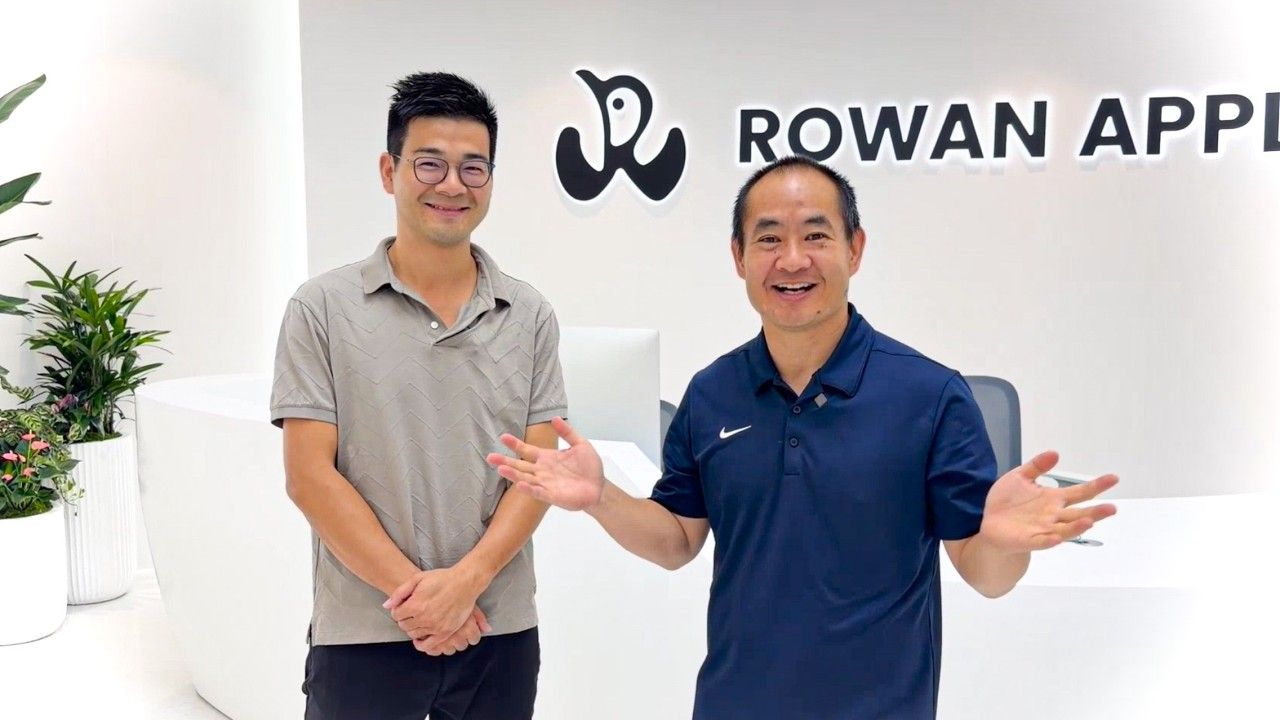
I filmed this walkthrough on my phone with Jack Jiao, President of Rowan Appliance, in their new Shenzhen office three days after it opened.
Rowan Appliance had been in its new Shenzhen office for exactly three days when Jack Jiao walked me through it. Most of the desks were still empty. Furniture was still in boxes. The conference room screens had been plugged in sometime between my first visit and the morning we filmed.
Jack is the President of Rowan Appliance, the company behind the coffee makers, ice makers, mini fridges, wine coolers and grills you’ve probably scrolled past on Amazon, Lowe’s and Walmart.com. Jack and I met at AI conferences, and our team now helps Rowan with marketing and AI. I visited their LA office a few weeks before this trip, then spent several days in Shenzhen with my friend Dan Leibrandt. This post is what I took away from the tour and the conversation we recorded on the 48th floor.
Rowan Appliance is building an international brand from Shenzhen
The US team in LA is eight people. The Shenzhen floor is built for many more, and Jack had been interviewing candidates from the US, Germany and Japan before we arrived. When I asked what was going on, he answered in one line.
“We want to build up an international brand. Right now we’re focusing on the US, but we’re expanding to Europe and Japan.”
He’d just come back from IFA in Berlin and a trip to Stuttgart, where Rowan is looking for a local partner, an office and a warehouse. A few weeks before that, the team was at a trade show in Japan doing the same thing. The plan is to repeat what they did in the US: find a local office, then build a local team.
In the US, Rowan already sells well online through Amazon, Lowe’s and Walmart.com. The next step Jack described is physical stores, so shoppers find Rowan products on the shelf at Target, Walmart and Costco.
A tea table, a CEO bedroom and a shower with a view
Some parts of the office tell you a lot about how a Chinese company works. The CEO’s office wasn’t finished yet, but the tea table was already in place. Jack explained that in Chinese culture, business gets discussed over tea, so the table is where those conversations happen.
Next to the CEO’s office was a private bedroom and bathroom. That’s common for senior executives in China, Jack told me, because they work late and sometimes just stay. The bathroom has a floor-to-ceiling window of one-way glass looking out over Shenzhen. I told Jack this was one of the most epic places to take a shower I’d ever seen. It was way better than our hotel room.
There’s also a training room with stadium seating where Rowan brings in consultants to teach the team. Jack wants AI training and global marketing training in that room, and he asked me on camera to be one of the lecturers. I told him I’d love to.
Why Jack hires for passion first
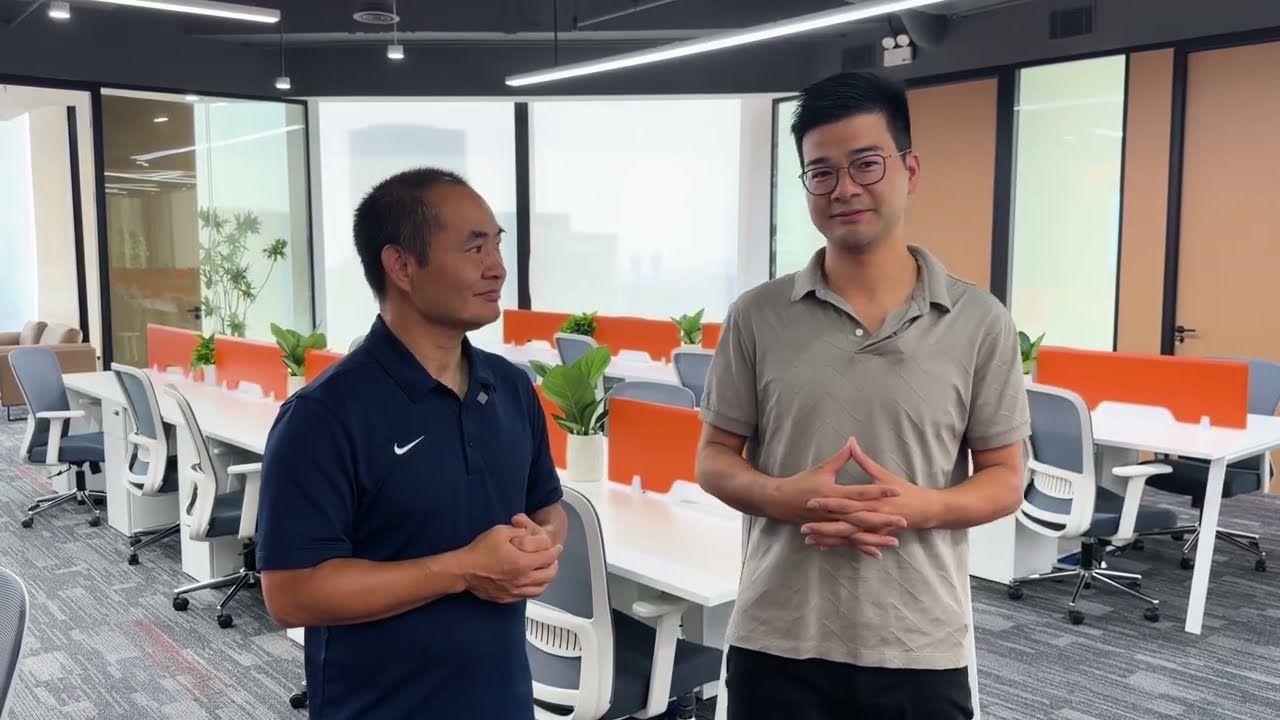
The empty desks are the point. Rowan is hiring, and I asked Jack what kind of people he’s looking for.
“When I’m hiring, I’m always looking for, first, the passion. I want people who are really passionate about whatever they’re doing.”
He was specific about where that passion should show up. Marketing, live streaming and content creation. Industrial design, if your dream is designing the perfect coffee maker. Logistics and warehouse management, because Rowan is building out its own system. And AI, which Jack says is already changing the way they run the business. He also wants to partner with marketing agencies, influencers and distributors who can help people understand who Rowan is.
Here’s why I think this company attracts strong people. Jack runs the business end to end. Rowan takes a product from raw materials through manufacturing, packaging, distribution, channel partners and direct-to-consumer sales. Most people in a company only ever touch one of those steps. When you can influence every part of the stack, you get more decisions and more ownership, and that’s why expanding teams tend to attract A players. It’s the same thing we look for in how we screen for A players at BlitzMetrics.
Jack put it in his own words: “We don’t want to just become a reseller. We want to be responsible for every part of this whole line,” from product design to logistics, marketing, sales and customer service. The day before we filmed, Jack had taken us on a factory tour where we saw packaging being produced for Apple, JBL and Amazon. Spending time with people who operate at that level is how you learn fast.
If you want in, now is the time. As I told Jack on camera, imagine trying to join his company five years from now. You want to be on the rocket ship before it really takes off. Rowan lists its open roles on its careers page.
Jack’s three rules for building an appliance brand people love
Nike and Red Bull build loyalty around athletes and stories. I asked Jack how you build that same kind of loyalty for a mini fridge or an ice maker. He gave me three answers.
First, the design has to be beautiful enough to be a piece of art. When someone puts a Rowan mini fridge or ice maker in their home or office, Jack wants them to say, “Oh, I like this.” It’s there for the look, not only the function.
Second, people should enjoy every interaction with the product, starting with the unboxing. “When people unpack our product, they already start to like us,” Jack said. Then it continues with that first cup of coffee in the morning.
Third, the product should bring people together.
“When they are brewing a coffee, they share the cup of coffee with their friends. Maybe have a very deep conversation with their old friends. This has nothing to do with the coffee maker. But the coffee helped the conversation, and the conversation helped their relationship.”
I have friends with $15,000 to $20,000 espresso machines that look like Ferraris, and they’ll tell you everything about them. When I was in Rowan’s LA office, Jack showed me their top-of-the-line coffee maker and asked me to guess the price. Based on the look and the build, I said $5,000 or $6,000. That reaction is exactly what Rowan is after. Their goal is authentic design and high quality at an affordable price, and they can do it because they control the whole chain instead of paying a middleman at every step.
Art, technology and humanity
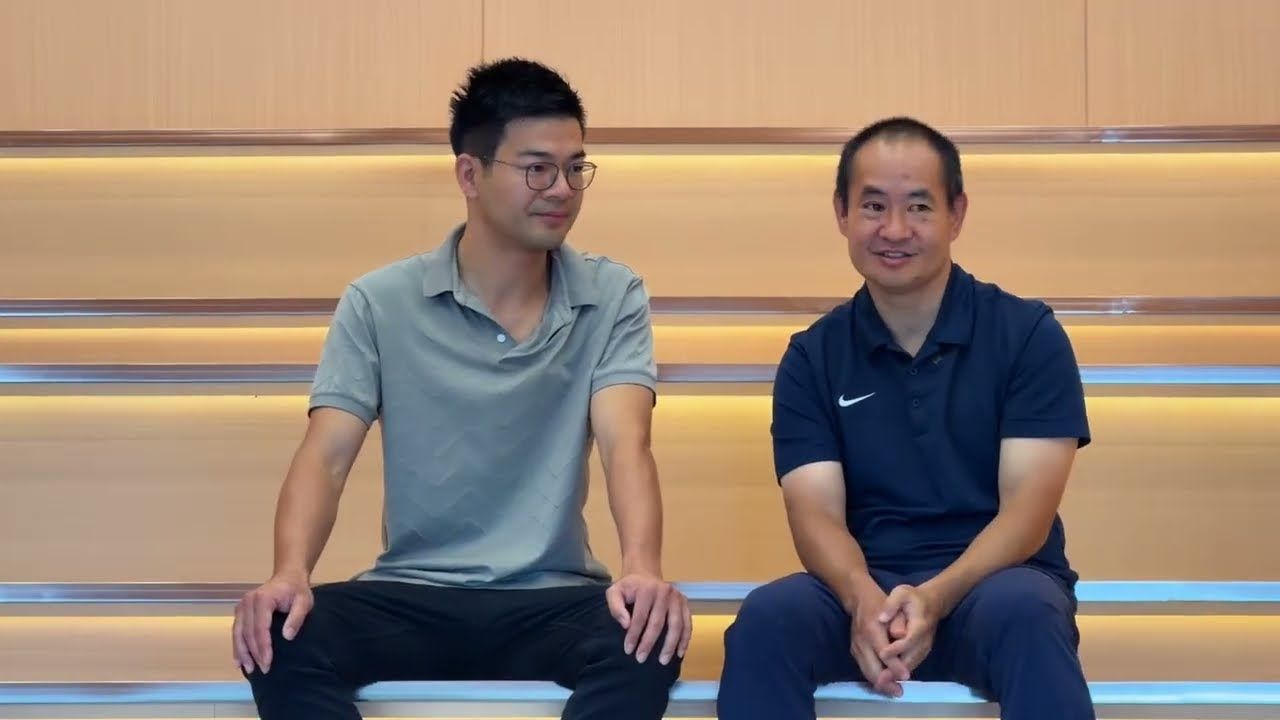
When I asked what people need to know about Rowan, Jack went straight to the company slogan.
“We want to merge art, technology and humanity as one.”
Art is the design work. Technology is what makes a product easy to use and makes a sleek, high-end look possible. Humanity is the connection piece. “Right now, social media makes people basically isolated,” Jack said. He wants appliances to do the opposite: coffee at home with a friend, iced drinks for your family, a barbecue grill outside with your kids.
Rowan is also careful about sustainability. Jack told me they design for energy efficiency and keep cutting waste, from manufacturing to logistics to the consumer’s home.
My summary of the brand conversation is simple. The brand is the full experience: the people behind it and what they stand for, the packaging (think of how nobody throws away an Apple box), the product, and the reviews. Rowan has strong ratings across its product lines, and because it isn’t white-labeling someone else’s product, it controls every one of those pieces. You can see the range of what they make on Rowan’s brands page.
Jack also made a point I keep thinking about. Plenty of high-end European and North American brands are manufactured in China, and most shoppers never know it. Rowan wants to be a premium brand that’s proudly from China. As Rowan grows, I think it raises the reputation of Chinese brands with it.
How Jack runs it all: plan ahead, then trust the team
Jack was headed to Foshan that afternoon for meetings with a CEO there. He has a wife and a kid. So my last question was how he manages his time.
“I like planning. So basically I plan ahead. Then I let my people handle their own work. I trust my people. I give them authority to make the decision. Most of the time they will do better than me.”
When people ask how he built all of this himself, his answer is that he didn’t. “Actually, it’s not me, it’s my team.” His people make the decisions, and some of them build their own small teams.
That’s a hallmark of a great leader. Hand people real authority, then get out of the way as quickly as possible. It’s the same idea behind the accountable team lead in our own nine levels of business mastery.
Why I’d tell a young marketer to pay attention
The people who follow me see Dan and me go on adventures all over the world while doing business at the same time. Shenzhen is the electronics manufacturing capital of the world. We had dim sum and hot pot with Jack and toured a factory. You couldn’t pay for a better way to expand your mind.
Companies like Rowan want American marketing talent that understands AI. If you’re a young marketer who can adapt, be proactive and take ownership without being micromanaged, there’s a place for you in LA, in Shenzhen, or in the teams Rowan is building in Europe and Japan. That’s the same path I talk about with young people building AI skills instead of waiting for a job offer.
Watch the full tour above. If you have questions for Jack or for me, leave them in the YouTube comments and we’ll answer them.
Originally published .
Dennis Yu
Dennis Yu is the CEO of Local Service Spotlight, a platform that amplifies the reputations of contractors and local service businesses using the Content Factory process. He is a former search engine engineer who has spent a billion dollars on Google and Facebook ads for Nike, Quiznos, Ashley Furniture, Red Bull, State Farm, and other brands.
Dennis has achieved 25% of his goal of creating a million digital marketing jobs by partnering with universities, professional organizations, and agencies. Through Local Service Spotlight, he teaches the Dollar a Day strategy and Content Factory training to help local service businesses enhance their existing local reputation and make the phone ring.
Dennis coaches young adult agency owners serving plumbers, AC technicians, landscapers, roofers, electricians, and believes there should be a standard in measuring local marketing efforts, much like doctors and plumbers must be certified. He has appeared on 353 podcasts with 619 credited episodes — see the full list of his podcast appearances.