
 by
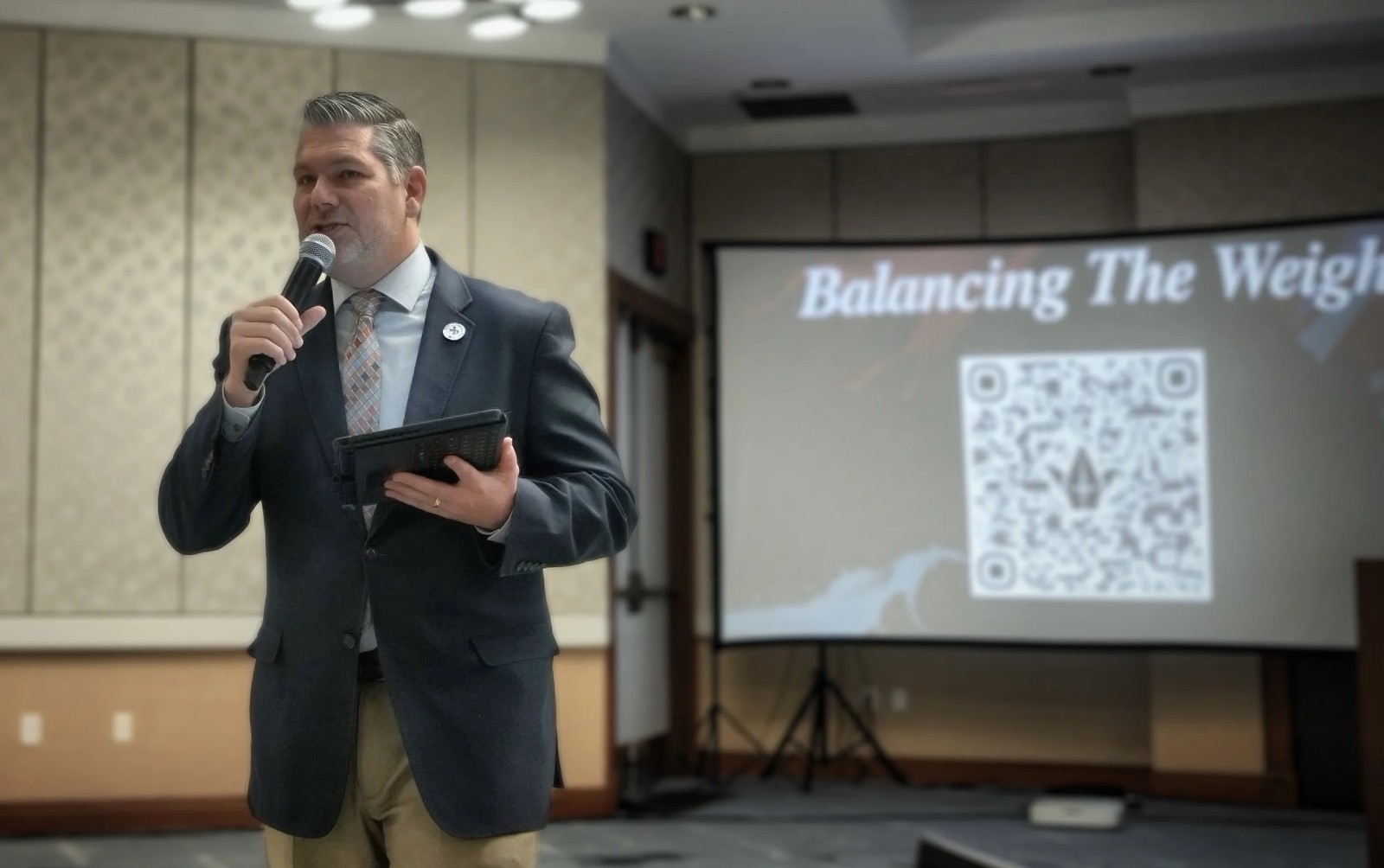
Pete Hazzard is an educator, conductor, author and leadership speaker. This case study documents our website and SEO work with him: the search baseline, completed website changes and open measurement questions. The business goal is to help relevant event organizers find his work and make speaking inquiries.
Define the goal for Pete Hazzard’s website
Pete brings together the work of an educator, conductor, author and leadership speaker. His website presents keynotes and training for education leaders, teams and organizations. That gives the SEO work a concrete purpose: help the right organizer understand his offer and start a useful conversation.
A visitor might arrive after a colleague recommends him, after seeing him at an event, or through a search about leadership. Each route needs a clear next step. An organizer should be able to understand the audience fit, see credible evidence and find the inquiry path without assembling the story from several disconnected places.
That’s why this project starts with the speaking offer. A higher traffic estimate is useful only if some of those visitors become relevant inquiries. Pete’s existing writing remains his own; this next phase focuses on public proof, useful references and the path to his services.
Review the search baseline
Our September 22, 2026 audit combined Google Search Console with Ahrefs. The tools answer different questions. Search Console reports activity from Google Search for a verified property. Ahrefs estimates visibility from its own keyword data and measures the backlink profile it has found.
125
Google Search clicks
2,269
Google Search impressions
3
Search clicks to Speaker
Search Console baseline: June 21 through September 20, 2026, for https://www.petehazzard.com/. These are search interactions, not leads or bookings.
The Speaker page recorded 208 impressions and three clicks in that window. That makes it a useful page to monitor as the inquiry destination becomes better supported. Those impressions don’t tell us that every searcher was looking to hire a speaker, and three clicks are too few to support a conversion-rate conclusion.
Ahrefs showed a Domain Rating of 1.7, two ranking keywords and an estimated one monthly organic visit. It also reported 659 referring domains. A large domain count alongside a low rating calls for a review of the referring pages and their relevance. Domain Rating is an Ahrefs metric, not a Google score.
The Ahrefs traffic estimate and Search Console’s three-month click total aren’t interchangeable. Neither is a booking report. We have not verified additional speaking engagements or revenue attributable to these changes, so this is a baseline and implementation case study, not a growth claim.
Review the speaking page
Pete’s leadership keynotes and training page is the place where an interested organizer can evaluate his topics and request speaking information. Our work around that path has included presentation fixes, clearer navigation to the inquiry section, and checks on the inquiry experience.
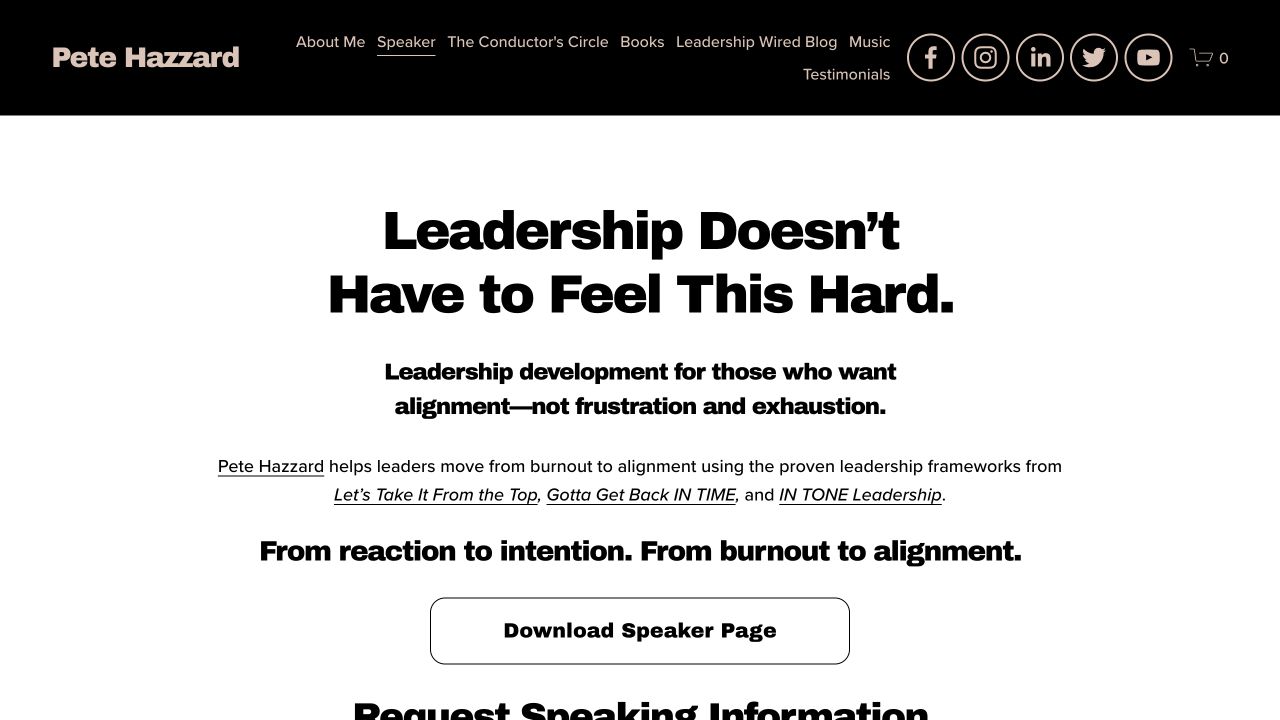
The useful distinction is between an educational article and a page that helps someone make a hiring decision. BlitzMetrics’ guide to money pages versus blog posts explains that separation. For this audit, the speaking page is the destination to assess alongside search visibility and relevant referrals.
We also prepared a speaker overview and an editable proposal template for Pete’s review. Those supporting documents can make a future conversation easier, but a prepared template is not a client-approved offer or a signed engagement. Private drafts and terms aren’t reproduced here.
Check the testimonial presentation
One completed improvement was the placement of Manny Gamez’s roughly 70-second testimonial. The video now lives as an unlisted upload on Pete’s own YouTube channel and appears on his public speaker testimonials page.
The opening needed visual cleanup so captions and the name-and-role treatment could coexist. We checked the exported video and website placement, then replaced the editing-platform presentation with the client-owned YouTube embed. An organizer can now watch the testimonial in the context of Pete’s work.
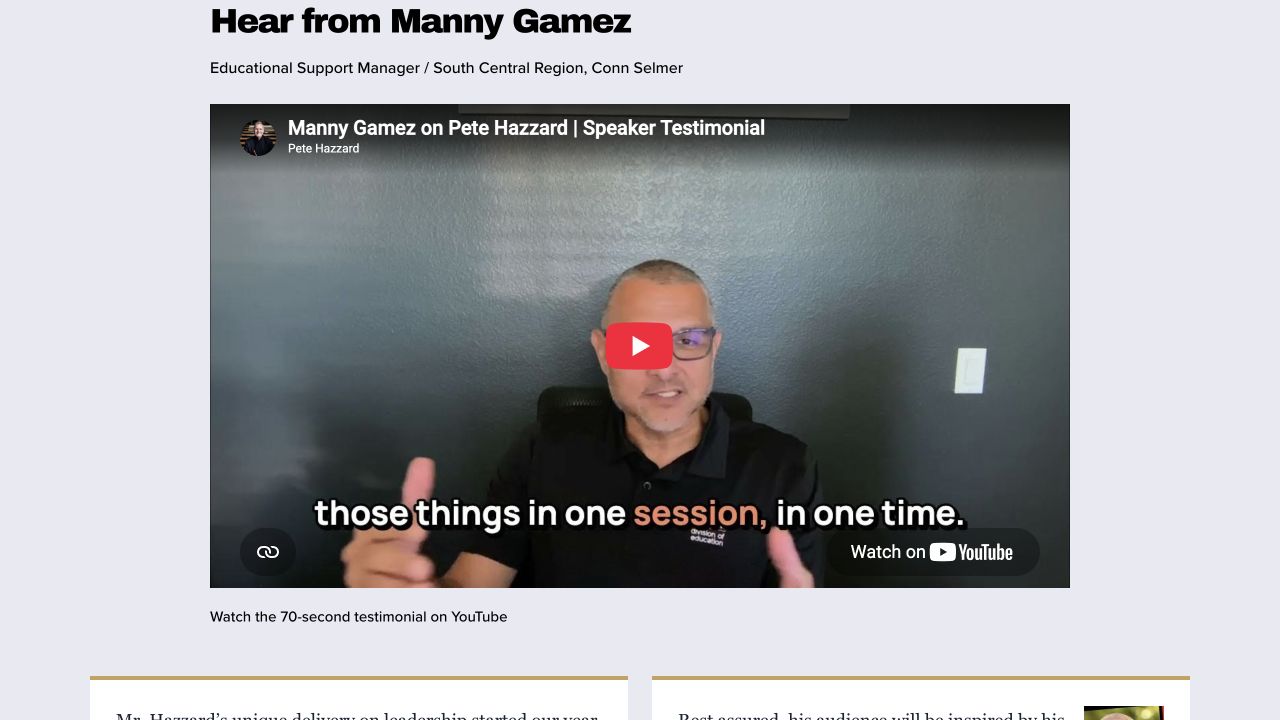
This is a small implementation detail with a practical purpose. Readable attribution and a working player help visitors identify the person speaking and assess the testimonial. The video remains evidence of someone’s experience, not a guarantee that every engagement produces the same outcome.
Check the site without rewriting the author
The technical review checked public pages, redirects and search access. Search Console showed the Speaker page on Google, and its live inspection passed availability checks. No manual action or security issue appeared in the reports we reviewed. Core Web Vitals lacked enough usage data, so we did not label real-user performance as passed.
An earlier, limited SEO pass improved four search listings, added closing navigation paragraphs to two articles and corrected crowded mobile article navigation. Pete’s original prose was preserved. Further blog edits are outside the current scope; future improvements should respect the author’s voice and intent.
The Ethan Van De Hey website tune-up documents a related visual review, including hard-to-read links, paragraph spacing and uneven testimonial cards. Those examples illustrate why a technical check should include the rendered page.
Our personal brand website QA guide provides the broader method: inspect the visitor experience as well as the settings. A saved change needs a public check. A submitted test form needs a confirmation check, and inbox receipt is a separate question. Test inquiries must never be counted as business leads.
Identify relevant linking opportunities
The next backlink opportunity is to connect Pete’s real professional activity to his site. Event organizers, education associations, podcast hosts and collaborators can give readers useful context about his work. A speaker biography or episode page that names him and points to the appropriate page is valuable because the reader has a reason to follow it.
A practical starting point is an inventory of appearances and existing mentions. Check whether the source identifies Pete correctly, whether its link works, and whether the destination helps that audience. Where a genuine mention lacks a link, a concise request to the publisher can make the reference more useful. New outreach is a proposed next step, not a completed result.
This follows the entity linking decision tree: connect a person to their own site and a concept to its relevant explanation. This article itself documents our work with Pete and links readers to public evidence. Repeating the same story across multiple articles would add little value.
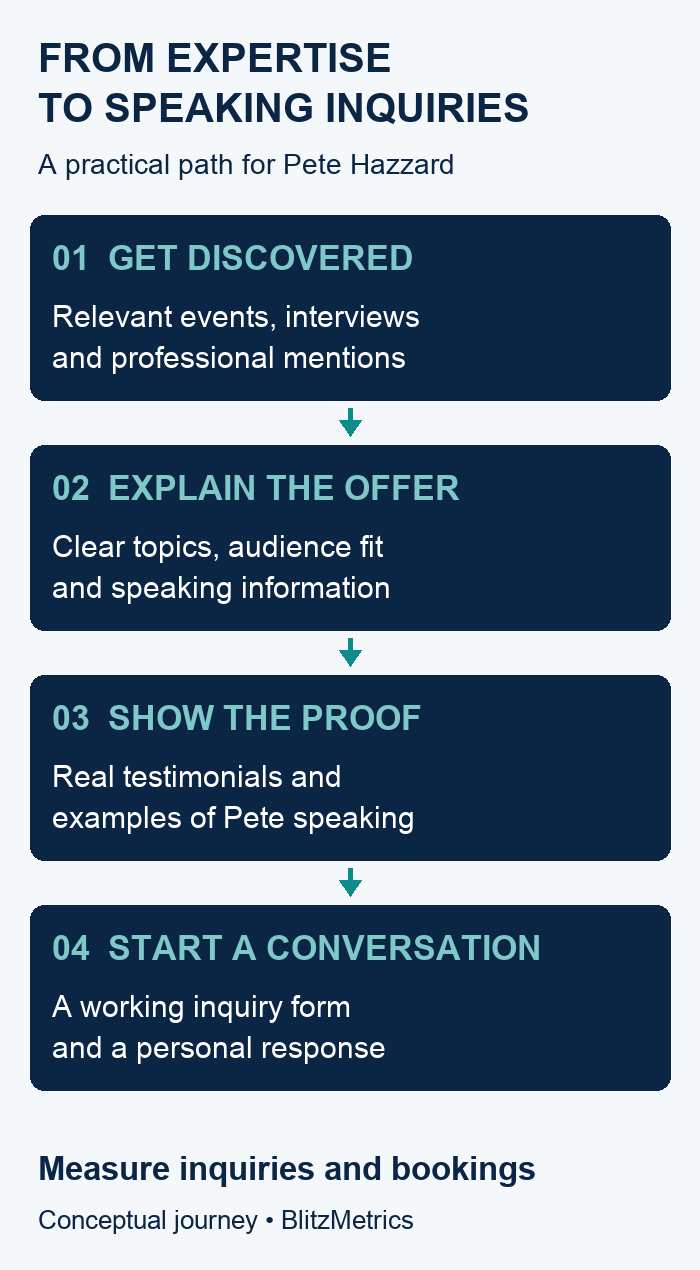
The sequence is simple: relevant discovery, a clear offer, credible proof and a working inquiry path. Each part supports the next. A link can help someone discover Pete; the destination still needs to help that person decide whether he’s right for their event.
Measure inquiries and bookings
The next review should track search clicks to the speaking page, genuine inquiries, qualified opportunities and booked engagements. For each inquiry, record the source when known, the type of event, whether it’s a fit, and the eventual outcome. Exclude internal tests and spam.
That gives the work an honest feedback loop. If relevant visitors arrive but don’t inquire, review the offer and contact experience. If inquiries arrive but aren’t a fit, review the audience and referral context. If qualified opportunities become engagements, that is the business evidence worth reporting.
For a related example of organizing a professional’s existing expertise online, see our Gavan Thorpe website case study.
Originally published .
Dylan Haugen
Dylan Haugen is a professional dunker, content creator, and editor at the Content Factory, where he transforms podcasts and interviews into strategic brand assets. He collaborates with Dennis Yu to support young entrepreneurs and business owners in building their personal brands through education, transparency, and effective content marketing. As the host of the Dunk Talk podcast and a dedicated advocate for establishing dunking as a recognized sport, Dylan combines athletic expertise, storytelling, and digital strategy to help elevate the next generation of creators.