
 by
by
Kirt Box is signing a sponsorship contract with Victory Archery tomorrow — with only 8,500 YouTube subscribers.
He earned it by building genuine trust inside the archery community through YouTube, competitions, and real relationships. Not by chasing followers. Not by going viral on purpose. By showing up consistently in a community that brands want to reach.
This is how he did it, and what anyone building a personal brand in a niche can learn from his approach.
Who Is Kirt Box?
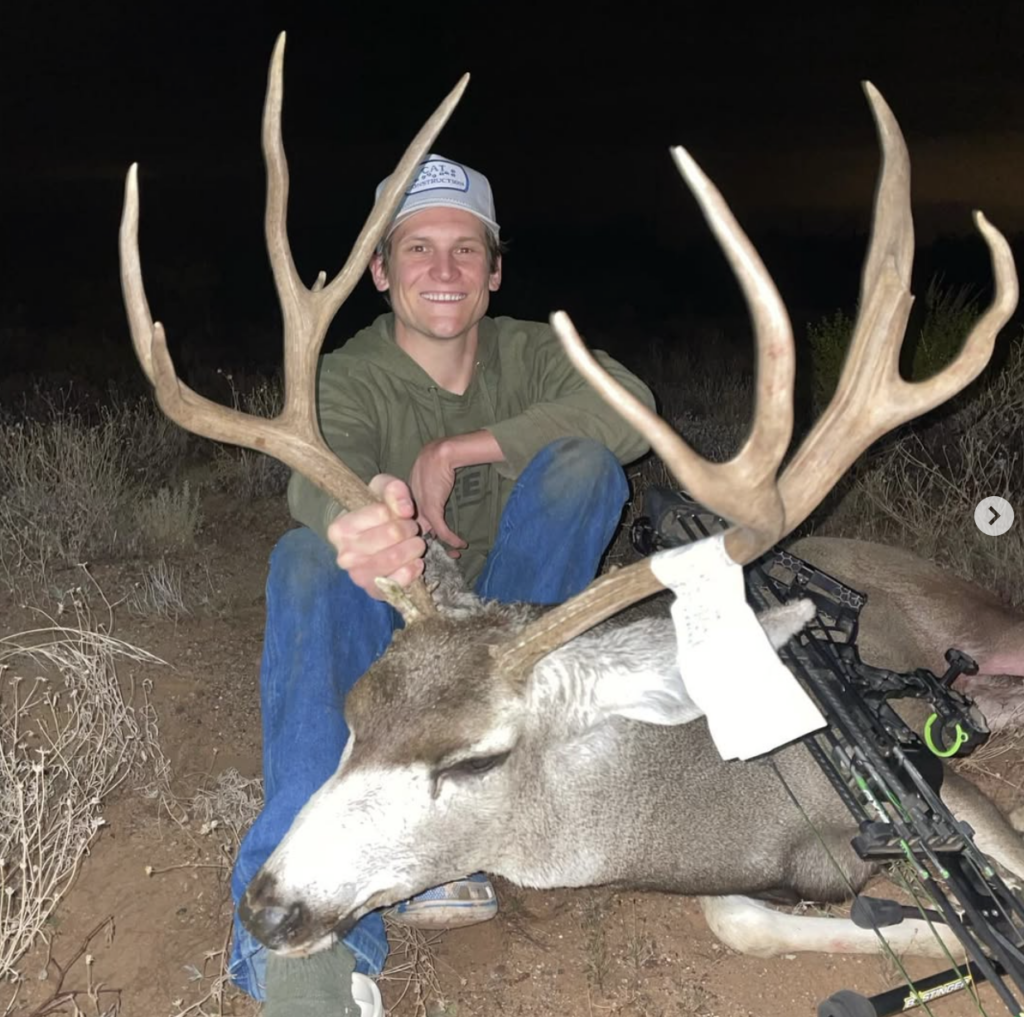
Kirt Box is a bow hunter, military veteran, and supply chain manager based in Midland, Texas. He served tours in Kuwait and Afghanistan, has invested in and flipped real estate, and currently works at Boeing while building his outdoor brand American Country Outdoors on YouTube.
His freezer is stocked with meat he’s hunted himself — whitetail deer from Texas, elk from Idaho, mule deer from Arizona, axis deer, antelope. He builds his own arrows. He competes at the Total Archery Challenge. He does all of it while working full time.
His current sponsors:
- Victory Archery
- Moultrie Mobile
- Black Flag Nootropics
- Bow Crew Apparel
None of those deals came from a viral moment. They came from years of being genuinely present in his community.
The Pool Table Story
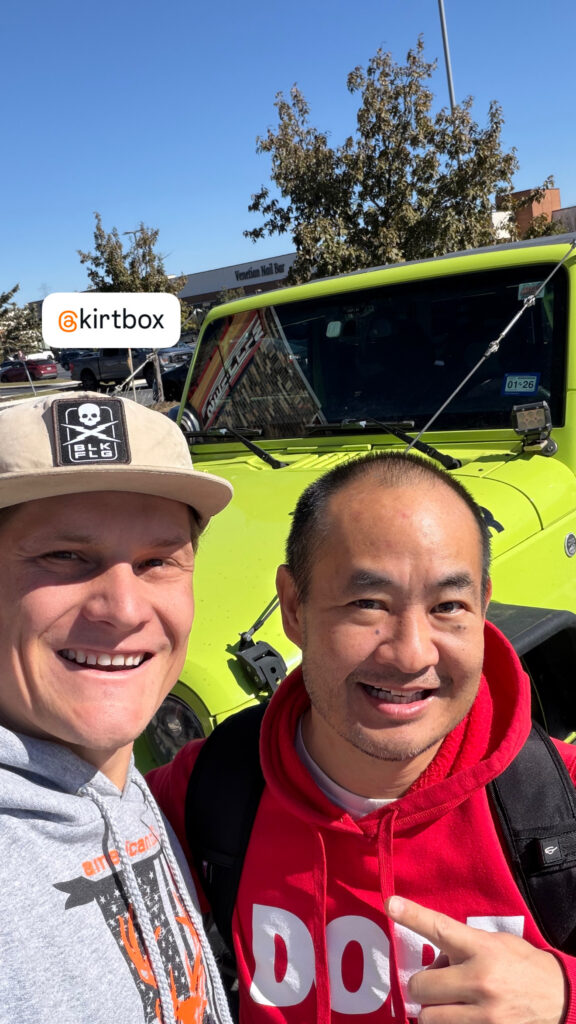
In November 2021, I was speaking at a conference in Tucson, Arizona. Afterward I ended up at the hotel restaurant — pool table in the back. I got paired with a stranger named Kirt.
We played until 3:00 AM. Kirt had no idea who I was. People kept pulling him aside whispering, “Do you know who that is? You should Google him.” His response: “We’re playing pool right now. That’s irrelevant.”
That’s the foundation of everything Kirt has built. He doesn’t chase people. He doesn’t drop names. He shows up and lets connections form naturally.
That one night eventually led to this conversation — filmed the night before Kirt signs his Victory Archery contract.
Why 8,500 Subscribers Was Enough
Brands sponsor creators whose audiences trust them.
When asked how he landed Victory Archery, Kirt didn’t mention his subscriber count. He talked about a guy named Chris who worked at Victory, a mutual friend named EJ, and another connection named Jeff. The deal came together because Kirt had been showing up at the same competitions year after year, collaborating with other creators, and being genuinely helpful.
Chris from Victory approached Kirt directly: “Why are you shooting that other brand? Come shoot ours.”
“I don’t really want anything from people other than friendship,” Kirt said. “And typically those genuine connections lead to something so much more.”
Victory didn’t need him to have a million followers. They needed evidence that his audience trusted him and that he had real relationships inside the community they sell to. That’s the Goals, Content, Targeting framework working in practice: Kirt’s content reached the right people because it was built around genuine community participation, not broadcasting to a mass audience.
The 5 Million View Short He Didn’t Plan
Kirt made hundreds of videos before one broke through. Most early ones didn’t crack 10,000 views.
Then one did 5 million.
He wasn’t trying to go viral. He was helping another YouTuber struggling to reach 1,000 subscribers. Kirt filmed a quick 30-second video featuring the other creator’s product, posted it on his own channel, and tagged his friend.
“I truly believe it’s because I was trying to help someone else that the stars aligned,” Kirt said.
The content that performs best is usually made for someone else’s benefit.
Why YouTube — Not TikTok or Instagram — Gets You Sponsored
Kirt is direct about what actually drove his sponsorships: “Instagram, TikTok, all that stuff is not what got me a sponsorship at all. I don’t even know if they care that I have that stuff.”
A 15-second TikTok shows a trick shot. A 45-minute YouTube episode shows expertise, relationships, values, and real personality. Shorts and Reels attract attention. Long-form YouTube shows depth and builds community — and community is what sponsors are paying for.
This is the same pattern documented in the Content Factory process: short-form content drives discovery, long-form content builds the depth and trust that converts viewers into a loyal audience.
Three Other Creators Using the Same Strategy
Kirt isn’t alone in using this approach. Here are three others who I mentioned in the interview that applied the same principles and won.
Dylan Haugen — Professional Dunker, 18 Years Old
Dylan Haugen has over 100 million views across social media and can do dunks NBA players can’t pull off. For a long time, none of that translated into sponsorships.
The shift came when he stopped only posting dunks and started interviewing other professional dunkers and brands on YouTube. Shoe deals, supplement deals, and clothing deals followed. He’s now one of the most recognized name in professional dunking — not because he’s the best dunker, but because he became the most connected voice in that community.
George Paladichuk — 21-Year-Old Founder, University of Colorado Boulder
George Paladichuk is still living in the dorms at CU Boulder, financing his business on a credit card, flying middle seat on Spirit Airlines. Three to four months ago he was invisible online.
He made a list of eight big names he wanted on his podcast and reached out cold. All eight said yes. Now George is speaking at conferences and his software company nail.ai is growing, driven entirely by his YouTube channel.
Dan Leibrandt — From Living at Home to Number One in Pest Control Marketing
Dan Leibrandt had never shown his face online. He was a pro-level copywriter working behind the scenes for agencies. When I convinced him to start a podcast, he pushed back: “I’m a nobody. Why would anyone listen to me? I still live at home.”
I was his first guest. He started by interviewing top voices in pest control — a niche small enough to own quickly — then expanded outward to interview Neil Patel and major names across digital marketing. Early on, my audience learned about Dan. Now when I appear on his podcast, I’m introduced to his audience instead.
The Podcast Strategy Kirt Is Launching
Kirt is starting his own podcast. The framework is straightforward.
Step 1: List 8 people you’d want to interview.
Kirt’s list includes Dan Staton from ElkShape, whom he describes as “a fantastic and genuine guy” after meeting him in person. Also on the list: John Dudley, one of the biggest names in archery coaching; Chris Bee, who shoots for Mathews and is known for being natural on camera; and Nate Grace, Chief Design Officer and partial owner of Prime and G5, someone Kirt has hunted with and still texts regularly.
Step 2: Reach out and ask.
Before our conversation Kirt assumed most would say no. By the end he believed all of them would say yes. A podcast appearance costs a guest 45 minutes and puts them in front of a new audience. People say yes when the ask is genuine.
Step 3: Go to them.
Kirt will be at the Total Archery Challenge in San Antonio in April — several of these names will be there too. He’s heading to Idaho for an elk tag, and Dan from Elk Shape lives in Idaho. He’ll arrive a day early and do the interview in Dan’s home archery shop.
Step 4: One interview becomes 100 pieces of content.
AI tools clip a single hour-long episode into YouTube Shorts, Instagram Reels, Facebook posts, and X posts. The Dollar a Day strategy — $7 spent over seven days boosting a post — ensures that content reaches marketing teams at archery brands, purchasing managers at outdoor retailers, and the people who approve sponsorship budgets.
Six interviews. 600 pieces of content. Targeted at exactly the right people.
Kirt’s Mom Started YouTube This Week — In Her Fifties
During filming, Kirt’s mom FaceTimed him. She’s the educational director at Sibley Nature Center in Midland, Texas, with deep expertise in local plants and wildlife.
By the end of that call she had a channel name — Backyard Biologist — a domain, and her social profiles set up.
She started that day. In her fifties. On a FaceTime call while her son was filming a podcast episode.
Competitors Are Collaborators
The people you think are competing with you are often your best potential collaborators.
At one point my agency worked with Red Bull, Monster Energy, and Rockstar simultaneously. Each brand believed the others served a completely different market — and they were right.
The same logic applies in archery, hunting, or any niche. The audience following another creator in your space is the same audience you want to reach. Interviewing a so-called competitor puts you in front of their audience while positioning you as a community connector.
Kirt doesn’t view other archers and hunters as rivals. He collaborates with them, features them in content, and competes alongside them at events like the Total Archery Challenge. The community grows together. Each creator benefits from the collaboration.
Why Victory Archery Said Yes
Archery sponsorships work differently from mainstream influencer deals. Arrow brands like Victory don’t need a creator to reach millions of casual viewers. They need to reach serious compound bow hunters — people who research equipment obsessively, attend competitions like the Total Archery Challenge, and influence the buying decisions of everyone around them.
Kirt’s audience is exactly that. His content covers arrow weight, feet-per-second measurements, bow builds, and multi-day backcountry hunts. The people who watch it are already buyers in the category Victory sells to.
For Victory, sponsoring Kirt isn’t about impressions. It’s about being represented by someone their best customers already trust. Victory’s marketing team isn’t counting subscribers. They’re asking whether Kirt’s audience buys arrows — and whether those buyers trust his recommendations. On both counts, the answer is yes.
That’s the sponsorship logic that most follower-count metrics miss — and the reason Kirt landed a deal that many larger accounts haven’t.
What Kirt Is Doing That Most Creators Miss
“I’m already going to be doing these hunts,” Kirt said. “I’m already building the archery shop in my house. So why not put it on YouTube?”
Kirt was already hunting and building relationships in the archery community. YouTube simply made those activities visible to the brands who needed to see them.
That’s the core of what the Content Factory process is designed to do: take the expertise and experience someone already has, document it consistently, and distribute it to the right audience.
Kirt’s advice for anyone still waiting: “Just do it. Pull the trigger. Don’t just dip your toes in. Go all the way in.”
This article connects to BlitzMetrics processes including personal branding, one-minute video, Content Factory, Dollar a Day, SEO Tree. Each of these concepts has a definitive article that explains the full framework.
Originally published .
Dennis Yu
Dennis Yu is the CEO of Local Service Spotlight, a platform that amplifies the reputations of contractors and local service businesses using the Content Factory process. He is a former search engine engineer who has spent a billion dollars on Google and Facebook ads for Nike, Quiznos, Ashley Furniture, Red Bull, State Farm, and other brands.
Dennis has achieved 25% of his goal of creating a million digital marketing jobs by partnering with universities, professional organizations, and agencies. Through Local Service Spotlight, he teaches the Dollar a Day strategy and Content Factory training to help local service businesses enhance their existing local reputation and make the phone ring.
Dennis coaches young adult agency owners serving plumbers, AC technicians, landscapers, roofers, electricians, and believes there should be a standard in measuring local marketing efforts, much like doctors and plumbers must be certified. He has appeared on 353 podcasts with 619 credited episodes — see the full list of his podcast appearances.