
Document Your Expertise and Teach Others
Introduction
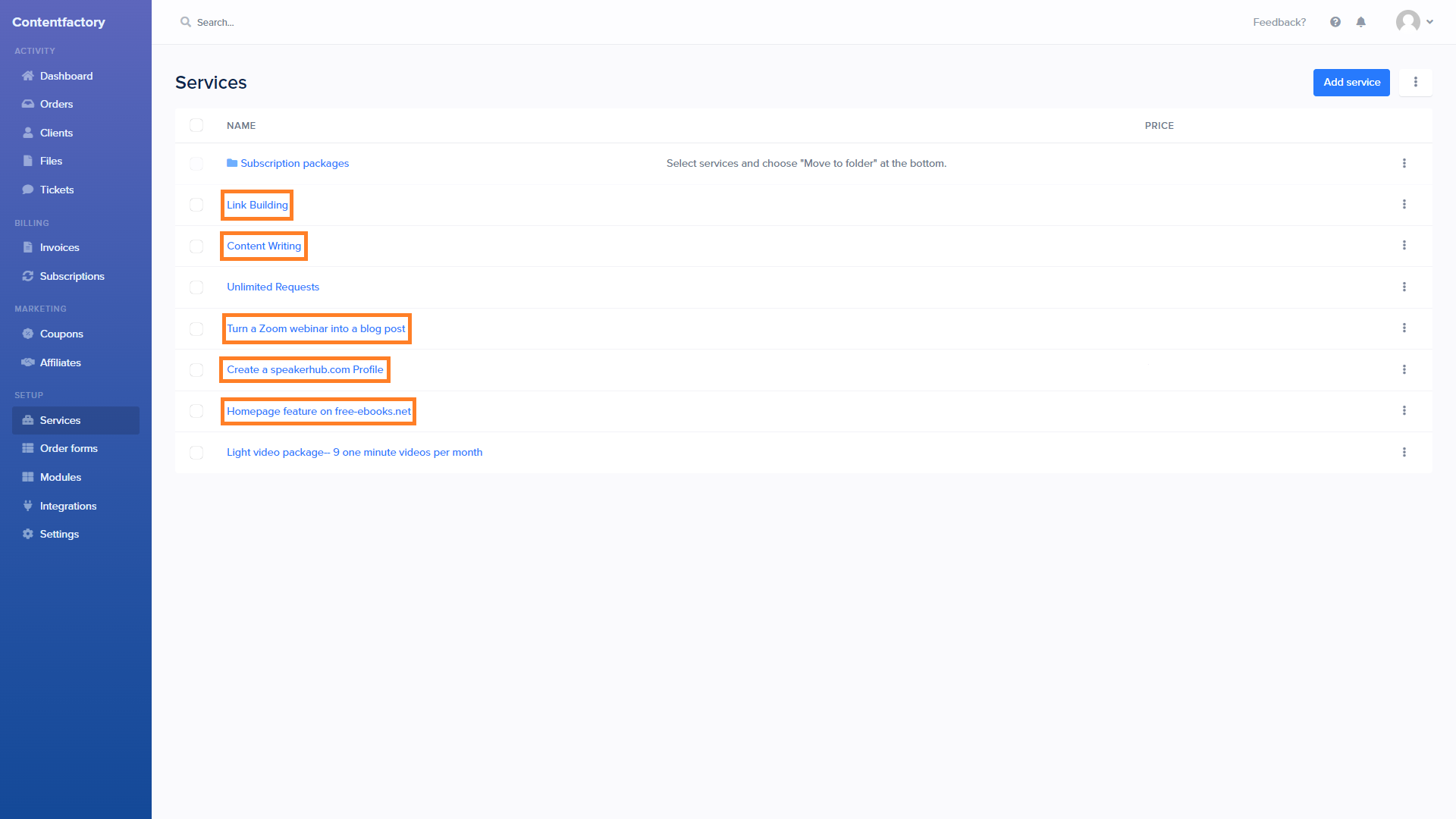
Incentive Program
a. We pay $500 if 3 external customers give us 5 stars on that task being done by agents or workers other than you.
b. There will be a revshare to you every time that task is completed, so you have an incentive to keep the training current and ensure our agents and international workers are successful.
With AI agents, documenting tasks and delegating work is much easier than before. You simply execute the task well enough for agents to learn from your actions—agents handle the documentation, checklists, and training materials. Most work will be done by agents, so your focus is on demonstrating expertise through execution.
Requirements
#1. There should be demonstrated expertise. You should have done the task yourself many times which makes you an expert at it.
#2. The task should be something that can be done over and over (repeatable) by agents and others.
#3. You should be willing to execute the task well so that agents can document the steps, following our process so that others can learn from you.
#4. You should ensure the task documentation is linked to our training.
#5. You should update the documentation continuously. For the full framework on how documents, templates, and checklists work together, see Creating Winning Documents that Drive Conversions.
Documenting a Task
Are you ready to share your knowledge, create jobs, and earn together?
Verification Checklist
The documented task must meet the following criteria:
#1. The guide includes a checklist at the beginning of the page.
#2. The checklist includes the tools, tips, URLs, and login information that are needed to help complete the task.
#3. The process is broken down into a sufficient number of steps to make the process easier to understand and follow.
#4. The guide includes an abundance of screenshots (with highlights) to provide a visual reference.
#5. All the anchored text (clickable text) leads to the intended pages or documents.
#6. The guide includes links to Content Factory pages and other related media available in our collection.
#7. There is a reference to the Task Library with a clickable link at the bottom section of the guide.
#8. There is a verification checklist at the end of the guide.
#9. You have checked the document for errors in spelling, grammar, formatting, and consistency.
#10. The title has been checked for proper capitalization.
#11. There is an instructional video for the task being documented.