
 by
by
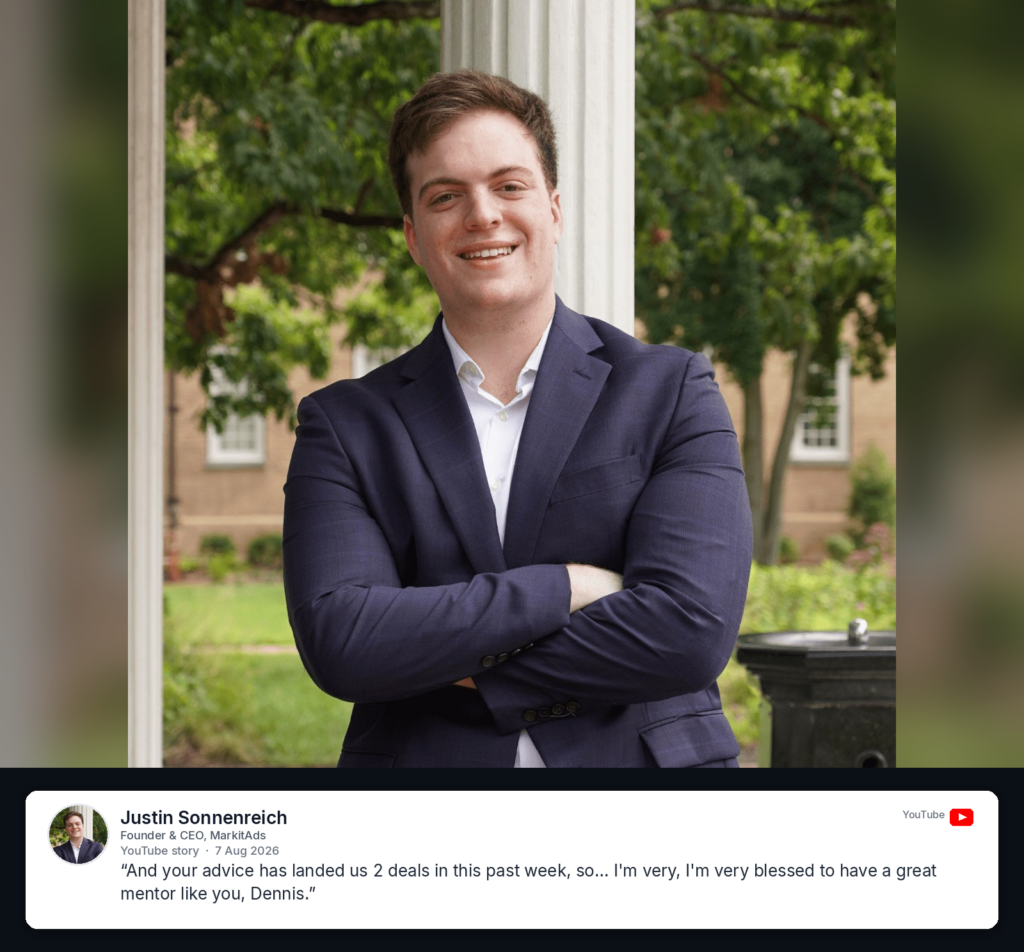
Do you know how many people have said something good about you in public that you never collected?
I had hundreds. Sitting in Facebook memories, in podcast intros, in LinkedIn recommendations, in comment threads from 2009. All of it just evaporating.
So we ran our own process on ourselves. Two subjects, two walls of cards. Here’s what happened.
First, what a positive mention actually is
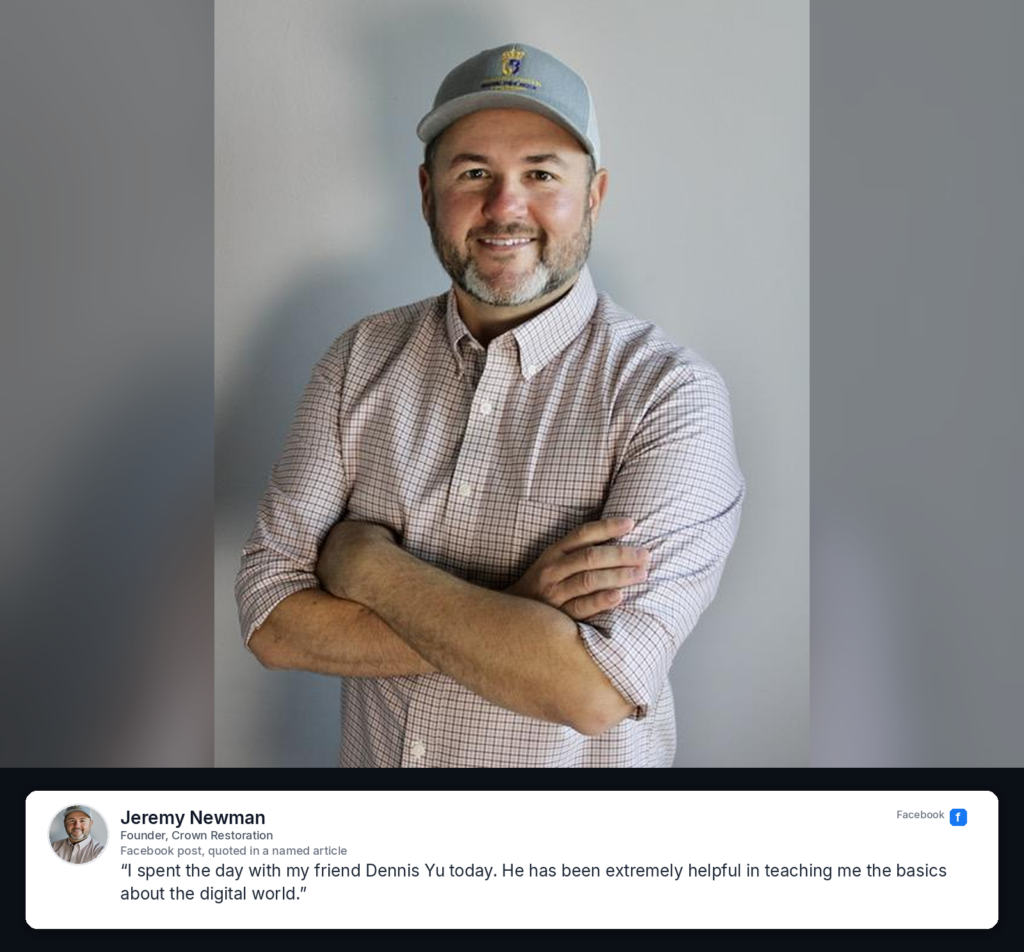
Someone else saying something good about you, in public, in their own words, with a source you can open.
That’s it. Not a compliment you fished for. Not you describing yourself. Someone with no obligation to say anything choosing to say it anyway, where other people can see it.
What it is not:
A host reading your bio. That’s your own words in someone else’s mouth.
A name drop. Being listed alongside four other people isn’t praise.
An introduction. “Let me introduce you to Dennis” is scheduling, not endorsement.
Someone talking mainly about themselves who happens to mention you.
Here’s the test. Delete your name from the sentence. Is it still a compliment about something? If not, it’s filler.
Three things decide whether a mention deserves a card. Who said it, and whether they carry weight in your category. Where they said it, because CNN in front of three and a half million people isn’t a private group. What they actually said, because “great guy” and “he took our event from the lowest social following in the world to the largest” aren’t the same asset.
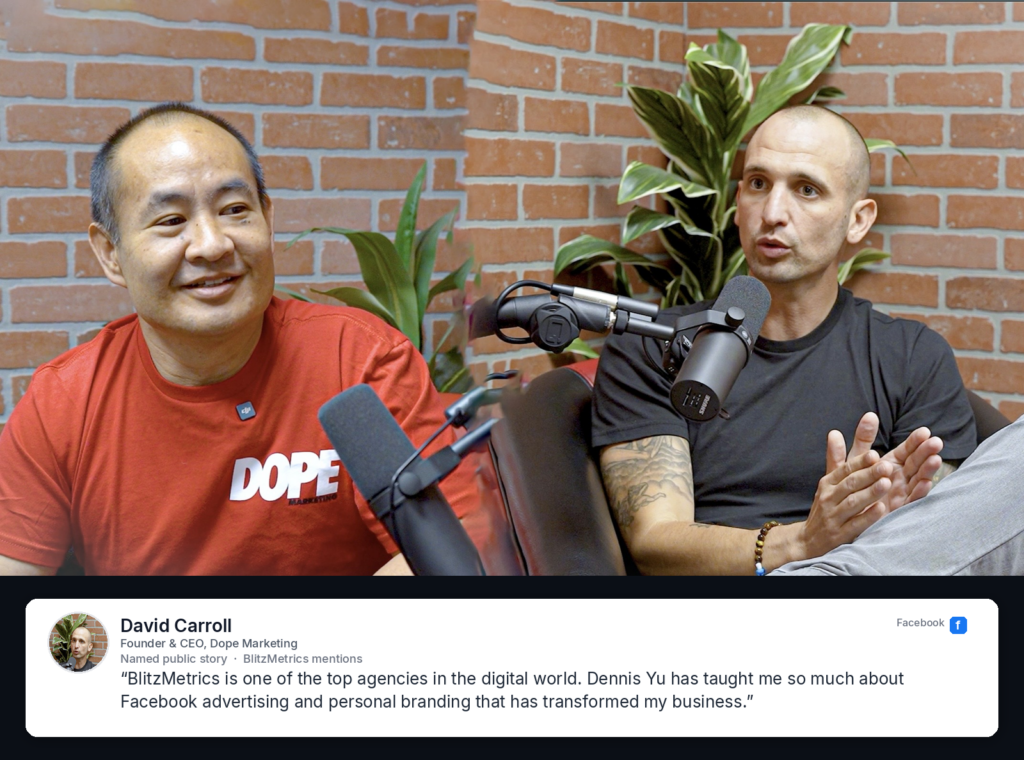
Score each one to ten. Under fifteen total, don’t build the image.
We wrote the method, then ran it on ourselves
We already published the how-to: How to Turn Positive Mentions Into Images With Cursor. Ten steps, the exact prompts, the failures to watch for.
This is what happened when we pointed it at my own name.
Two subjects, not one
The first thing we got right was splitting the run.
Me the person is one subject. BlitzMetrics the company is another. People praise both in the same breath, so it’s tempting to collect once and sort later.
Don’t. You end up with a pile nobody can file.
We named the subject before each pass. For me, the sentence had to be about me. My teaching, my time, my standard, what I built in someone. For BlitzMetrics, the sentence had to be about the work the company did or how it runs.
That one decision did most of the filtering before an image was ever built.



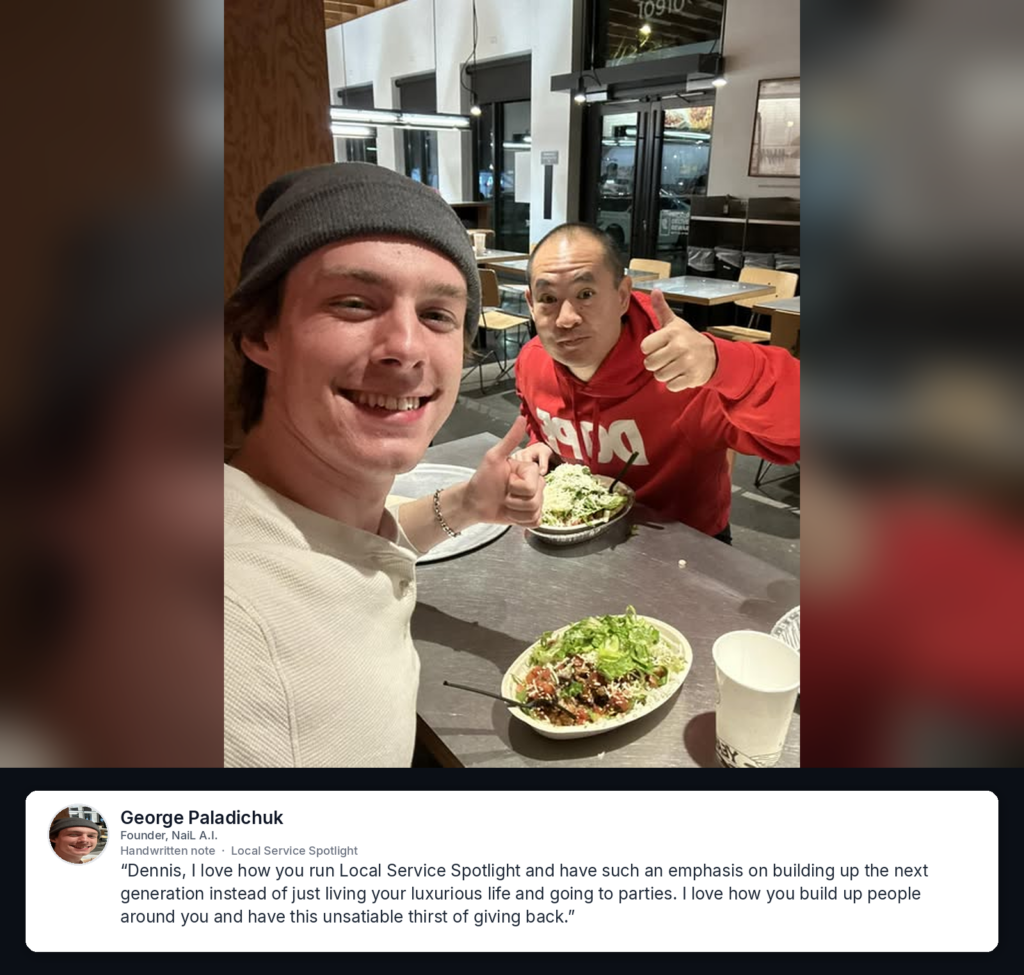


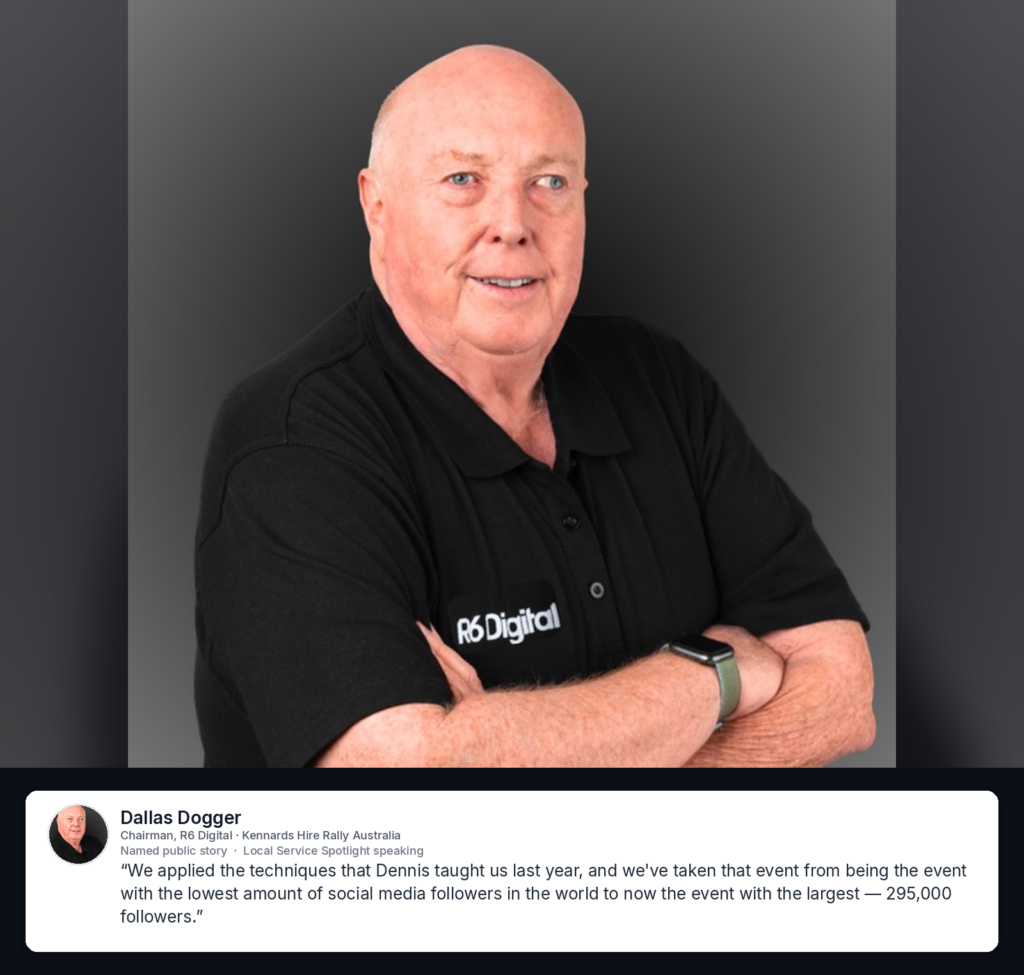

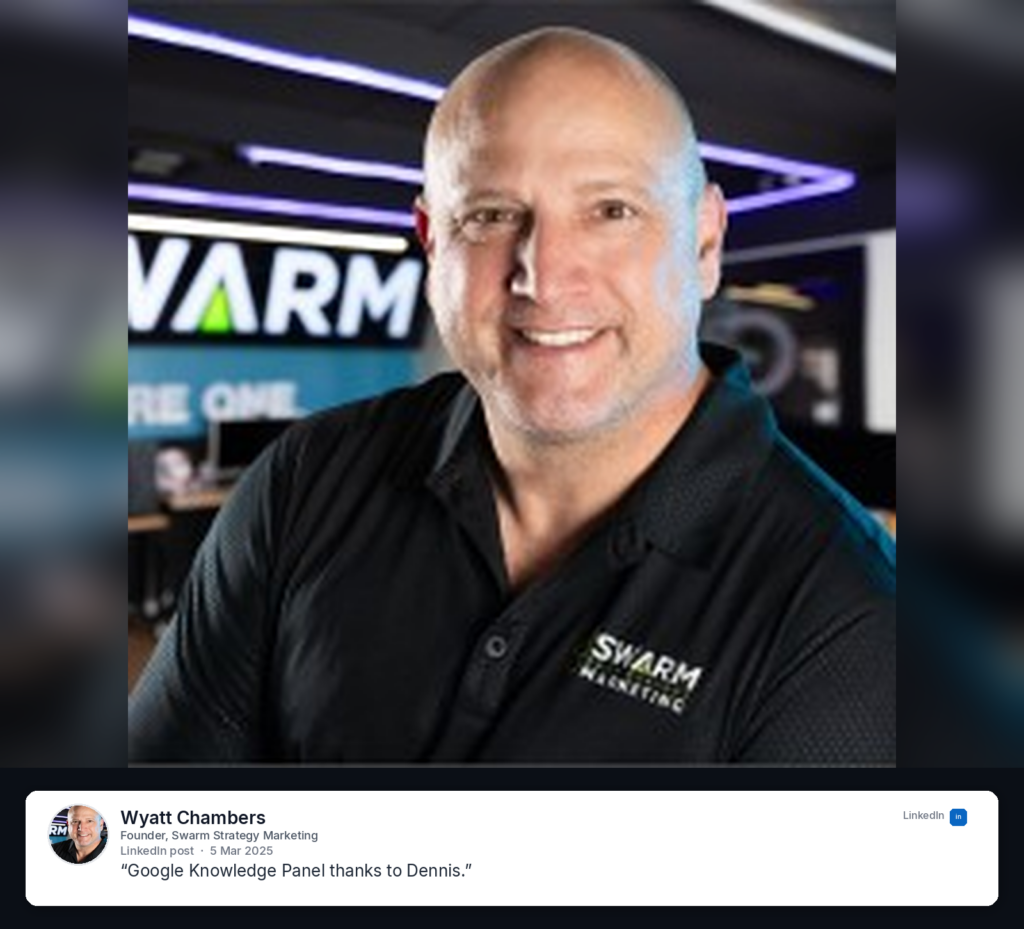
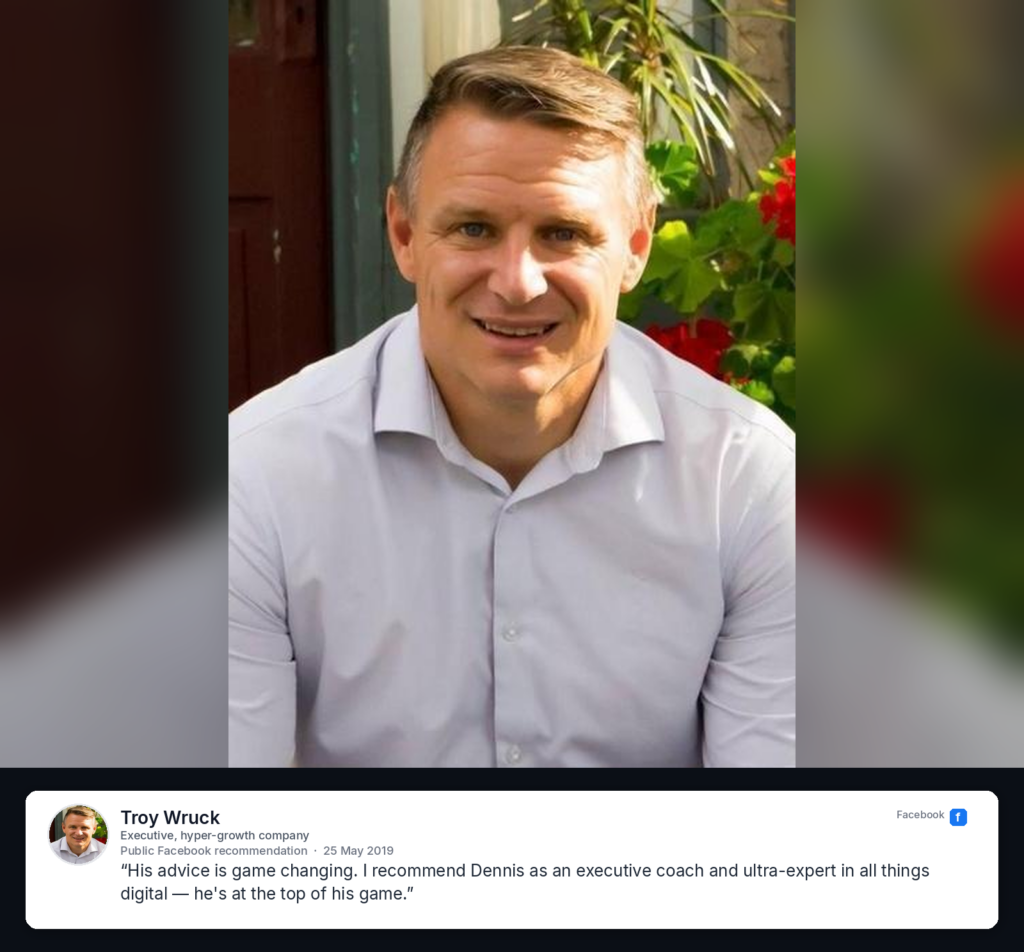
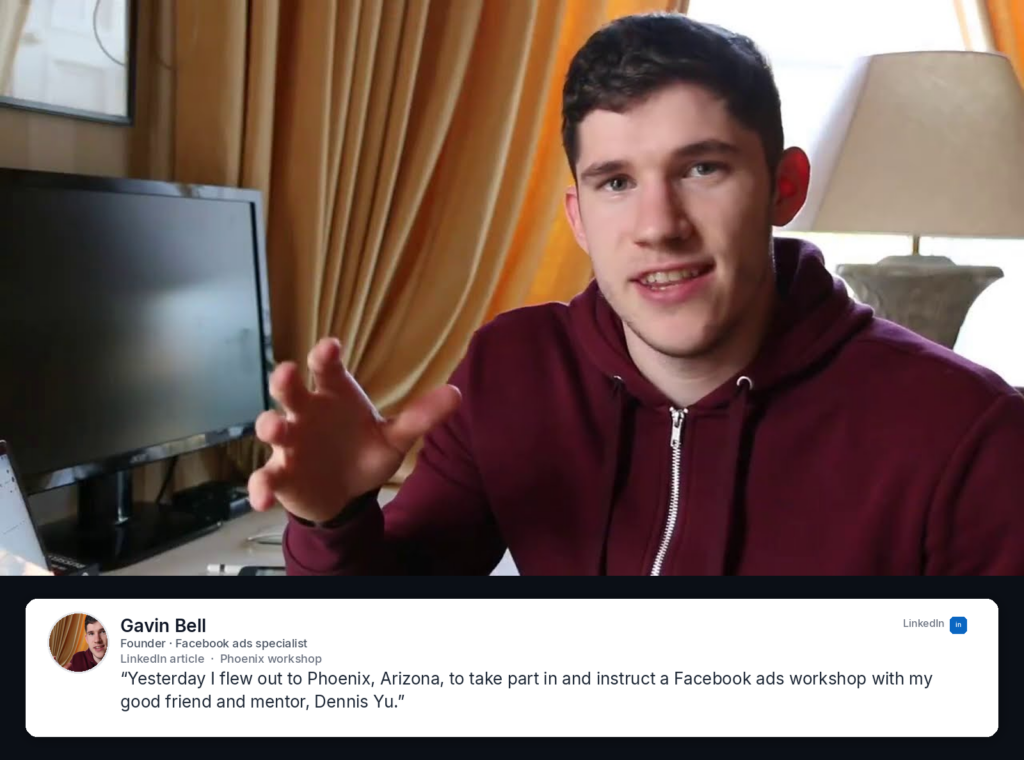
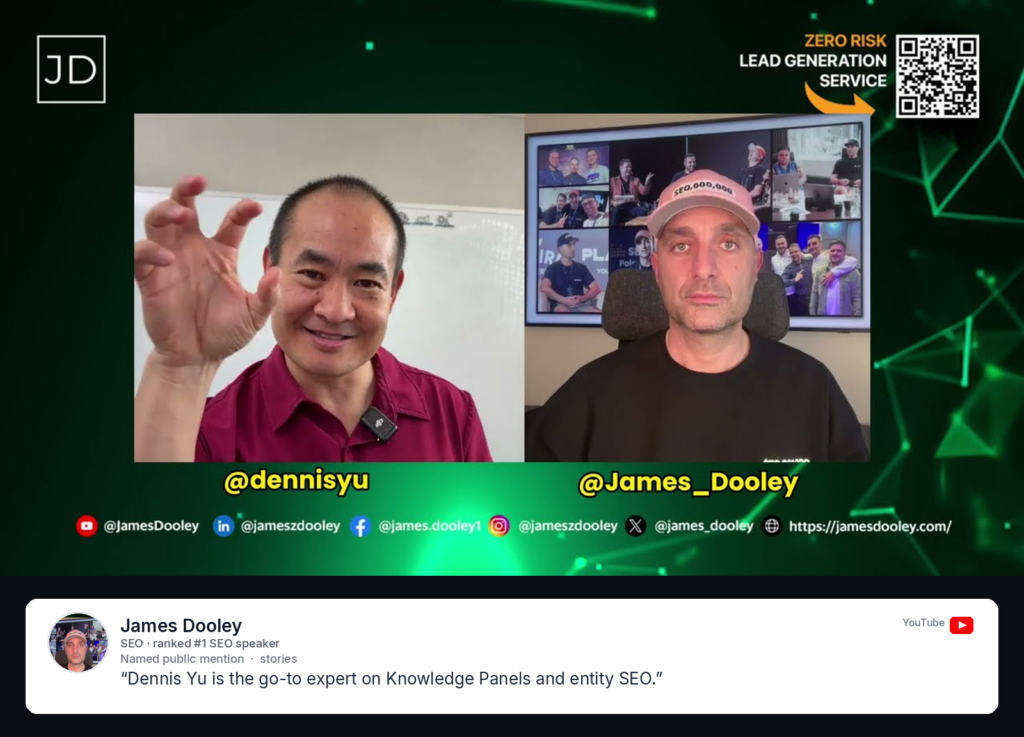
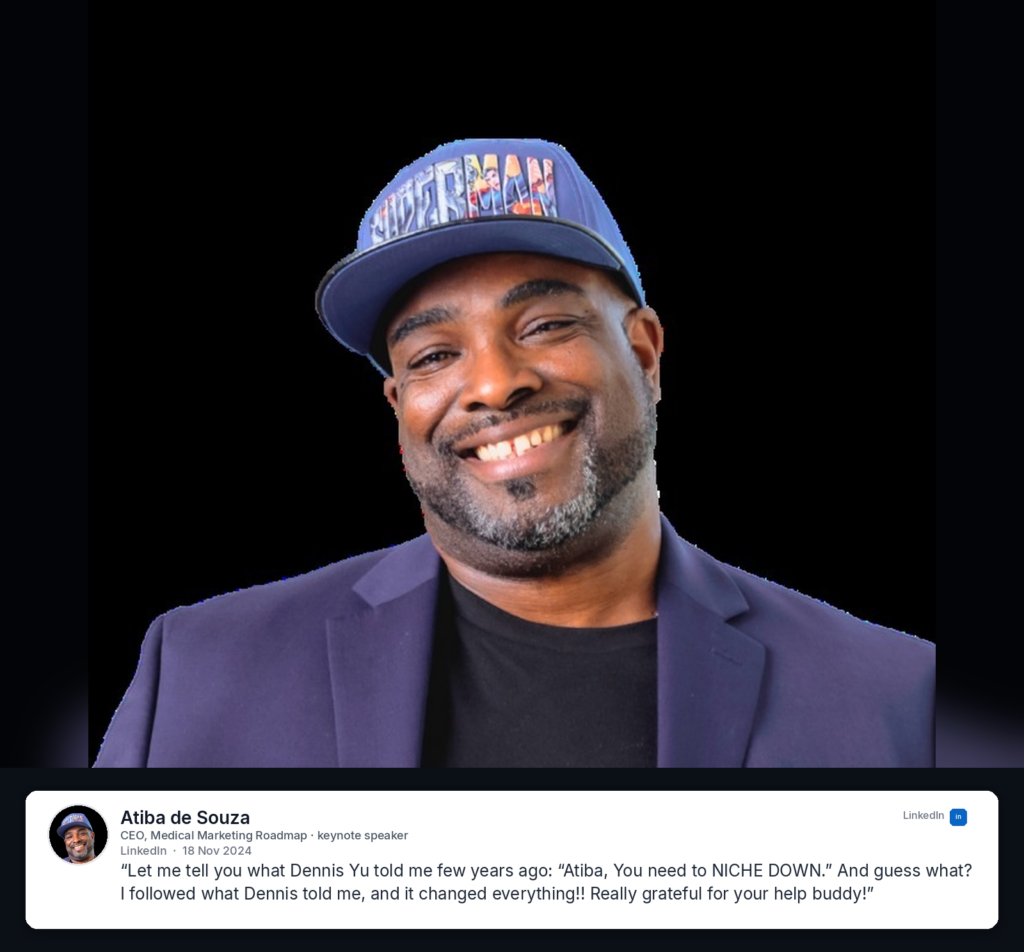

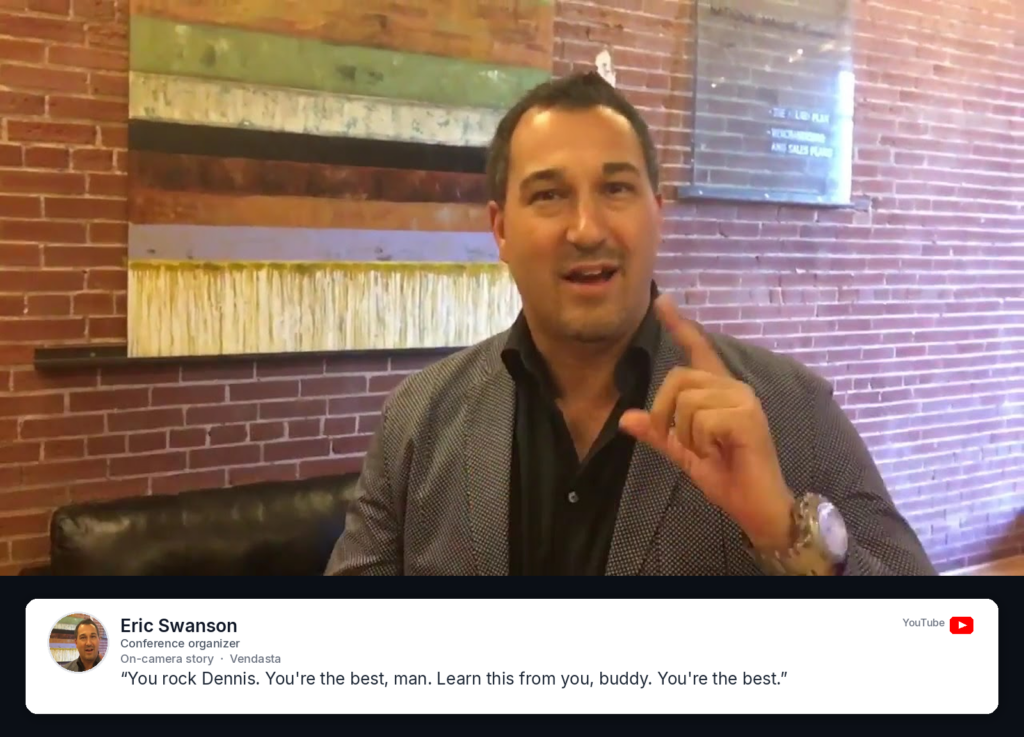
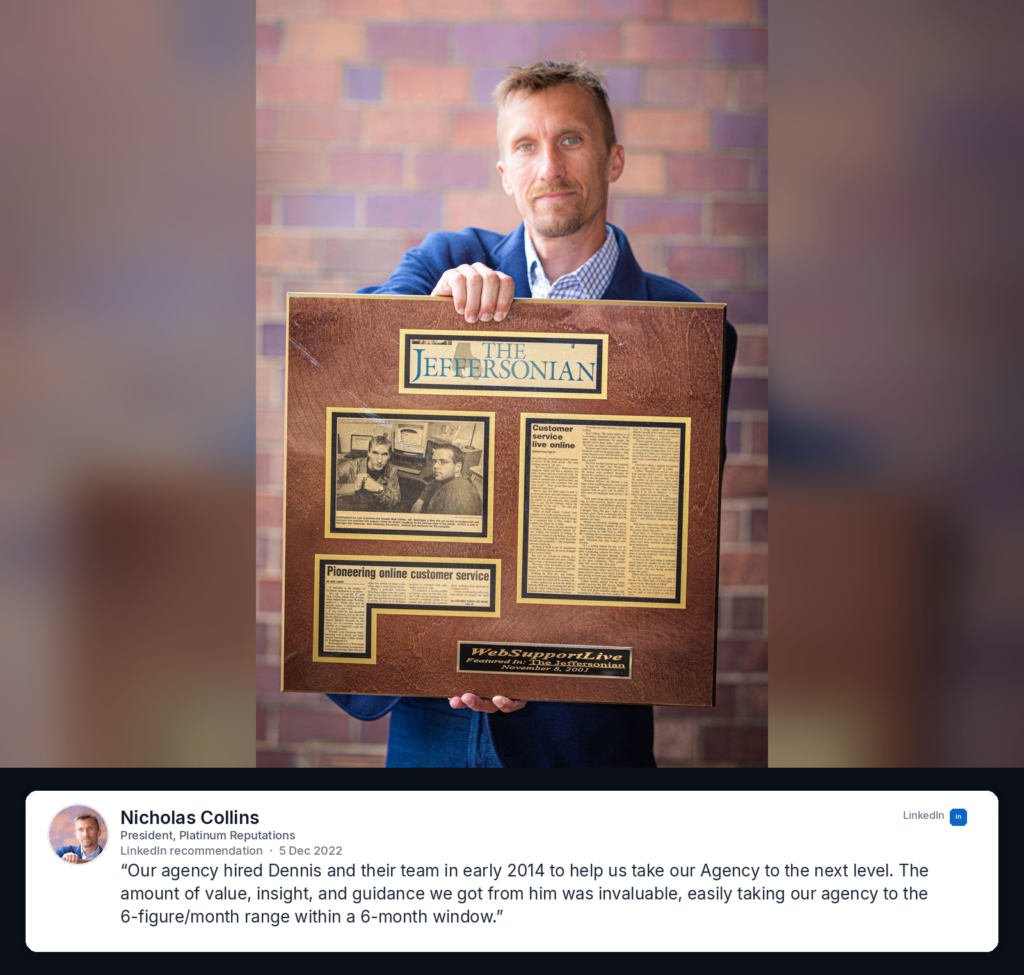
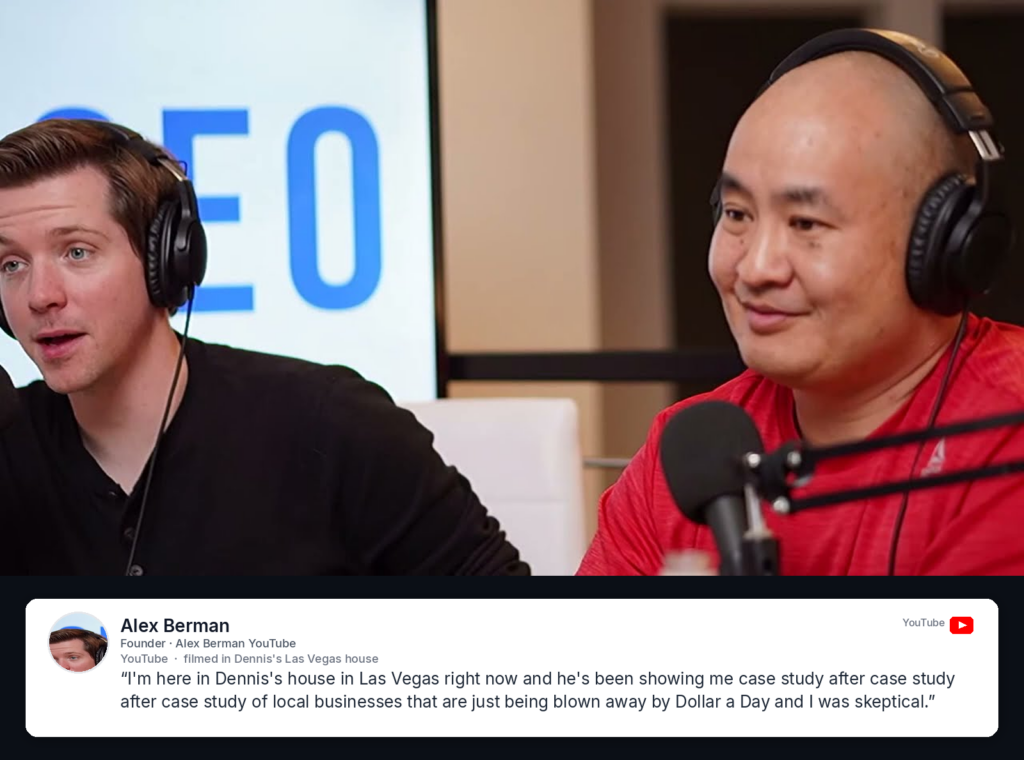
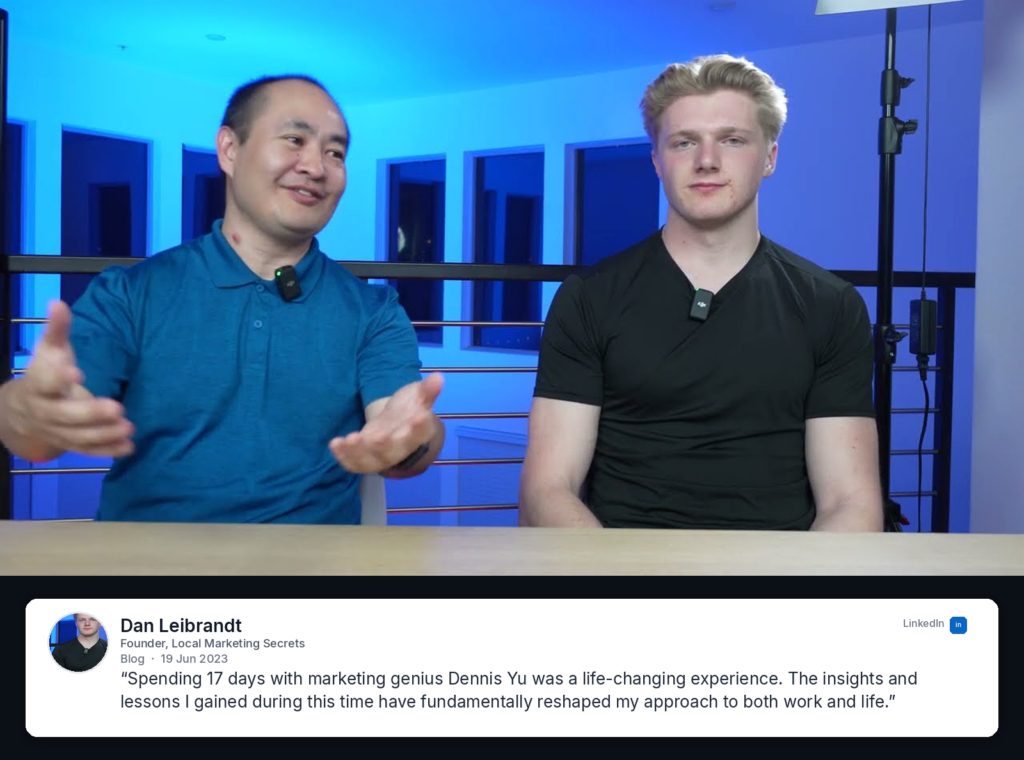

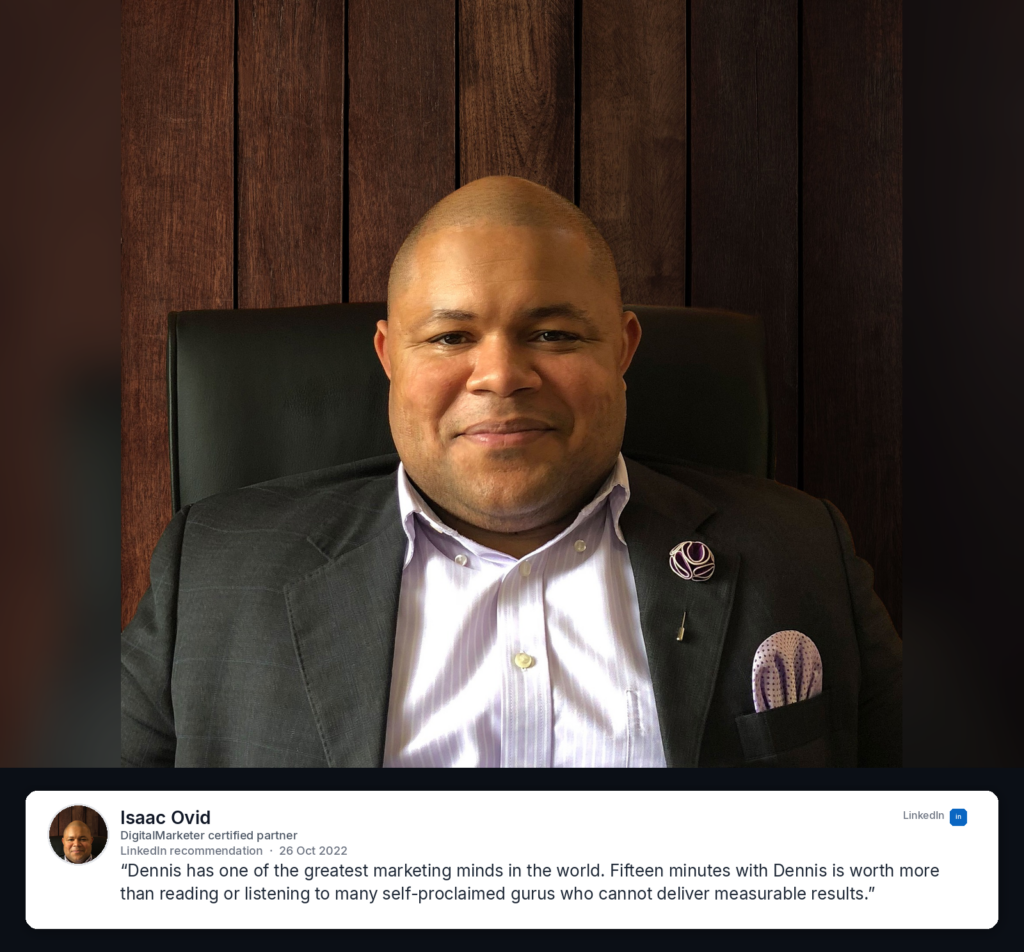
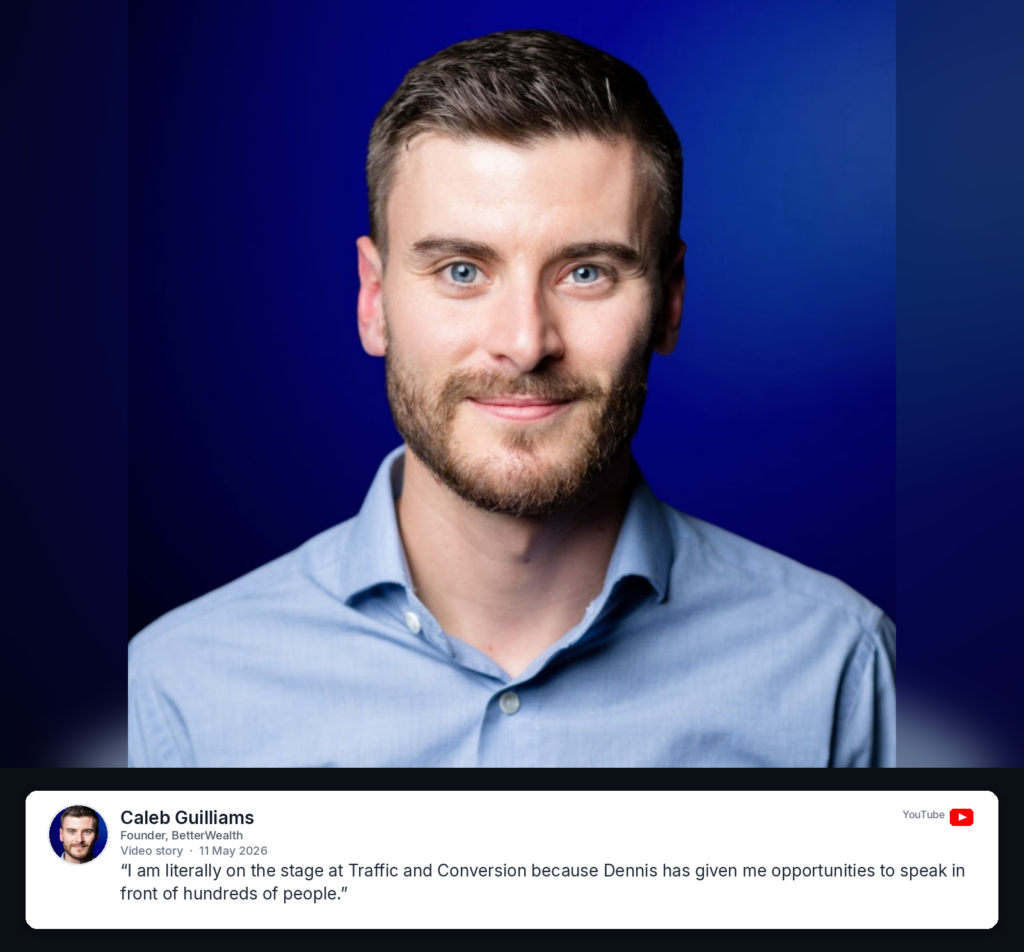


Faces were the bottleneck, not quotes
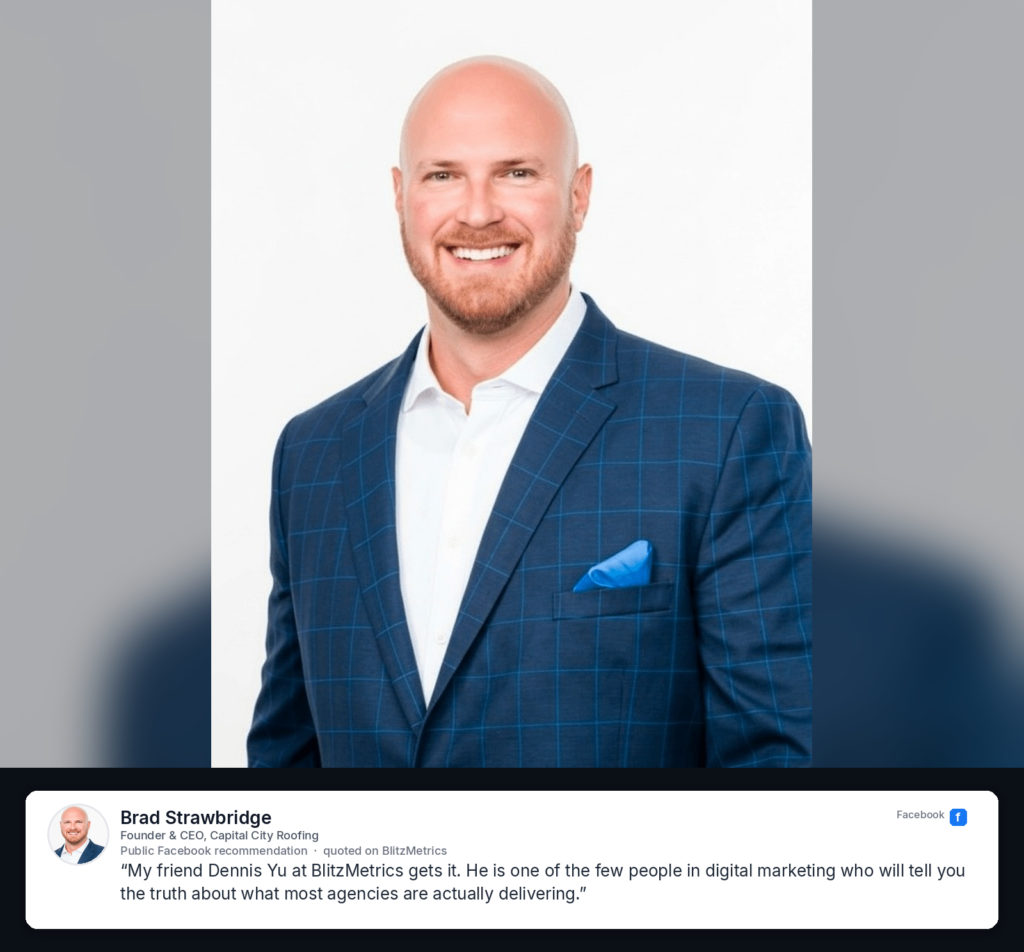
Step 4 of the method covers fixing wrong photos. On this run that was the entire job. Sourcing quotes took an afternoon. Matching faces took days.
Three failures kept coming back. A photo that fits the topic instead of the person, like putting someone on a rally truck because their quote mentions a rally. A photo of the wrong person entirely, which happens the moment two cards are in flight at once. And a real photo of the right person that’s 95 pixels wide and turns to mush the second you scale it.
Some cards never shipped at all. The quote was good, public, sourced, and there was simply no usable photo of that person to put above it.
Gold quote and a wrong face means you hold the card. That stopped being a debate once it was a rule.
We stacked instead of overlaid
The method says words over the photo. For a wall read top to bottom, we stacked. Photo in full in its own band, white quote card underneath. Nothing covers the face.
Same width, same chrome, every card.
A wall should read as one system. Mixed layouts read as a folder of one-offs.
Where they go
A footer strip wastes all of them. Each card goes beside the claim it backs.
Speaking mentions next to the speaking offer. Result mentions next to the case studies. Teaching mentions next to the training pages. Company mentions on company pages, personal mentions on the personal site.
Match the speaker to the audience. A mention from someone respected in home services belongs on the page selling to home services.
What I’d tell you before you start
Log the mention before you build the image. URL, who said it, date, topic, authority score, where it’s going. A folder of images with no log is an archive nobody can pick up.
Split the subjects. Person and company are two runs, not one.
One card per person. Strongest sentence wins.
Budget for faces, not quotes. Expect to hold cards.
Pick the layout at card one, before the batch. That’s what makes a set read as a wall.
Let the smaller wall stay small.
You already have these mentions. The only question is whether you’re collecting them.
Originally published .
Dennis Yu
Dennis Yu is the CEO of Local Service Spotlight, a platform that amplifies the reputations of contractors and local service businesses using the Content Factory process. He is a former search engine engineer who has spent a billion dollars on Google and Facebook ads for Nike, Quiznos, Ashley Furniture, Red Bull, State Farm, and other brands.
Dennis has achieved 25% of his goal of creating a million digital marketing jobs by partnering with universities, professional organizations, and agencies. Through Local Service Spotlight, he teaches the Dollar a Day strategy and Content Factory training to help local service businesses enhance their existing local reputation and make the phone ring.
Dennis coaches young adult agency owners serving plumbers, AC technicians, landscapers, roofers, electricians, and believes there should be a standard in measuring local marketing efforts, much like doctors and plumbers must be certified. He has appeared on 353 podcasts with 619 credited episodes — see the full list of his podcast appearances.