

On October 13, 2025 we logged into Ahrefs and saw the chart from hell: the number of keywords BlitzMetrics.com ranks for appeared to drop off a cliff. Our usual spread of top‑50 positions shrank to just 392 keywords, of which 22 terms rank 1‑3, 93 rank 4‑10, 54 rank 11‑20, 125 rank 21‑50 and 98 rank 51+.
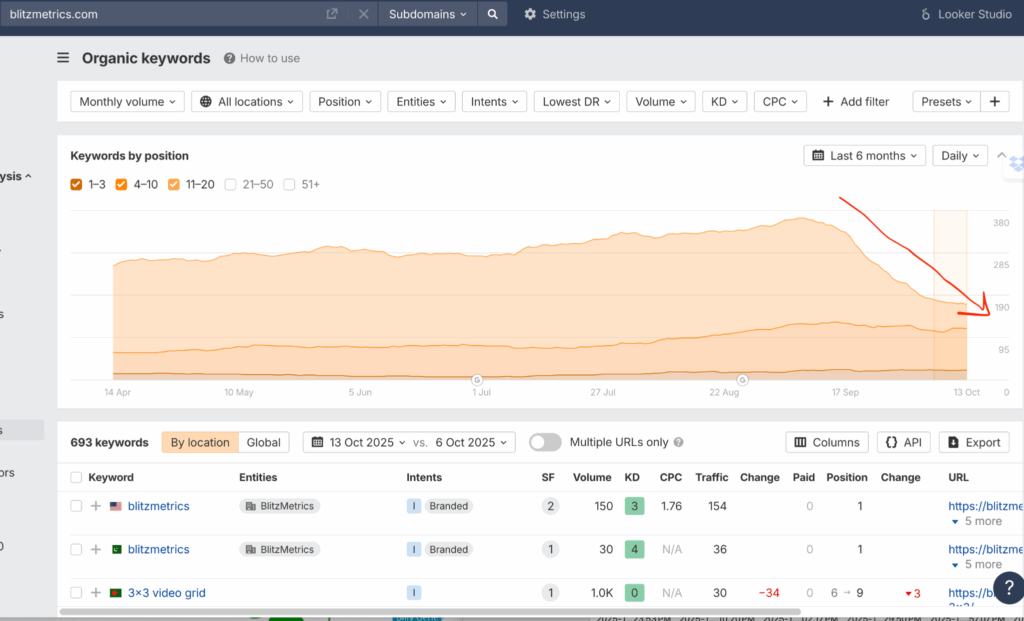
125 rank 21‑50 and 98 terms fall outside the top 50. In one week our numbers looked like they had been nuked.
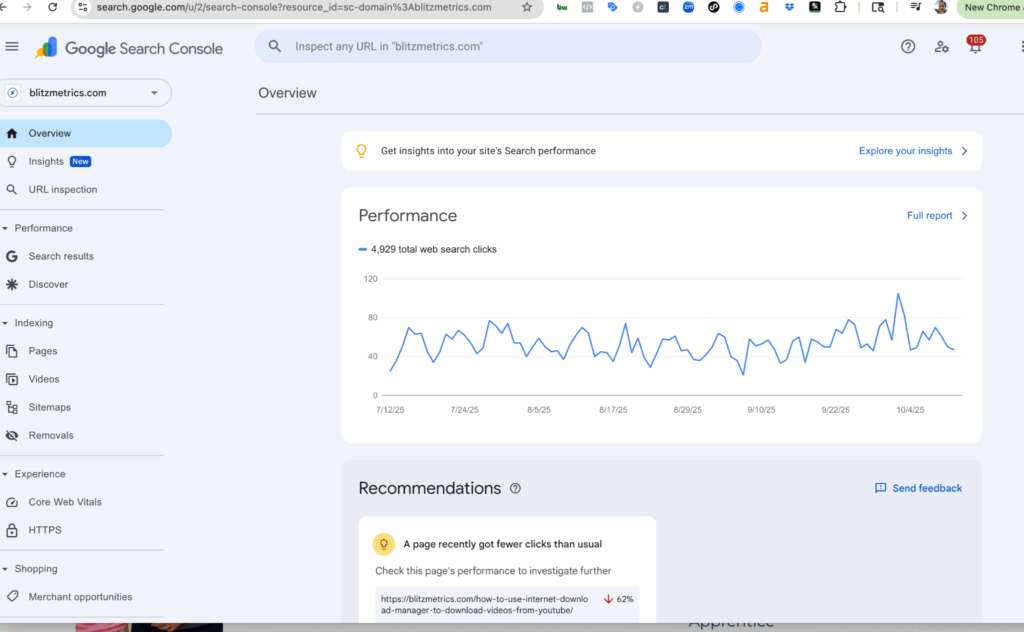
If you only look at Ahrefs’ Organic keywords tab, it’s easy to think you’ve been hit by a penalty or algorithm update. But when we checked Google Search Console (GSC), it told a very different story. GSC showed 4,929 total web search clicks over the last quarter, with no sudden nosedive. In the last 28 days we’ve seen 1.67k clicks
That’s up 21% compared to the previous period on 171k impressions, which only fell because Google is showing fewer low-quality long-tail results. In other words: our real organic traffic is steady or growing.
So what’s going on? The culprit isn’t an SEO catastrophe—it’s a change in how Google renders search results and how third‑party tools scrape them. In September 2025 Google quietly disabled the &num=100 parameter, which used to let tools like Ahrefs fetch 100 search results at once. Ahrefs confirmed that this parameter “no longer functions as it had previously” and that the change reduces the number of results they can check beyond the first page. In other words, rank‑tracking software can still see the first page of results, but pages ranking 11–50+ are now invisible to them. Your rankings didn’t disappear—your rank‑tracking data did.
Here’s the evidence:
- Ahrefs shows a cliff drop because it can’t see beyond page 1 of the SERPs. Keywords that used to show up as positions 11‑100 are now counted as “not found,” artificially shrinking your keyword portfolio. The top‑10 numbers can jiggle as well because the tool is sampling fewer SERPs.
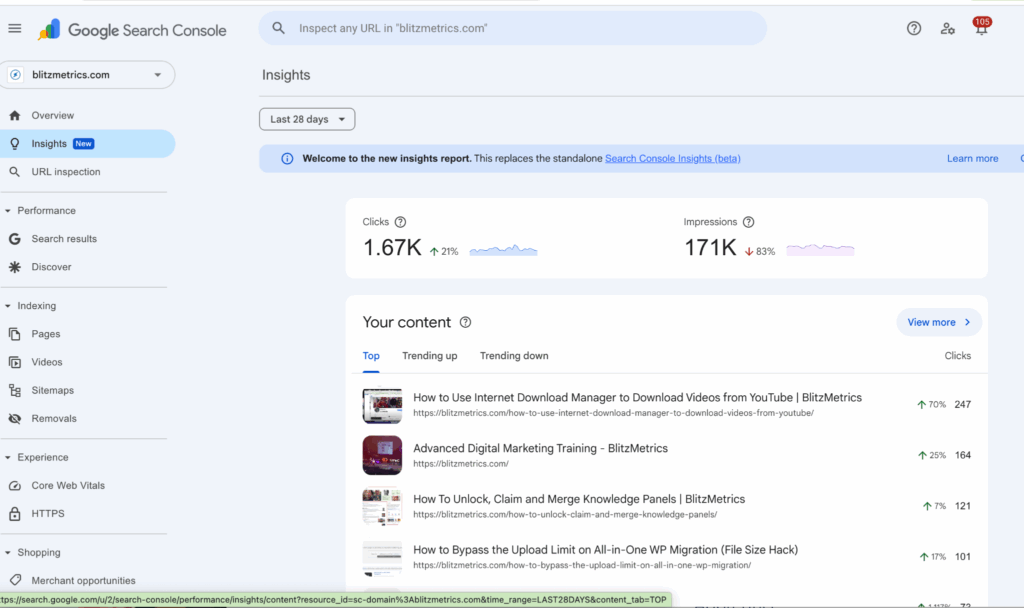
- Google Search Console tells the truth. When we cross‑checked, our clicks and impressions were stable or improving. There’s no sign of a penalty or massive ranking loss. We still earned nearly 5 k clicks and our top content—like our article on using Internet Download Manager to download YouTube videos—actually gained 70 % more clicks.
Why this matters
Tools are critical for SEO, but they’re only as good as the data they can fetch. Google’s change has impacted all major rank trackers. While Ahrefs is working on a workaround, the only source of truth for your site’s performance is Google Search Console (and your analytics). Don’t panic if your third‑party tool shows a plunge; check your real traffic and conversions before making drastic changes.
How to respond
- Use GSC as your baseline. Monitor clicks, impressions and average position over time. Look at which queries and pages are trending up or down to identify real issues.
- Continue improving your content. Google’s Helpful Content and EEAT updates mean quality, relevancy and expertise matter more than ever. Refresh and consolidate older posts, add value and prune thin pages.
- Watch for algorithm updates but don’t overreact. If you see a genuine drop in GSC, diagnose technical issues (indexing, site speed, mobile usability) and evaluate your backlink profile. Most swings are due to on‑page or off‑page factors you can improve.
- Keep learning SEO and AI. The search landscape is evolving quickly. Understanding how tools work—and their limitations—helps you make better decisions.
Learn SEO, AI and more through the HRI AI Apprentice program
Interested? Apply for the AI Apprentice program and join a community of driven learners working with real businesses. We’ll show you how to turn search data into leads and opportunities—without getting scared by a misleading chart.
At BlitzMetrics we don’t just fix our own SEO; we teach others how to do it. Our AI Apprentice training program on HRI trains young adults in SEO, content marketing, AI and related skills. You’ll learn how to audit sites, interpret data like the examples above, and use AI to streamline content production—while getting hands‑on experience that pays off.
This article connects to BlitzMetrics processes including SEO audit, one-minute video, SEO Tree. Each of these concepts has a definitive article that explains the full framework.
Dennis Yu
Dennis Yu is the CEO of Local Service Spotlight, a platform that amplifies the reputations of contractors and local service businesses using the Content Factory process. He is a former search engine engineer who has spent a billion dollars on Google and Facebook ads for Nike, Quiznos, Ashley Furniture, Red Bull, State Farm, and other brands.
Dennis has achieved 25% of his goal of creating a million digital marketing jobs by partnering with universities, professional organizations, and agencies. Through Local Service Spotlight, he teaches the Dollar a Day strategy and Content Factory training to help local service businesses enhance their existing local reputation and make the phone ring.
Dennis coaches young adult agency owners serving plumbers, AC technicians, landscapers, roofers, electricians, and believes there should be a standard in measuring local marketing efforts, much like doctors and plumbers must be certified.