

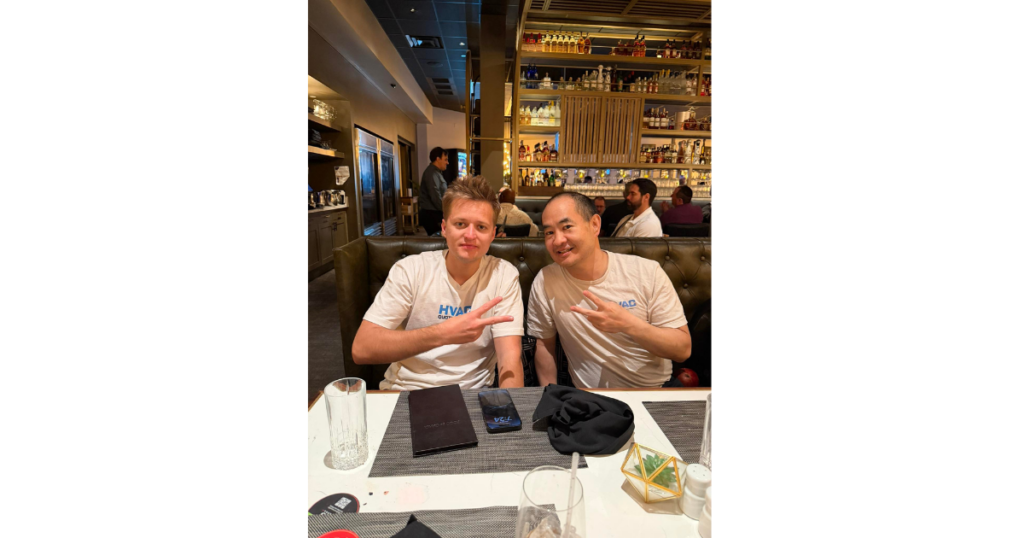
I recently sat down with Stasiu Sliva of S&C Digital, an agency that works with concrete, remodeling, and home service contractors. Stasiu runs a pretty comprehensive operation. His team handles Meta ads, websites, SEO, and even coaches contractors on closing deals. He came to me because he wanted to explore what AI agents could do for his agency, and the conversation we had is worth sharing because it reflects what I’m seeing across the industry right now.
Augmenting people, not replacing them
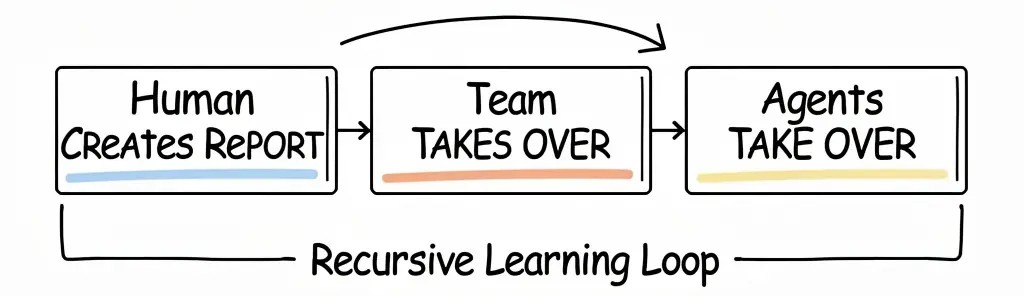
Stasiu wasn’t looking to gut his team. He was looking to make them better. That’s the distinction I keep having to make when I talk about AI in the agency world. We are not advocating for some kind of drop-in replacement where you fire your people and let a bot run everything. What we’re talking about is taking the mechanical, process-driven work that doesn’t require strategic thinking or client interaction and letting agents handle it, while your people move into higher-value roles.

When I asked Stasiu about his current setup, he was honest about where things stood. He has a strong ads operation. When a client signs on, they get results because his team knows how to run Facebook ads for contractors. On the SEO side, he knew there was room to improve, and he wanted to build a proper system rather than keep patching things together. That kind of self-awareness is exactly what separates agencies that evolve from agencies that get left behind.
How we build agents inside your agency
The approach we take in the AI Apprentice program starts with documenting what’s actually being done today. You need a real baseline. Then we build agents against those SOPs, and the agency owns all of it.

The markdown files, the frameworks, the IP, it all belongs to them. If Stasiu sells his agency tomorrow, that IP goes with it. Nobody is locked into a single platform. The metadata lives independently, which means whether you’re running things through Claude, Gemini, or OpenAI, your processes are portable.
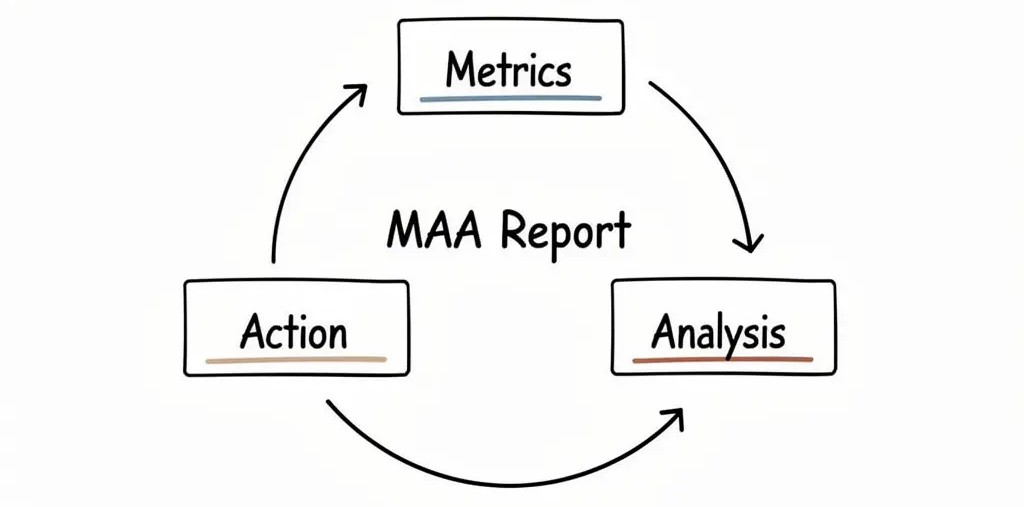
From there, we run a weekly feedback cycle. We call it the metrics analysis action report. It’s simple. Here’s what we built, here’s what’s working, here’s what we need to adjust. The people who submit that report every Friday succeed. The people who don’t, fail. It’s like going to the gym. You show up or you don’t.
Humans lead, agents execute
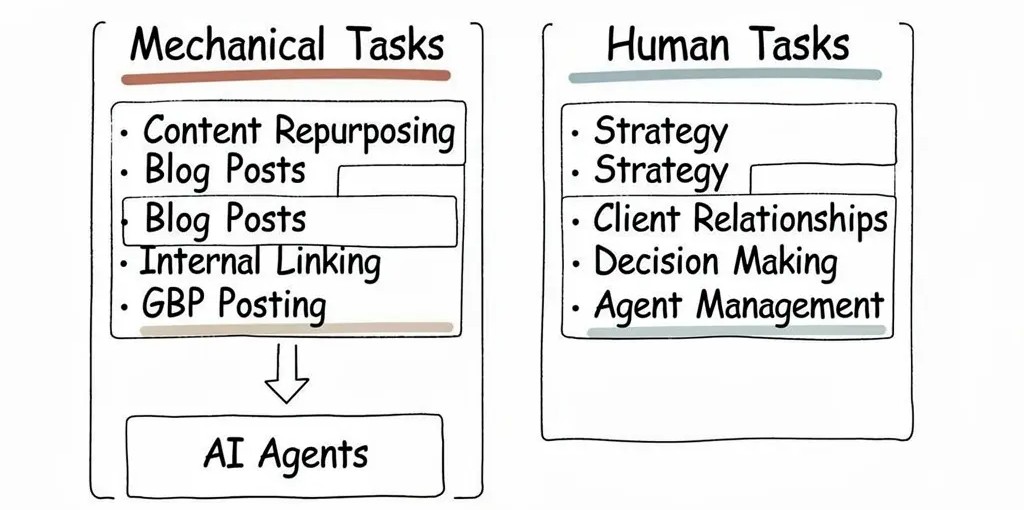
What I told Stasiu is something I tell every agency owner I work with. Some of your senior people, the ones who can think like managers, they stay and they manage the agents. The clients don’t need to know the difference. You’re doing a better job, you’re repurposing content, you’re writing blog posts, you’re linking things together. Humans should not be doing that mechanical work anymore. But the strategic thinking, the client relationships, the decision-making, that stays human.
Initially the human creates the report to set the example for the agent to follow. Then the team takes it over, and eventually the agents take it over. But it’s all documented on the agency’s side. That’s the recursive learning loop that makes this work.
Staying at the forefront
Stasiu also brought up something I hear constantly. He wanted to make sure he was staying at the forefront of what’s happening with AI, not just for himself but for his team. He said, “I don’t know what I don’t know, and I’ll pay to learn it.” That’s the right mindset. He’s planning to bring team members into the program alongside him so they can learn how to manage this new kind of workforce together.
People already doing this in the contractor space
Stasiu isn’t the only one moving in this direction. I coach folks like Marko Sipilä who runs CoatingLaunch and Danny Barrera, who both work with concrete and home service contractors.
Jeff Hughes runs an eight figure law firm and an eight figure agency and has multiple people going through the AI Apprentice program.
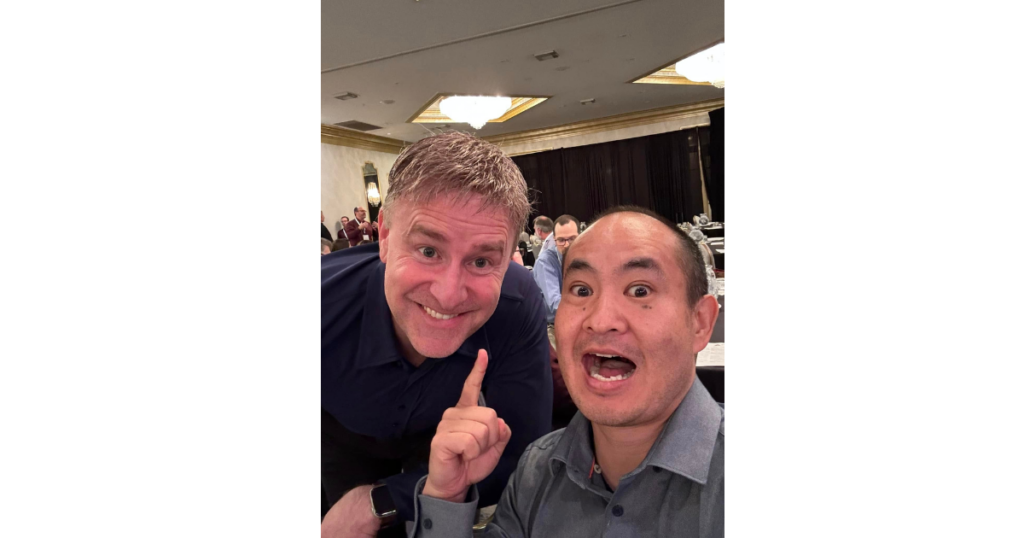
Even Yoast founder Joost de Valk has said WordPress is basically dead and he’s moved everything to Astra and SUSPENDED. Lance Bachman sold One SEO and now owns a bunch of roofing companies.
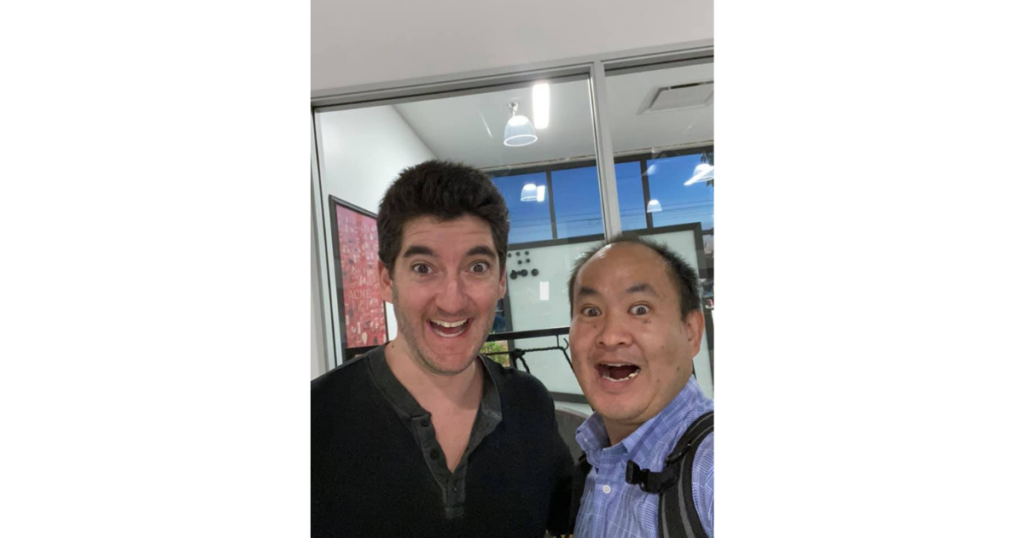
Erik Huberman recently came on my podcast to talk about how AI doesn’t replace people but augments them. These are all people who see the same thing and are acting on it now rather than waiting.
Why this matters now for local agencies
Here’s what I think most agency owners don’t realize. In local, you don’t have to do a lot to win. Most contractors aren’t even doing the basics. Half of them don’t have a proper business listing. They’re not collecting reviews. Their websites are thin. So when you have an agency like S&C Digital that can move fast, build AI-augmented operations, and serve more clients at higher quality with the same team size, that’s a structural advantage that compounds over time.
The window is closing
The agencies that figure this out now, in the next couple of months, are the ones that will be positioned for what’s coming. I’ve said it before and I’ll say it again. We have about a year. The agencies that are already comfortable outsourcing will eventually outsource to agents directly. The ones who build that capability in-house, who own their own agents and their own processes, those are the ones who survive and thrive.
Stasiu gets that. He’s not waiting for the “oh shit” moment. He’s building now. And his team is building with him. That’s not a story about any shortcoming. That’s a story about leadership.
S&C Digital is a contractor marketing agency specializing in concrete, remodeling, and home services. They are early adopters of AI-augmented operations through the AI Apprentice program.
Dennis Yu
Dennis Yu is the CEO of Local Service Spotlight, a platform that amplifies the reputations of contractors and local service businesses using the Content Factory process. He is a former search engine engineer who has spent a billion dollars on Google and Facebook ads for Nike, Quiznos, Ashley Furniture, Red Bull, State Farm, and other brands.
Dennis has achieved 25% of his goal of creating a million digital marketing jobs by partnering with universities, professional organizations, and agencies. Through Local Service Spotlight, he teaches the Dollar a Day strategy and Content Factory training to help local service businesses enhance their existing local reputation and make the phone ring.
Dennis coaches young adult agency owners serving plumbers, AC technicians, landscapers, roofers, electricians, and believes there should be a standard in measuring local marketing efforts, much like doctors and plumbers must be certified.