
 by
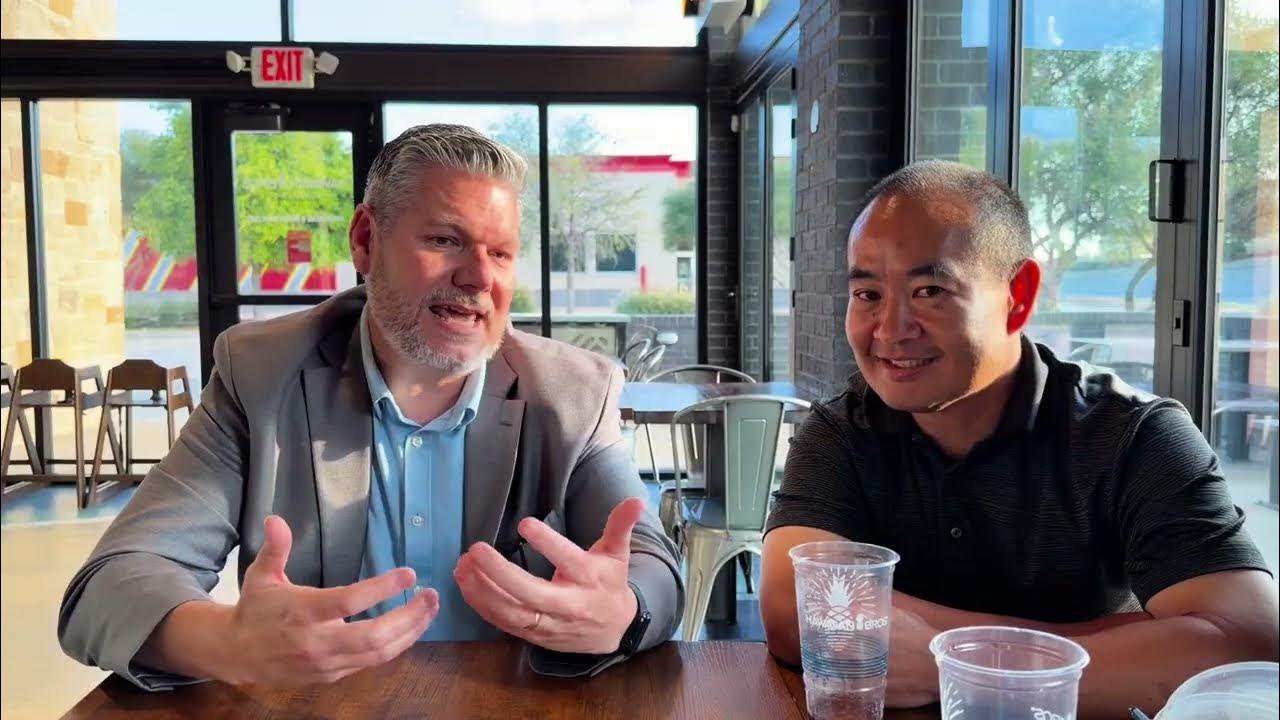
Expertise-led content begins with something a person has done, learned or observed. Pete Hazzard provides a clear example when he explains how he began writing a book and how his son, Cam Hazzard, helped him work with AI assistants and build a website.
The Athlete Spotlight interview with Dennis Yu starts with a father discussing his son’s dunking success. It also contains an educator’s account of writing, a family’s experience of mutual coaching and advice about supporting talented children. Each subject has a different reader.
Keep the experience at the center
Pete says people had encouraged him to write a book for about ten years. During COVID, he finally had time to work on it. His experience as a band director and fine-arts administrator came before the tools used to present his work online.
Cam helped him interact with AI assistants and build a website. Pete describes the aim as scaling what he was working on. Cam’s help connected that purpose to tools Pete could use.
For a publishing team, this sequence supplies a useful test: identify the experience and intended reader before choosing a format. A transcript gives the team source material to check, including details and language that should survive the editing.
Build a source map before expanding the article
A short interview can contain a strong story without answering every reader question. The editor’s next job is to identify what is missing and locate relevant primary material. The recording supplies Pete’s perspective as Cam’s father. His own writing supplies more context about the leadership work Cam helped him bring online.
For example, Pete’s published book summaries explain how he connects the conductor’s podium to leadership, alignment and the use of time. That gives the website-building story a concrete subject. The project carries an educator’s existing ideas into another format.
Cam’s earlier account of building his personal-brand website adds a different piece: interviews were recorded before the team organized them into pages. It provides relevant history for his familiarity with the process. Keep that earlier event distinct from the later interview with Pete.
A source map can be simple. For each proposed section, note the question, the source that answers it and whether the passage will be a fact, a quotation or the editor’s practical application. If the source does not support the detail, omit it or keep the question open. This prevents additional length from quietly turning into additional invention.
Give each version a different job
The Content Factory framework connects source recordings to useful derivative content. A single conversation can support more than one article when the versions answer different questions.
Articles developed from those subjects need their own structure, examples and conclusions. Changing the headline on the same text would give readers little reason to visit another version. Local Service Spotlight’s account of learning across generations takes the practical collaboration as its central subject.
Before drafting multiple versions, write a one-sentence purpose for each. The five perspectives supported here lead to different reader tasks:
- Cam’s site: understand the family and character around an athletic result.
- Athlete Spotlight: help a parent discuss what support means to their athlete.
- Dennis’s site: examine how a mentor can also become a learner.
- Local Service Spotlight: help an experienced professional collaborate on a real digital project.
- BlitzMetrics: show an editor how to develop source material into useful, connected articles.
Each brief creates its own research requirement. A family piece needs the father’s specific memories. A practical business article needs a sequence someone can try. An editorial article needs decisions about evidence, attribution and links. More paragraphs repeating the same interview would leave those needs unanswered.
Dennis’s explanation of why context matters when representing someone’s brand is relevant here. It asks operators to understand the person, purpose and audience before processing material. Apply that test before deciding that another site needs another version.
Make the source easy to inspect
Putting the interview at the top lets a reader hear Pete’s words and see the context. Links should then take the reader to a useful next piece: the person’s own site, a relevant explanation or another angle on the conversation.
Our separate Pete Hazzard website and SEO review covers implementation and measurement. This interview article serves a different purpose: showing how a real conversation supplies material for expertise-led content.
Use links to answer the reader’s next question
The SEO Tree framework connects specific stories with broader topics and related explanations. For this interview, Pete’s site helps a reader identify the educator. His books explain the work under discussion. A related article can develop one part of the conversation further.
Choose the link while writing the sentence. If the reader may want the family perspective, link the family article at that point. If they need a production method, link the method. Descriptive anchor text should make the destination predictable.
The practical check is whether the destination adds something the current page has not already delivered. Links among related sites can help readers follow real relationships and supporting material. Their search effect depends on relevance and other factors; a link count or domain score alone cannot establish business value.
Make the release as complete as the writing
A useful publishing handoff includes the reviewed body, intended title and byline, a suitable slug, description, category and tags. The source video belongs near the beginning, with a readable caption and a direct watch link. Its thumbnail should also identify the article in the blog listing.
Test the staged page on desktop and a phone. Check the actual player, headings, spacing, image and links. When several articles are being released together, activate their cross-links as the real destinations become available. A correct draft can still become an awkward or broken page inside a different site template.
After release, evaluate the article against its purpose. Useful signals may include relevant search visits, video engagement, clicks to a supporting resource or completed inquiries. Keep production evidence and audience results separate: finishing an article proves the asset exists; readers’ behavior shows what needs improving next.
Originally published .
Dylan Haugen
Dylan Haugen is a professional dunker, content creator, and editor at the Content Factory, where he transforms podcasts and interviews into strategic brand assets. He collaborates with Dennis Yu to support young entrepreneurs and business owners in building their personal brands through education, transparency, and effective content marketing. As the host of the Dunk Talk podcast and a dedicated advocate for establishing dunking as a recognized sport, Dylan combines athletic expertise, storytelling, and digital strategy to help elevate the next generation of creators.