

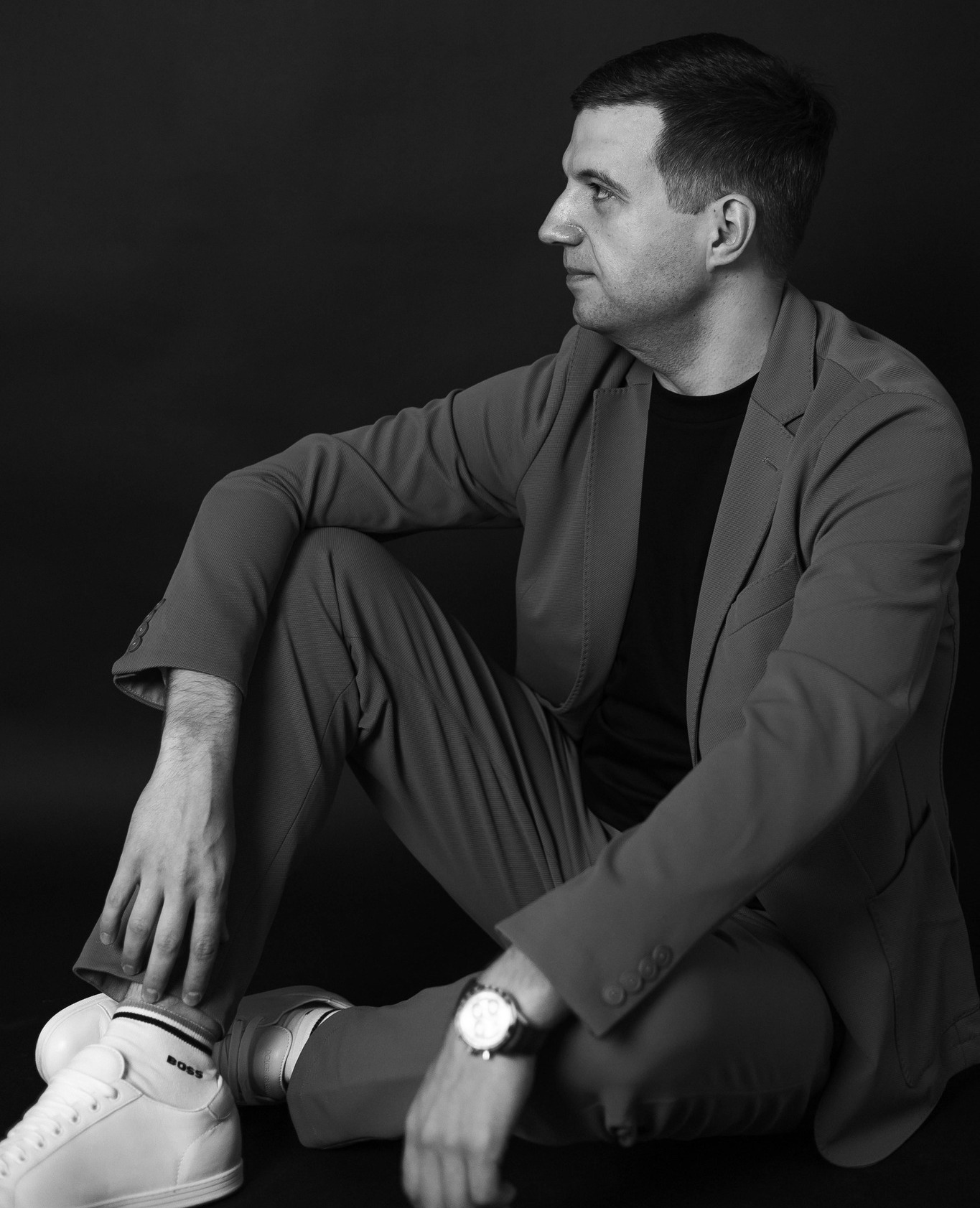
When I first met Igor Ivitskiy at Perry Marshall’s mastermind, I figured he’d be another math guy trying to dabble in marketing. Maybe good with spreadsheets. Maybe not so great with people. What I didn’t expect was someone who could look at a Google Ads account and find the profit leaks like he had heat vision. It was clinical and fast. No fluff, just clarity.
At Perry Marshall’s summit, I shared the stage with Liana Ling—the CEO of AdSkills—her insights on AI and Facebook ads are indispensable.
Igor has a PhD in math. Not a made-up one. A real doctorate in engineering from Kyiv Polytechnic, with over 200 research papers and 50 patents under his belt. He was deep in the academic game. Winning awards. Teaching in multiple countries. Running science conferences. But somewhere in that busy brain, he saw a better equation. One where building businesses through paid traffic had more upside than chasing citations.
He started experimenting with Google Ads back in 2006. Just small tests. But those small tests became a full-time obsession. He found ways to bring the same analytical discipline from his research into online advertising. And it worked.

Fast forward a few years. He’s managed hundreds of millions of dollars in ad spend. One campaign brought in over a million in revenue in four days. Another account had $13 million in monthly budget under his care. These aren’t numbers pulled from thin air. These are real campaigns with hard data and real profit attached.
Igor treats ads like experiments. He builds hypotheses, runs controlled tests, and doesn’t let opinions override what the numbers say. He once showed me how 60 percent of a client’s budget was being spent on search terms that never converted. Most people wouldn’t catch that. He did because he’s trained to look deeper.
He’s also a teacher. In Ukraine, he built a Google Ads training school that helped thousands of entrepreneurs get smarter about their marketing. His book, 19 Google Ads Secrets, doesn’t read like a recycled webinar pitch. It’s built from tests, case studies, and lessons learned while spending real money.

Igor moved to London recently. He set up Doctor Ads Ltd and joined one of Cambridge’s business programs to sharpen his leadership chops. He’s still running campaigns, speaking at global events, and helping others tighten up their ad strategy. In 2024, he won Best PPC Case at ADworld Experience. That’s not a small deal. That’s one of the biggest PPC stages in Europe.

He’s not loud about any of this. He doesn’t do fake scarcity webinars or flash his client logos like a NASCAR suit. He’s calm, funny, and very sharp. I’ve seen him explain complex targeting strategies without talking down to the room. That’s rare.
Also, he’s been through a lot. He left Ukraine during a war. Not because he wanted to travel, but because he had to keep building his future somewhere stable. He doesn’t ask for sympathy. He just keeps moving forward.
If you ever see Igor speak, take notes. If he offers advice, listen closely. If you run Google Ads, study what he’s doing. He doesn’t waste words or ad dollars. And in this space, both are valuable.
Dennis Yu
Dennis Yu is the CEO of Local Service Spotlight, a platform that amplifies the reputations of contractors and local service businesses using the Content Factory process. He is a former search engine engineer who has spent a billion dollars on Google and Facebook ads for Nike, Quiznos, Ashley Furniture, Red Bull, State Farm, and other brands.
Dennis has achieved 25% of his goal of creating a million digital marketing jobs by partnering with universities, professional organizations, and agencies. Through Local Service Spotlight, he teaches the Dollar a Day strategy and Content Factory training to help local service businesses enhance their existing local reputation and make the phone ring.
Dennis coaches young adult agency owners serving plumbers, AC technicians, landscapers, roofers, electricians, and believes there should be a standard in measuring local marketing efforts, much like doctors and plumbers must be certified.