
 by
by
A lot of my pilot friends tell me I fly more than they do. I’ve flown six and a half million miles, and along the way I’ve figured out how to fly like a boss without paying like one. Whether you’re a scrappy founder, a CEO, or a college student trying to make things work, these are tricks you can use right now.
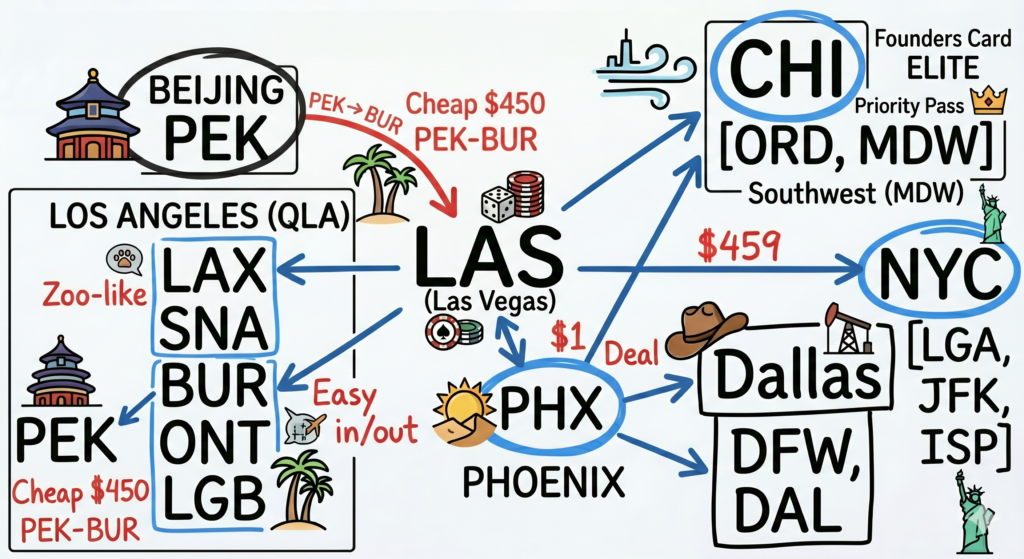
Most people search for flights into the main airport and stop there. That’s a mistake. Almost every major city has multiple airports, and the pricing between them can be wildly different.
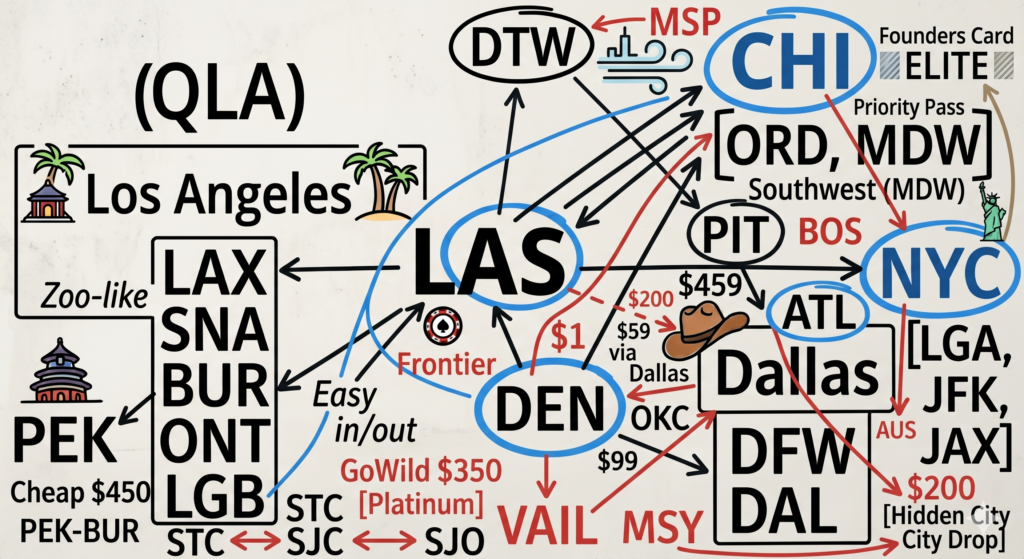
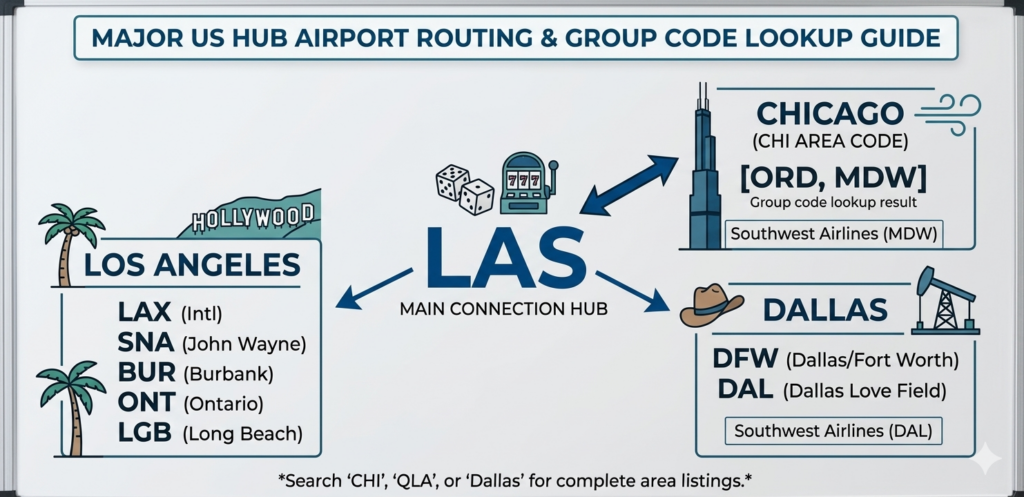
Los Angeles has five regional airports. LAX is a zoo, but you can fly into Burbank, John Wayne in Orange County, Ontario, or Long Beach and often save a lot. When I was in Beijing last year, a coach ticket to LAX was around $1,500. But a business class ticket to Burbank was $450. Same general destination, a fraction of the price.
The trick is to search using group airport codes. If you type “Los Angeles” or “Chicago” into most booking engines, they’ll show you all the area airports.
For Chicago, that means both O’Hare and Midway. For Dallas, you get DFW and Love Field. For New York, it’s LaGuardia, JFK, and Islip.

The hidden city trick
This one sounds counterintuitive. Sometimes a ticket to a city beyond your actual destination is cheaper than flying there directly.
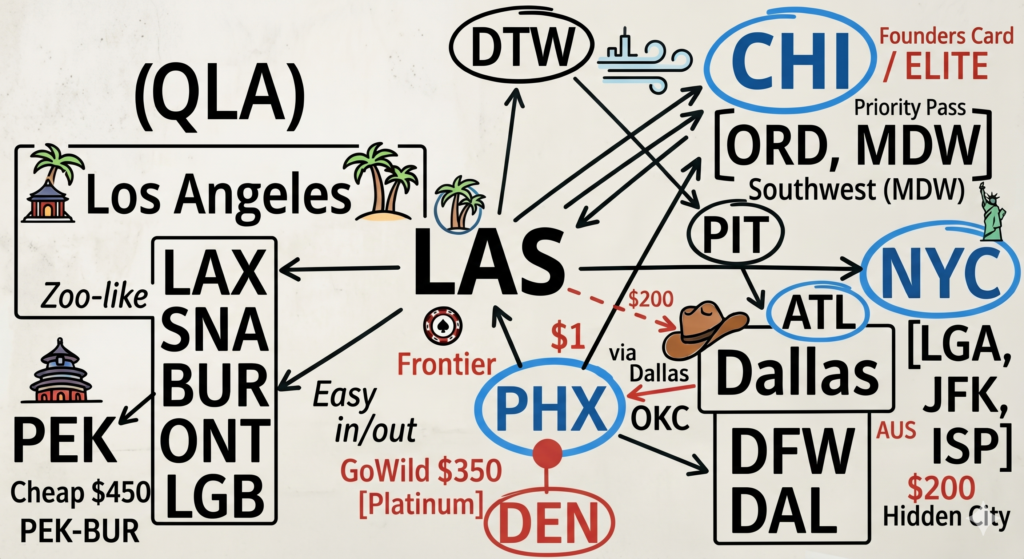
Last month I needed to get to Dallas from Las Vegas. A direct ticket was $469. But a ticket from Las Vegas to Oklahoma City, which connected through Dallas, was $200. So I bought the ticket to Oklahoma City and just got off in Dallas.
A few rules if you do this. Don’t check bags because they’ll go to the final destination. Don’t use your frequent flyer number. And don’t do it on a round trip because if you skip one segment, the airline will cancel every remaining segment on that itinerary. That’s why I almost always buy one-way tickets.
Split your trip across airlines
If you’re connecting through a competitive hub city like Denver, Atlanta, Dallas, or Vegas, you can often save by buying two separate one-way tickets on different airlines instead of one connecting itinerary.
For example, a ticket on one airline from Vegas through Denver to New Orleans might be $459. But if you buy a $59 Frontier ticket from Vegas to Denver and then a $99 United ticket from Denver to New Orleans, you’re paying less than half. This works because competitive hub cities have lots of discount options on that first or last segment.
The risk is that if your first flight is delayed and you miss the connection, the second airline won’t protect you. So factor that in when you’re deciding if the savings are worth a tight connection.
International trick: fly into a hub and switch airports
When flying internationally, I’ll often fly into a major hub like London Heathrow and then take a separate ultra-low-cost flight from a regional airport like Stansted to my final destination in Europe.
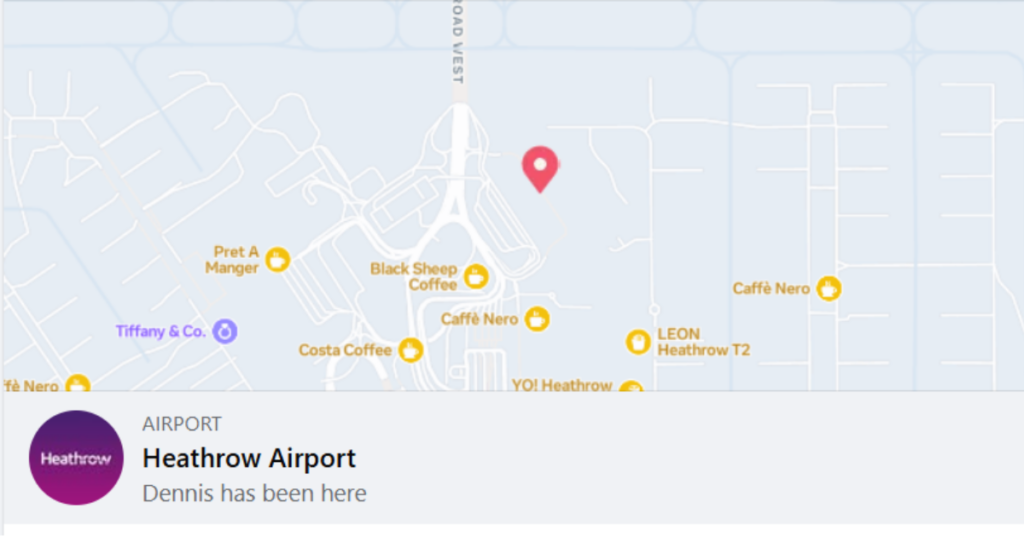
Instead of buying one expensive ticket the whole way, I’ll split it and save a few hundred dollars. If you were planning to spend a day in London anyway, it’s a no-brainer.

Airline lounges and status
I use Priority Pass to eat at airport restaurants for free and access lounges. Most credit cards offer some version of this, whether it’s Capital One, Chase Sapphire, or Amex.
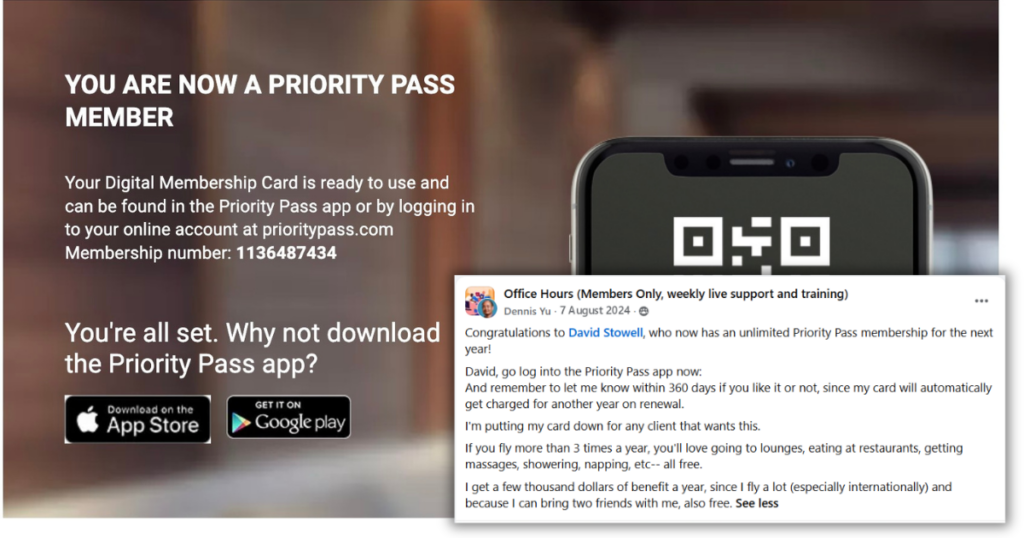
The lounges in the US are honestly not that impressive anymore, but internationally they’re incredible.
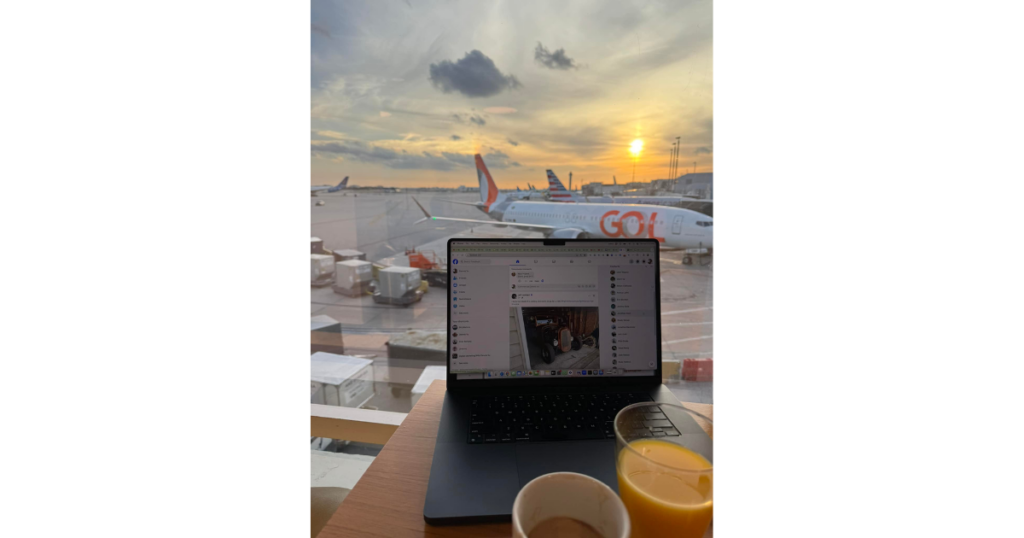
Istanbul has my favorite lounge in the world, with massages, chefs, showers, and pool tables.

For status, almost every airline runs status challenges where if you hit a spend or segment threshold within a few months, they’ll give you elite status through the end of the following year.
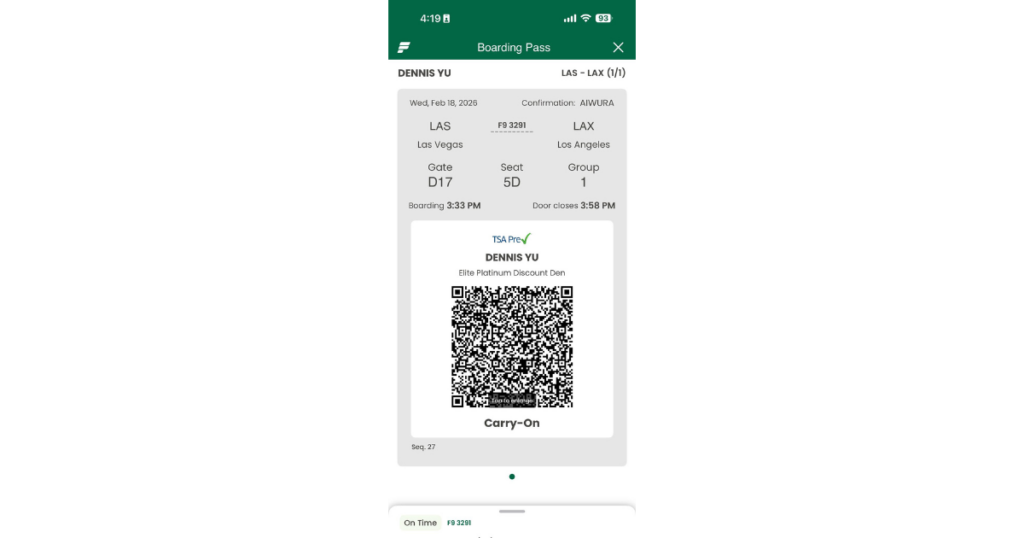
I did a Frontier challenge and earned Platinum through 2026, which gives me free bags, upgrades, and a companion who can fly free on any flight.
The Frontier Go Wild pass
A few times a year, Frontier sells a Go Wild pass for around $350 that covers 14 to 15 months of flying. You book the day before and pay about $15 per segment in taxes.
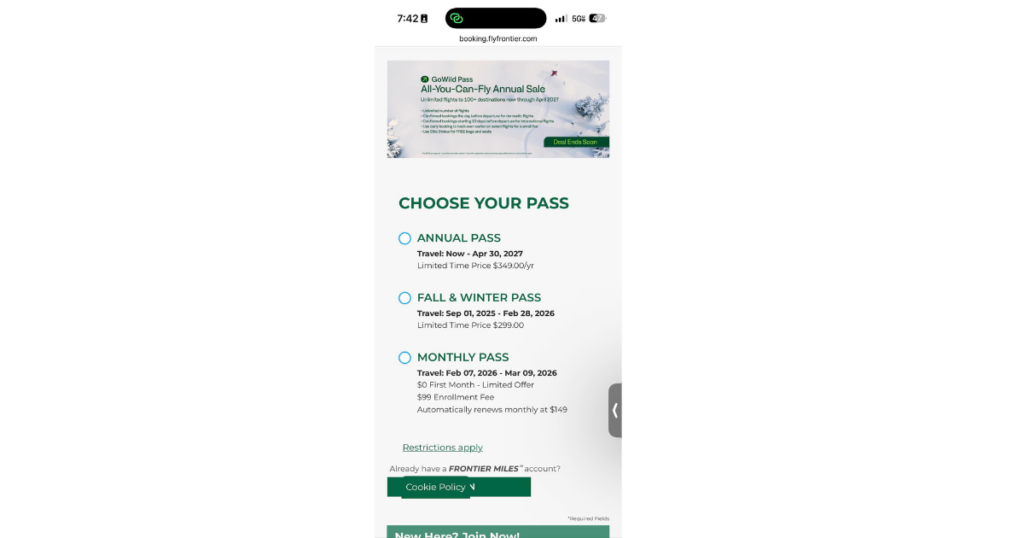
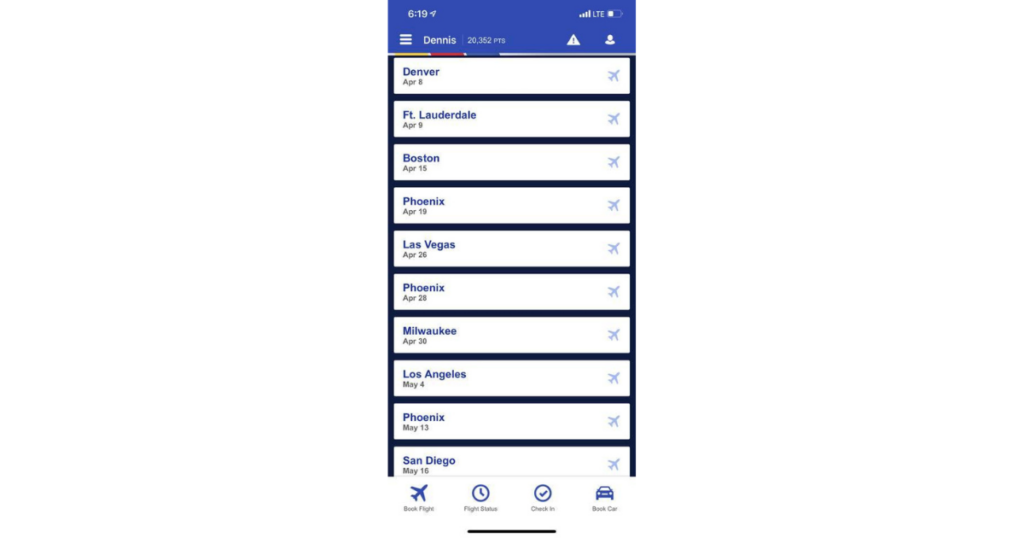
I’ve booked 10 segments in three days using this. If you’re flexible and don’t mind connecting through Denver, it’s one of the best deals in aviation.
I was telling Zach Peyton about this when we were in Jacksonville. Having Platinum on Frontier is like being told you throw really well for a girl. But the savings are real, and the companion pass makes it even better.

George Paladichuk of Use Nail told me last year that he couldn’t afford to fly to visit clients as a college student. So I put him on my Frontier companion pass and we flew to Atlanta together both ways. Cost him nothing. I paid the $15 in taxes, and that was it.
What to do when flights get canceled
If your flight gets canceled or seriously delayed, do not stand in line at the gate. You’re competing against 120 other passengers for the same remaining seats. Instead, immediately rebook through the app or call the airline’s number. If you have status, you’ll get through faster.
Also, know your alternative airports. When my flight from LA to Dallas got canceled, I took an Uber to Ontario Airport 50 minutes away and caught a direct flight that still got me to my conference on time. Knowing the nearby airports and being willing to pivot is a huge advantage.
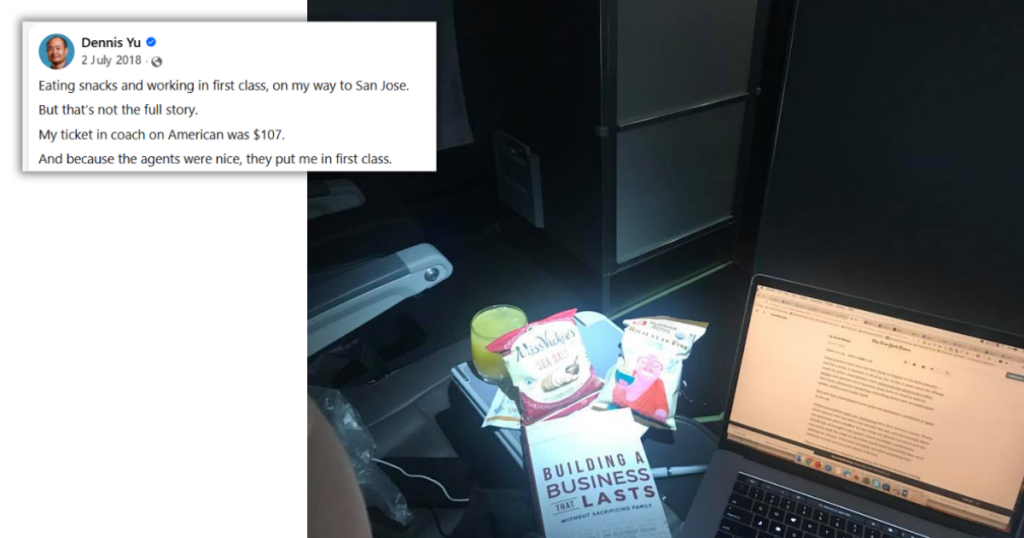
And one last thing. Be nice to the crew. A bag of M&M’s for the flight attendants goes a long way. I’ve seen people get bumped to first class just for being genuinely kind. It doesn’t always work, but it never hurts.
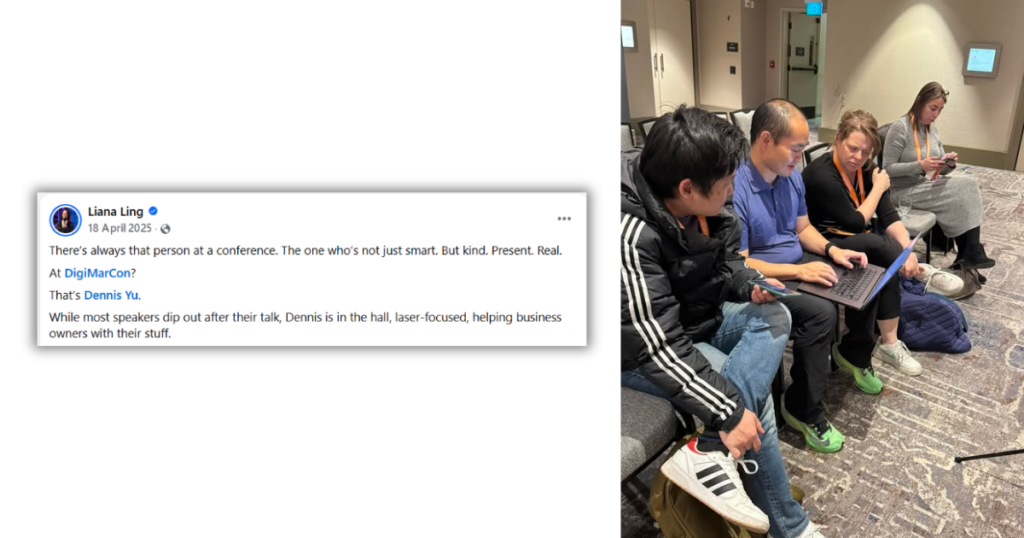
I hope you found this useful. If you’re doing real marketing, you have to meet people in person. You have to press the flesh, close the deals, and show up at the conferences.
These travel tricks help make that possible without burning through your budget. I’m Dennis Yu, your Marketing Mechanic, and I’ll see you in the next episode.
Originally published .
Dennis Yu
Dennis Yu is the CEO of Local Service Spotlight, a platform that amplifies the reputations of contractors and local service businesses using the Content Factory process. He is a former search engine engineer who has spent a billion dollars on Google and Facebook ads for Nike, Quiznos, Ashley Furniture, Red Bull, State Farm, and other brands.
Dennis has achieved 25% of his goal of creating a million digital marketing jobs by partnering with universities, professional organizations, and agencies. Through Local Service Spotlight, he teaches the Dollar a Day strategy and Content Factory training to help local service businesses enhance their existing local reputation and make the phone ring.
Dennis coaches young adult agency owners serving plumbers, AC technicians, landscapers, roofers, electricians, and believes there should be a standard in measuring local marketing efforts, much like doctors and plumbers must be certified. He has appeared on 353 podcasts with 619 credited episodes — see the full list of his podcast appearances.