
 by /
by /
Digital marketing agencies are dying, just like the neon signs of the Hard Rock Hotel in Las Vegas. What was once an icon is now a relic. The same thing is happening to the traditional agency model, and AI agents are the reason why.
If you are a home service business owner or a digital agency owner, this shift affects you directly. In the next 12 months, AI agents will be able to do much of the work that agencies currently charge thousands of dollars for, and they will do it cheaper, faster, and more transparently.
How the agency model really works
To understand why agencies are dying, you need to understand how most of them actually operate.
Digital marketing is a service that can be outsourced because it follows clear, repeatable standards. There are established ways to buy traffic from Google and Facebook. There are known best practices for building websites, optimizing Google Business Profiles, and setting up local service ads. Because these processes are standardized, they can be delegated, and that is exactly what happens.
Most agencies operate on a two-tier model. On one side, you have the salespeople. They are trained to close deals, book calls, and bring in clients. On the other side, you have the execution layer, the people who actually build the websites, run the ads, and post the content. In many cases, these two groups are completely separate.
The salespeople often have no idea how to do the actual work. And the execution layer is frequently outsourced to white label agencies that charge as little as $300 per month per service. So if a client needs SEO, Google Ads, and Facebook Ads, the agency might pay $900 in total for all three services and then charge the client $5,000 or more.
This is not necessarily malicious. It is simply the business model. But the markup is significant, and in many cases, the underlying work is not being done well.
The transparency problem
We have done hundreds of audits for home service businesses, and the pattern is consistent. When we ask to see what the agency actually did each week, there is rarely a clear answer. The reports are auto-generated. The ad accounts have not been touched in months. Quality scores are sitting at one, which is the lowest possible. Nobody is logging in to optimize anything.
In one recent case, a contractor named Donnivin Brown of Southern Comfort Heating and Air discovered that of the monthly fee he was paying for Google Ads, most of it was going into the agency’s pocket.
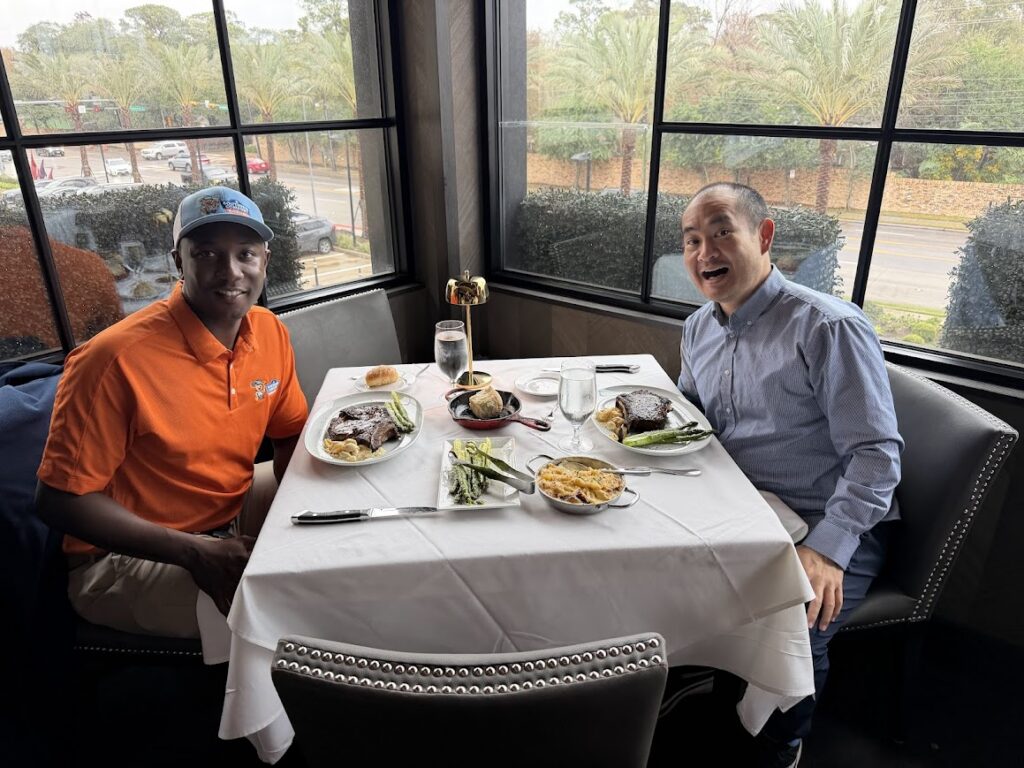
He did not even have access to his own ad account. When we looked at the change history, no one had made any adjustments in six months.
This is not an isolated case. A dental practice client spent $80,000 on an agency that claimed to generate over $100,000 in production, but he could not trace a single new patient back to their work. The Quick Audit revealed there was no working tracking in place, the SEO and PPC campaigns were poorly targeted, and the service pages lacked trust signals or clear calls to action.
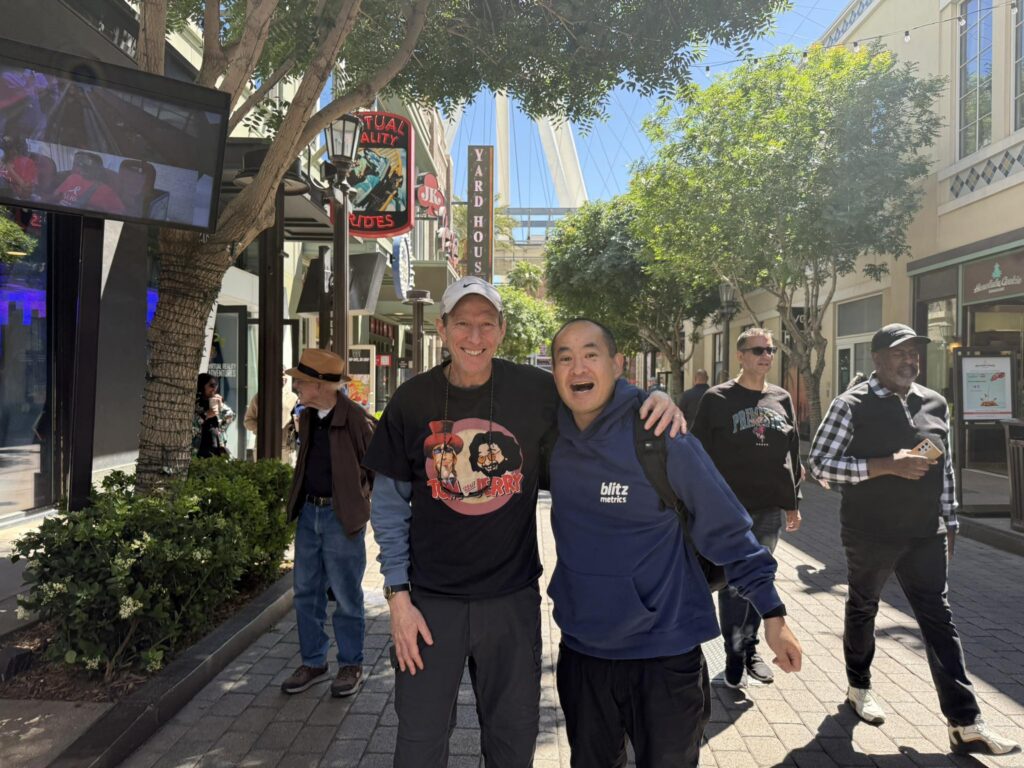
The real issue is that contractors and business owners often do not have the technical knowledge to verify what the agency is doing. They trust the salesperson because they seem credible, because a friend recommended them, or because they simply do not know who else to use.
Google and Facebook are squeezing agencies out
Google and Facebook have noticed this problem too. In private conversations, executives at both companies have expressed frustration with the agency model. Agencies act as intermediaries and try to keep as much of the client’s budget as possible, which means less money flowing to the ad platforms.
In response, both Google and Meta have started deploying their own AI agents to optimize campaigns directly. They are doing the work that agencies were supposed to do, because it is in their financial interest to make advertising more efficient and more accessible.
This is not a future prediction. It is already happening. The platforms are actively building tools that reduce the need for a middleman.
The hospital model vs. the car dealership model
Think about how a hospital operates. When someone shows up at the emergency room, there are no salespeople. Nobody is offering 50% off liver transplants. Instead, experts triage, diagnose, and treat based on real data and clear medical standards.
Now think about how a car dealership works. The salespeople in the front say whatever it takes to close the deal, and the mechanics in the back do the actual work. The two groups operate independently, and the customer pays for all that overhead.
Most digital marketing agencies operate like car dealerships. The sales layer adds cost, creates opacity, and often has no accountability for the quality of the work being delivered. The industry needs to move toward the hospital model, where decisions are based on data and expertise, not sales techniques.
What this means for home service businesses
If you are a plumber, roofer, HVAC contractor, electrician, or dentist, here is what you need to understand.
You can now use AI tools like Claude, Gemini, or ChatGPT to audit your own marketing. Give the AI access to your Google Business Profile, your Google Analytics, your CallRail data, and the reports your agency has been sending you. Ask it to tell you what is working, what is broken, and what is missing.
The technical barrier between your intent and your ability to win in your local market is collapsing. You no longer need to blindly trust an intermediary. You can inspect the data yourself, or have an AI agent do it for you.
The standard should be trust but verify. You should be able to trace revenue from your QuickBooks all the way back through ServiceTitan or Jobber, through your call tracking, and into the specific Google Ads, LSAs, or content efforts that generated those calls. If your agency cannot show you that chain, something is wrong.
What this means for agency owners
If you own a digital marketing agency, this is either a threat or an opportunity depending on how you respond.
The agencies that are growing right now are the ones that can prove their ROI. They are not relying on sales relationships alone. They are publishing what they do, sharing their processes openly, and letting clients see the results, good, bad, and ugly.
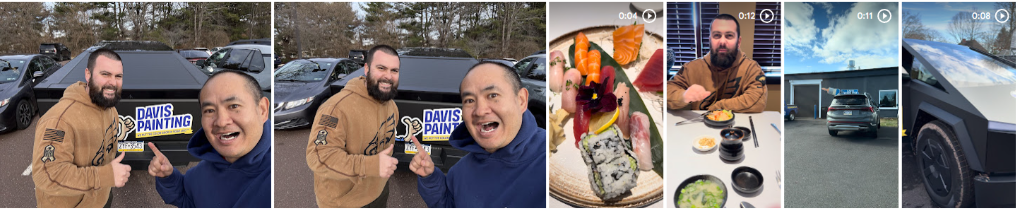
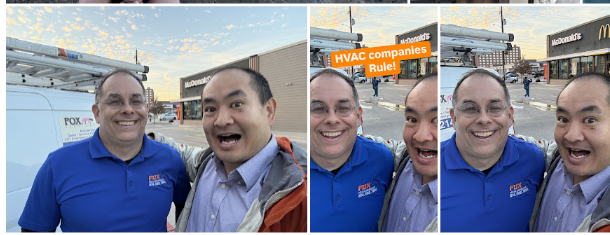
If you embrace AI agents instead of fearing them, you can use them to handle the repeatable execution work while you focus on what AI cannot do. Build real relationships with your clients. Go on job sites. Collect videos and photos of their crews doing great work. Help them build their brand and their EEAT signals, which is what Google actually rewards.

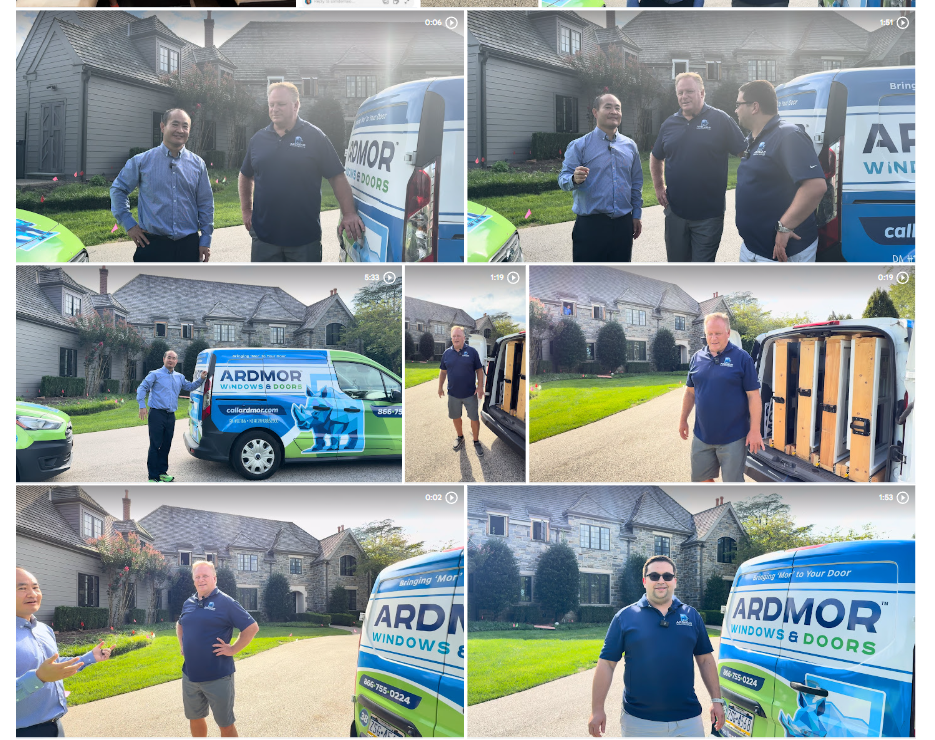
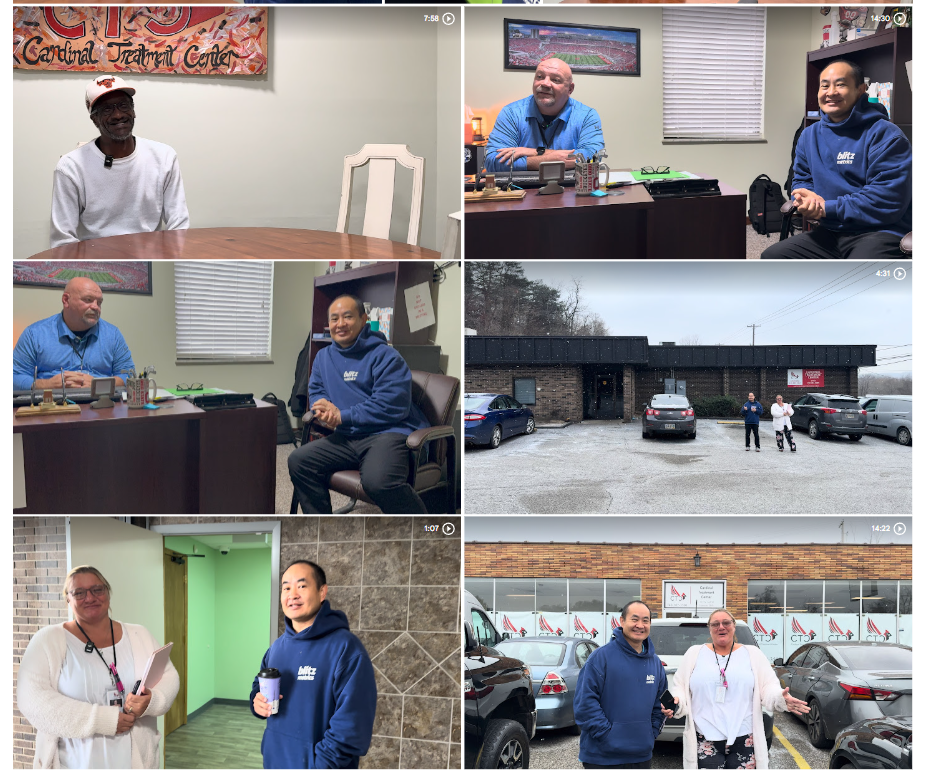

Document your SOPs. Train AI agents the same way you would onboard a new team member. Use them as a multiplier of the good work you are already doing.
The agencies that refuse to adapt, that keep relying on sales-driven models with outsourced execution and no transparency, will be gone within 18 months. That is not a guess. It is a pattern we are already seeing play out.
The opportunity ahead
Every economic disruption creates opportunity for those who are prepared. The collapse of the traditional agency model is no different.
For home service business owners, this means you can finally get honest, data-driven marketing without overpaying for layers of overhead that add no value. For agency owners, this means you can differentiate yourself by being transparent, results-driven, and AI-enabled.
The people who will win are the ones who stop being afraid of the audit and start welcoming it. The ones who document their processes, embrace AI agents as teammates, and focus on the human elements that no algorithm can replace, like trust, local expertise, and genuine relationships with customers.
The friction and complexity that used to separate business owners from effective marketing is being compressed down to almost nothing. You can speak your intent, apply proven SOPs, and let AI handle the execution.
The question is not whether this change is coming. It is already here. The question is what you are going to do about it.
This article connects to BlitzMetrics processes including SEO audit, Digital Plumbing, one-minute video, SEO Tree. Each of these concepts has a definitive article that explains the full framework.
Dennis Yu
Dennis Yu is the CEO of Local Service Spotlight, a platform that amplifies the reputations of contractors and local service businesses using the Content Factory process. He is a former search engine engineer who has spent a billion dollars on Google and Facebook ads for Nike, Quiznos, Ashley Furniture, Red Bull, State Farm, and other brands.
Dennis has achieved 25% of his goal of creating a million digital marketing jobs by partnering with universities, professional organizations, and agencies. Through Local Service Spotlight, he teaches the Dollar a Day strategy and Content Factory training to help local service businesses enhance their existing local reputation and make the phone ring.
Dennis coaches young adult agency owners serving plumbers, AC technicians, landscapers, roofers, electricians, and believes there should be a standard in measuring local marketing efforts, much like doctors and plumbers must be certified. He has appeared on 353 podcasts with 619 credited episodes — see the full list of his podcast appearances.