
 by /
by /
I’ve been doing technical SEO, digital, and website work for over 35 years. Every couple of years there’s a new thing that’s supposed to change everything. ChatGPT. AI answers in Google. TikTok. And every couple of years, the same pattern holds: the thing that actually moves the needle for a local service business isn’t the tech. It’s the brand.
So I sat down with Dan Antonelli, president and founder of KickCharge Creative. He’s been doing this for 30 years, has branded over 3,000 home service companies, and if you’ve ever seen a truck roll down your street that made you look twice, the odds are good it was his.
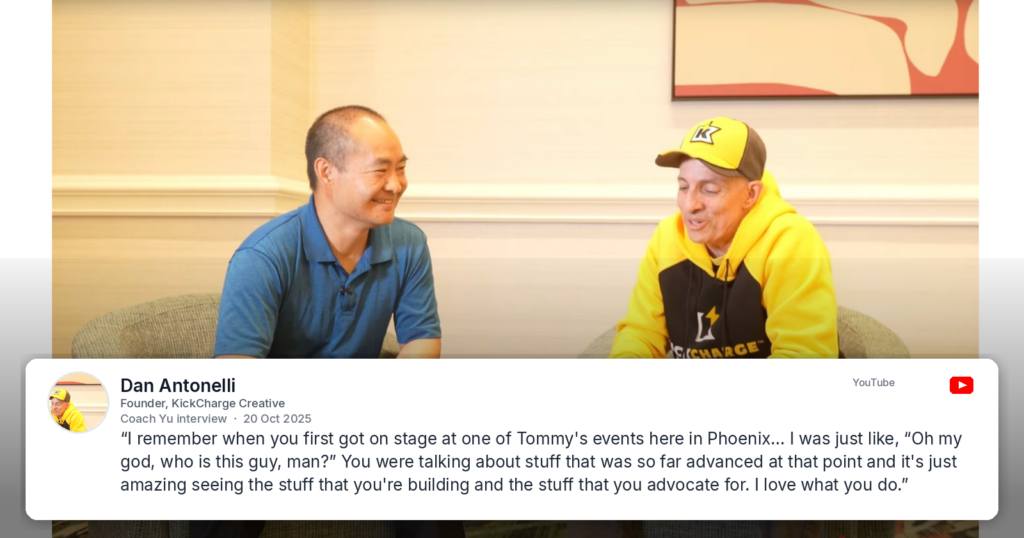
He has a name for what most contractors are stuck in. He calls it the bland tax.
What the bland tax actually is
A bland brand is one that blends in. Unremarkable. And Dan’s point is simple: the more unremarkable your brand is, the more you pay to market yourself.
That cost doesn’t show up as a line item. It shows up everywhere at once. More spend on paid ads. Weaker conversion rates on the website. Lower booking rates. Lower average tickets. Higher cost per click. Higher customer acquisition cost.
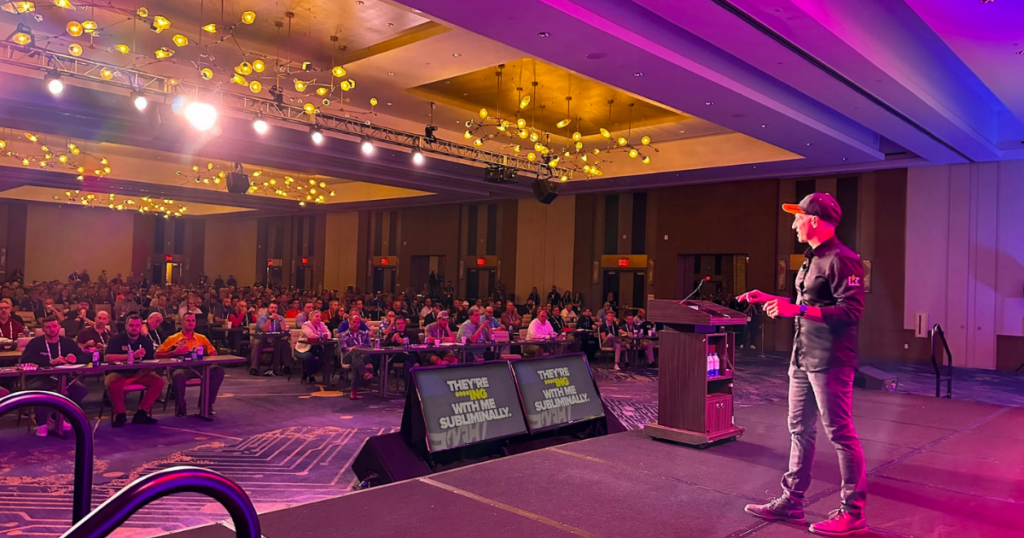
“The brands that don’t live in someone’s mind are the brands that cost way more to market,” Dan told me.
He put numbers to it. A digital marketing company he works with had 25 client websites using a KickCharge brand and 25 that weren’t. He asked them to run the comparison.
Branded keyword searches per month: 500 to 600 for the KickCharge brands. About 50 for the others. Ten times the difference.
Site conversion rate: 12% versus 6%.
That’s roughly 50 additional leads a month, acquired through branded search, which is the cheapest traffic you can possibly buy.
Here’s the version of this that stings. You’ve probably seen people in home service Facebook groups say you need to spend 10 to 12% of revenue on marketing to grow. Dan’s response: go look at the brand of the person saying it. A lot of his clients grow substantially at 5 to 7%, because they have a brand that’s sticky and memorable and communicates a promise before anyone picks up the phone.
Running ads on a weak brand is flooring the gas with the emergency brake on. The answer isn’t to press harder.
It’s a recruiting problem too
This is the part I think gets missed most.
Every contractor I talk to says the same thing: it’s impossible to find good people. Dan’s response is blunt. He looks at their brand and thinks, I wouldn’t want to work for you either. It doesn’t look like a place anyone wants to be part of.
A players want to work for an organization that looks like an A player organization. People want to wear the shirt and be proud of it. The weaker the brand, the higher your recruiting costs, on top of everything the brand is already costing you on the marketing side.
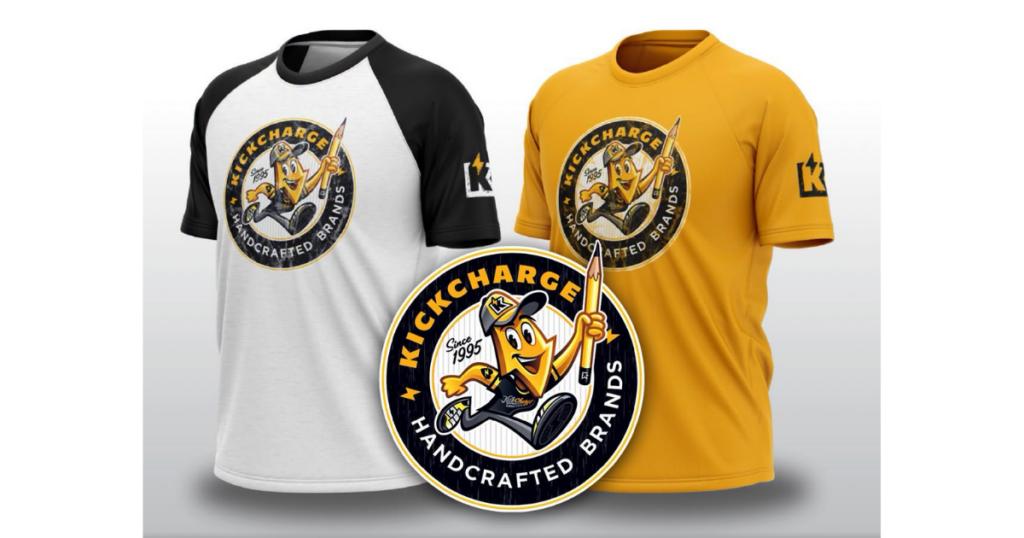
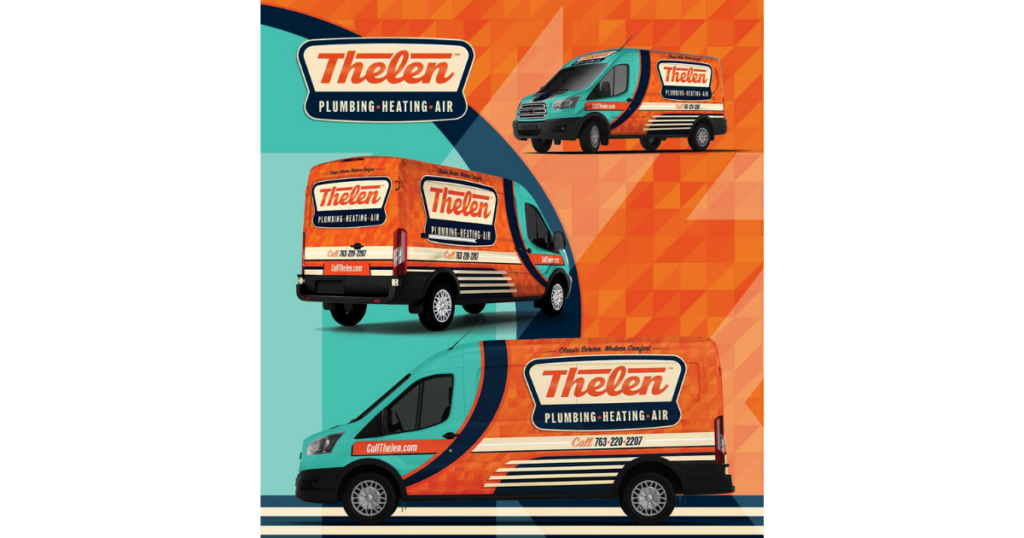
Your vans are your number one ad asset
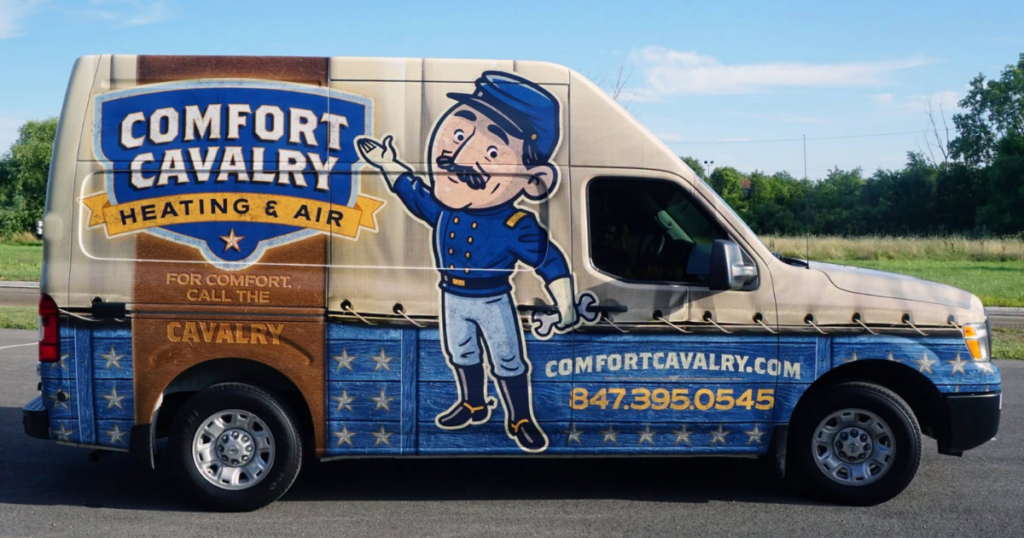
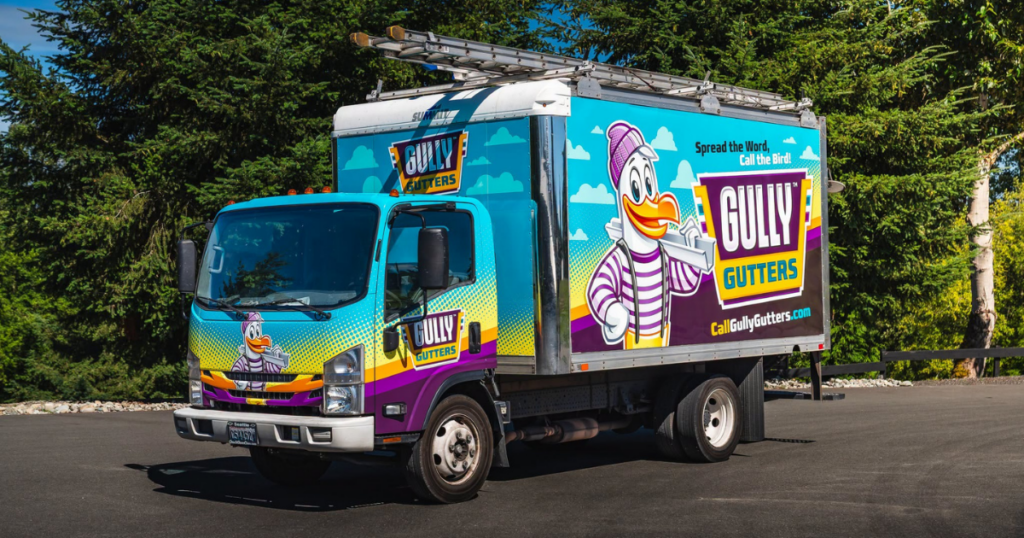
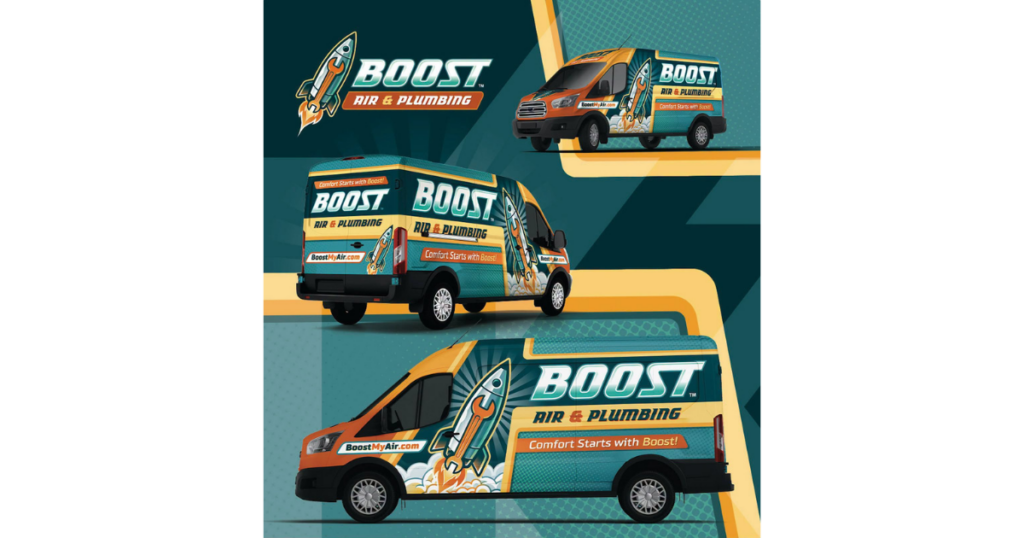
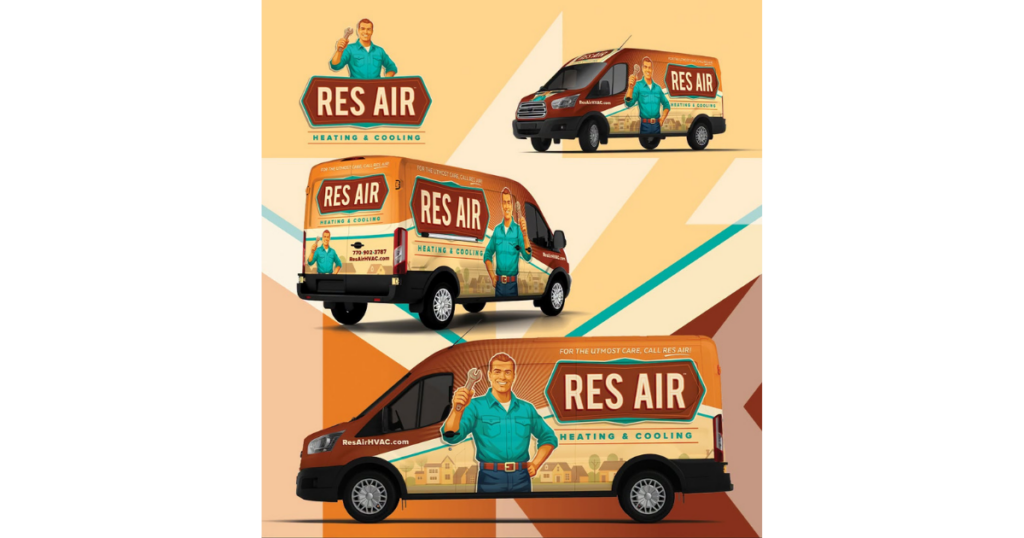
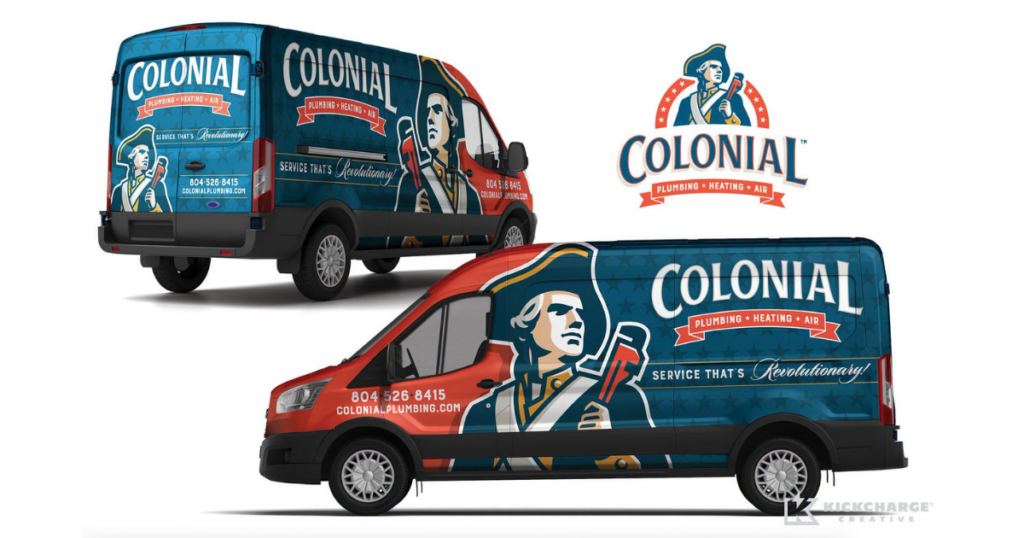
Those trucks are mobile billboards sitting in driveways and parking lots all day in the exact neighborhoods you serve. The question Dan asks is: what does the homeowner think they’d get if they hired you, based on the truck alone?
Roughly 80% of home service purchasing decisions are made by women. So the follow-up question matters even more: what does she think? What does she feel?
Which brings up the mascot problem. A lot of owners are men, and they want branding that reflects them. So you get muscled mascots, rhinos, bulldogs, lions, scorpions.
Dan’s take: Mrs. Jones is already nervous about who’s coming into her home. Why would you make that worse? Aggressive, hyper-masculine branding puts her on the defense immediately. Everything on that truck should be signaling that whoever shows up will be respectful, honest, and trustworthy.
He told me about Mastin’s Plumbing, a client in Oklahoma. The owner was in a store wearing his branded shirt when a woman walked up to him and said she’d been driving behind his van, and the image made her think of a time when contractors were honest and trustworthy. She connected with what the truck was telling her.
Next time she needs a plumber, is she typing “plumbing company near me” into Google? Or is she typing “Mastin’s”?
That’s the whole game. That’s what renting space in someone’s head looks like.
Here’s a quick test Dan suggests. Google “roofing company logos,” or whatever trade you’re in. If your logo looks like the ones that come up, you’re blending. You’re paying the tax.
Your name might be the problem
The chapter on naming is the longest one in Dan’s book, because naming is the first thing so many businesses get wrong on day one and then spend a lifetime working around.
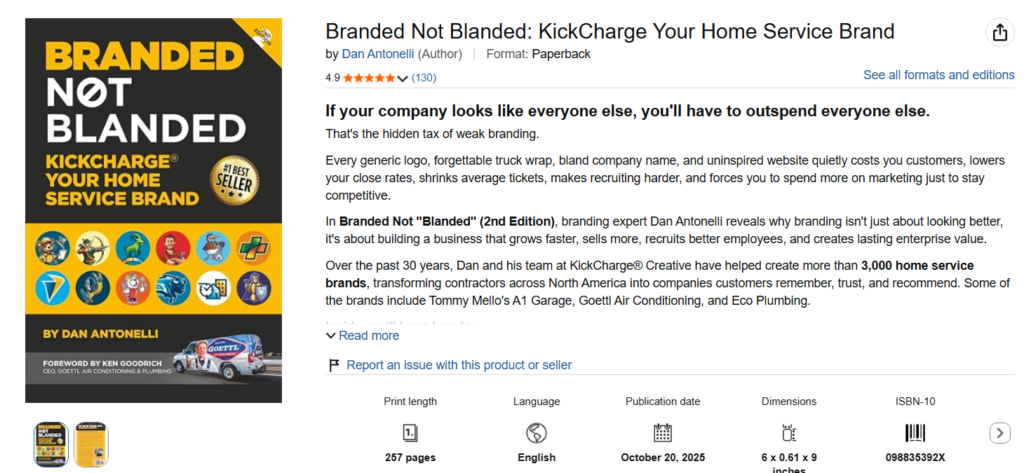
His hierarchy of bad: initial-based names are the worst thing you can name a business. Last-name-based brands are second worst. Then names people can’t pronounce, can’t spell, or that run too long.
The issue with all of them is that they don’t communicate a promise. If your name says nothing, the only way to attach meaning to it is years and years of paid advertising. If your name already says something positive, expectations are set before you ring the doorbell.
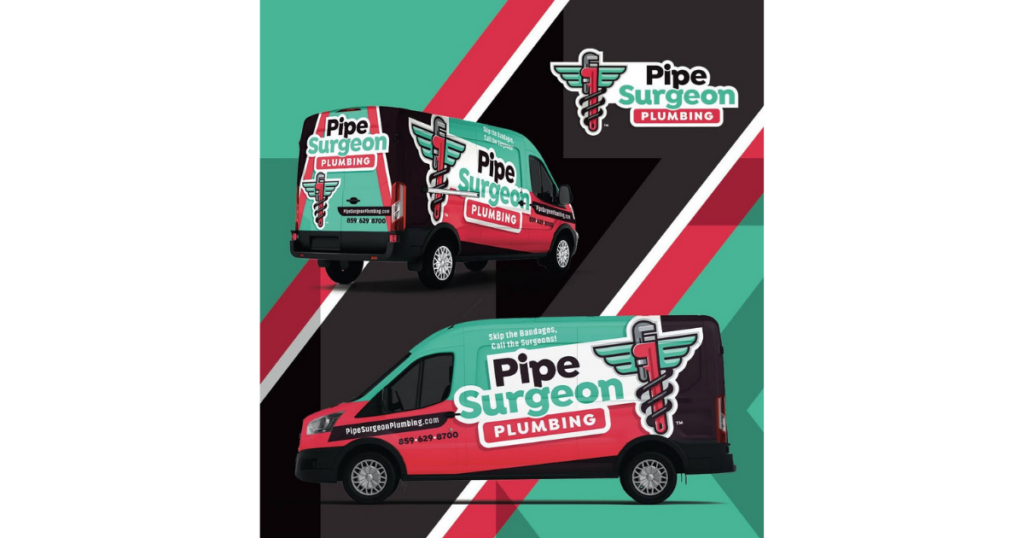
Ask yourself: if someone knew nothing about my company except its name, what would they assume they were getting?
When to rebrand
The honest question is whether the brand you built years ago represents what you’ve become.
You started scrappy. You bootstrapped. That’s fine, that’s how it goes. But what you deliver today should be dramatically better than what you delivered ten years ago. Does the brand reflect that, or does it still look like the version of you that was figuring it out?
Dan calls the resistance to changing it warm blanket syndrome. The brand got you here. It’s meaningful to you. But the question isn’t whether it’s meaningful to you. It’s whether it’s meaningful to the person you’re selling to.
Tommy Mello is the case study. He came to Dan to rebrand A1 Garage Doors when he was at $30 million in revenue. Nobody rebrands at $30 million. But he knew the brand had stopped representing the service they delivered, and more importantly, that it couldn’t take him where he wanted to go. A1 is around $300 million now, a few years post-rebrand. Tommy ended up investing in KickCharge.

Aaron Gaynor at Eco Plumbers did the same thing at $43 million. He’s pushing north of $70 million about a year and a half later.
The craft in that Tommy rebrand is worth noting. His original colors were black and red. Dan’s read: masculine, not soothing, doesn’t feel premium. But there was too much red equity on the existing fleet to throw away. So he kept the red and introduced dark brown and ivory to soften it, make it feel more premium, and make it land better with women. He also checked that nobody else in those markets was using that combination, so A1 would own it.
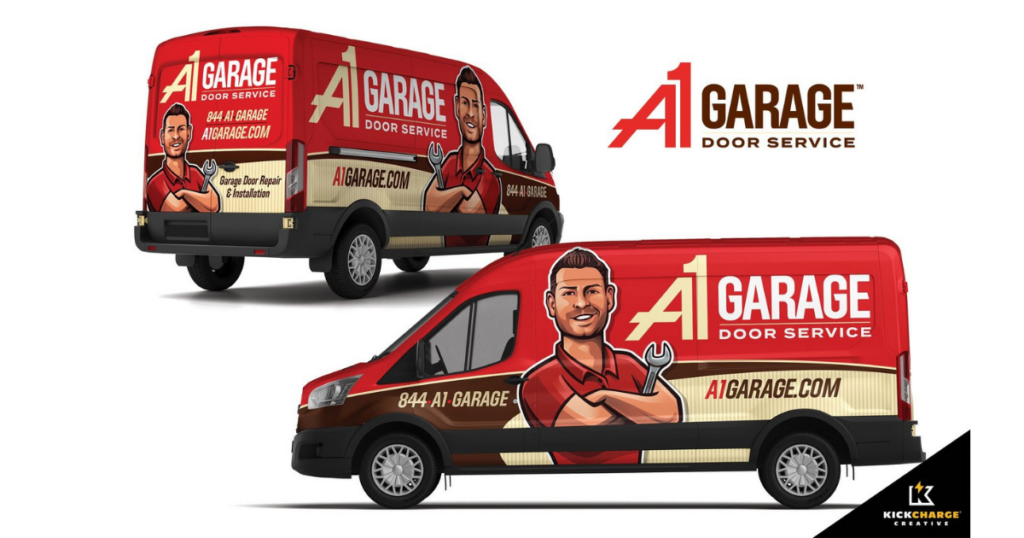
Sometimes a rebrand is a revolution. Sometimes it’s an evolution. The call depends on how much equity is actually sitting in the old brand.
And on cost: the most expensive logo you’ll ever buy is the one you pay the least for. The $50 Fiverr logo doesn’t save you money. It just moves the cost into your ad spend, your conversion rate, and your recruiting, every month, forever.
You can’t AI your way out of a bad brand
I emceed an AI conference recently. Backstage, talking with the other speakers, the people building the actual tools said the ones getting ahead in AI are the most personable, the most human, the best storytellers. Not the most technical.
Dan sees the same thing. The more artificial everything gets, the harder people swing back toward what’s real. Being in the community. Showing your techs on the roof. Meeting people face to face.
“You cannot AI your way out of authenticity,” he said. If you have a bad brand and a bad reputation, no tool fixes that.
This connects to something he calls being five-mile famous. What would happen to your business if everyone within five miles of your home base knew you existed? Sponsor the Little League. Show up at the parade. Do the home shows. It’s slower and harder than writing another check to Google, which is exactly why most people don’t do it. But it amplifies everything you’re doing digitally.
One related thing that drives me crazy: owners whose Facebook profile says no workplace listed. You own a home service business and you don’t want your community to know? How many friends do you have who need a plumber right now? Make a separate account for the political posts if you have to. But let people know what you do.
If the Colonel didn’t eat chicken, why would anyone trust KFC?
How you do this 3,000 times
I asked Dan how he scales it. Every day there’s a new brand on his Facebook feed and every one of them is good. How do you find enough people who can do that?
His answer: it’s hard, and he won’t pretend otherwise. Brand designers at that level are rare. Most graphic designers are not brand designers. Being good at graphic design is a different skill from understanding a client’s business, finding the story in it, and knowing how that story has to live on a truck, a website, a brochure, and a uniform all at once. Finding those people is the single biggest constraint on the business.
What holds it together is a standard he’s kept for 30 years: nothing we do today is good enough for tomorrow.
He’s been at this a long time. He hand-lettered his first truck at 15 years old, a van for a plumber. He’s 55 now, so that’s 40 years of doing essentially the same thing and still refusing to call any of it finished.
The minute you decide what you’re doing is good enough is the minute you start declining.
The point
Dan’s mission has shifted over 30 years from making things look good to understanding what the work actually does to people’s lives. Jobs created. Wealth built. Owners finally taking a real vacation because the business runs.
When I asked him what he’d want people to say about him, he didn’t talk about design. He talked about being the person who proved how critical brands are for the trades, and about respecting the responsibility that comes with someone trusting you with their livelihood.
So here’s the question I’d leave you with, and it’s really Dan’s question: what would happen if your business looked as good as the service you actually provide?
Most contractors deliver great work. They just don’t look like they do. Closing that gap is the highest-leverage thing you can do, and it doesn’t require changing a single thing about your operation.
Dennis Yu
Dennis Yu is the CEO of Local Service Spotlight, a platform that amplifies the reputations of contractors and local service businesses using the Content Factory process. He is a former search engine engineer who has spent a billion dollars on Google and Facebook ads for Nike, Quiznos, Ashley Furniture, Red Bull, State Farm, and other brands.
Dennis has achieved 25% of his goal of creating a million digital marketing jobs by partnering with universities, professional organizations, and agencies. Through Local Service Spotlight, he teaches the Dollar a Day strategy and Content Factory training to help local service businesses enhance their existing local reputation and make the phone ring.
Dennis coaches young adult agency owners serving plumbers, AC technicians, landscapers, roofers, electricians, and believes there should be a standard in measuring local marketing efforts, much like doctors and plumbers must be certified. He has appeared on 353 podcasts with 619 credited episodes — see the full list of his podcast appearances.