
by
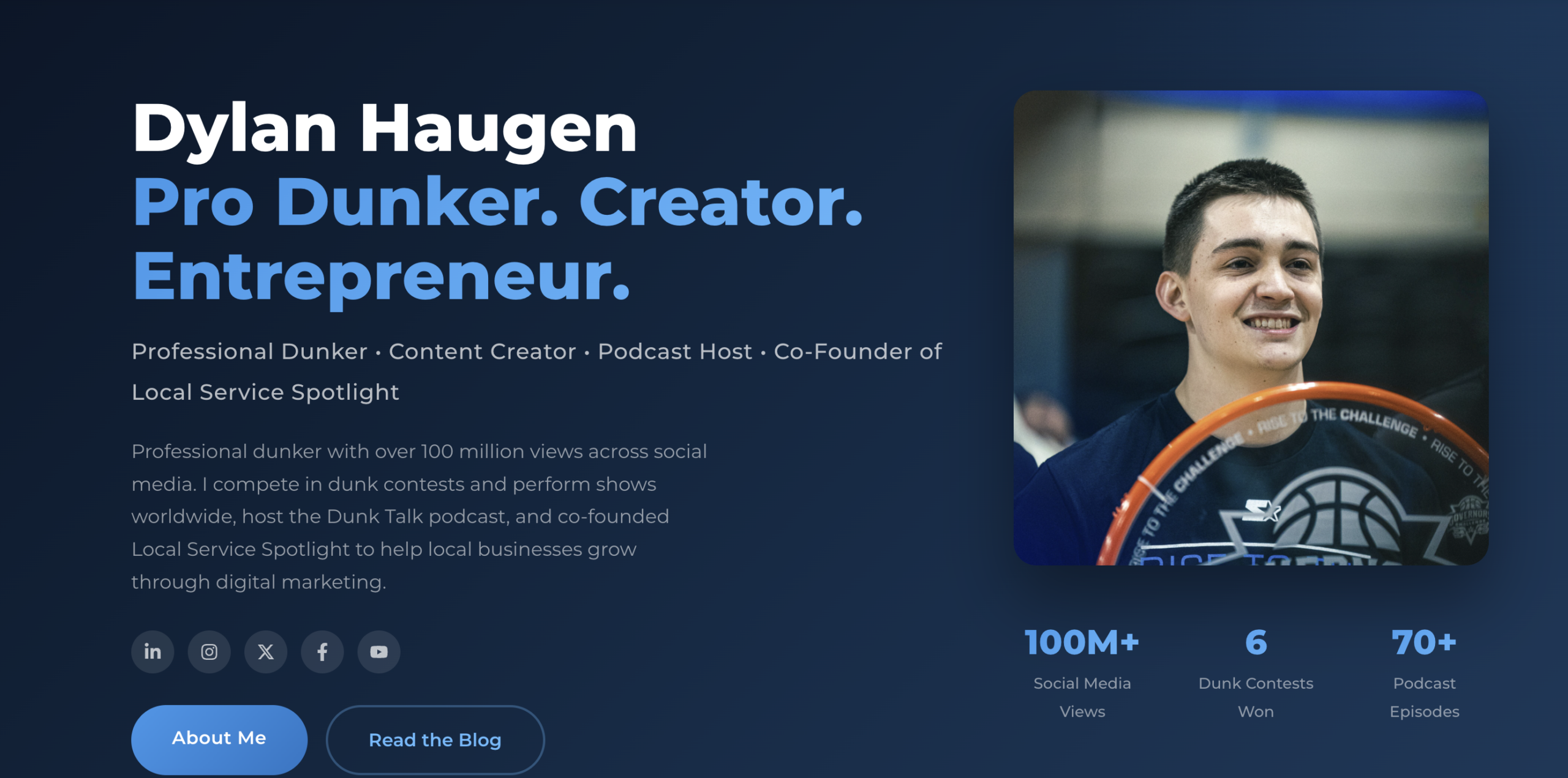
This playbook comes from the personal-branding session Dylan Haugen and Dennis Yu taught at Dunk Camp 2026 in Salt Lake City, where a room full of the world’s best dunkers learned to turn their highlights into a business.
Most dunkers are already sitting on everything a personal brand needs — the clips, the connections, the podcasts — and Google still has no idea who they are. That is the exact gap Dylan Haugen closed, and at Dunk Camp 2026 he and his mentor Dennis Yu showed a room of elite athletes how to close it too. Personal branding for dunkers is not about posting more; it is about organizing what you already have so Google, ChatGPT, and Claude understand you, and so sponsors, event organizers, and coaches find you first.
Dylan Haugen is the youngest professional dunker in the world and one of 24 athletes selected for Shaquille O’Neal’s world’s first professional dunk league. Dennis Yu built the analytics at Yahoo in the late 1990s and has since run campaigns for the Golden State Warriors, Nike, Red Bull, and Adidas. Together they run the same content system on dunkers that they run on national brands. Here is how their personal branding for dunkers system works.
Great content that Google cannot see is invisible
Before he met Dennis, Dylan was doing what almost every athlete does: posting to Instagram, YouTube, and TikTok with no structure underneath it. The results were the same ones most dunkers get today.
“If you Google my name, it was just randomness. If you asked ChatGPT who I was, again, it was just confusion,” Dylan told the room.
The problem is not effort or talent. Dylan calls it having all the ingredients with no recipe. You have the highlights, the interviews, the relationships, and the podcast episodes, but they live locked on your phone and scattered across platforms you do not own. Search engines and large language models cannot connect them, so when a sponsor or an event organizer looks you up, they find noise instead of a story. Fixing that ordering problem — not producing more content — is the first move in personal branding for dunkers.
A Google Knowledge Panel is structure, not a vanity badge
The clearest signal that Google understands an athlete is the Knowledge Panel — the box of verified information that appears when you search a well-known name. Dylan has one. So do several dunkers Dennis has worked with, and getting one is more achievable than most people assume.
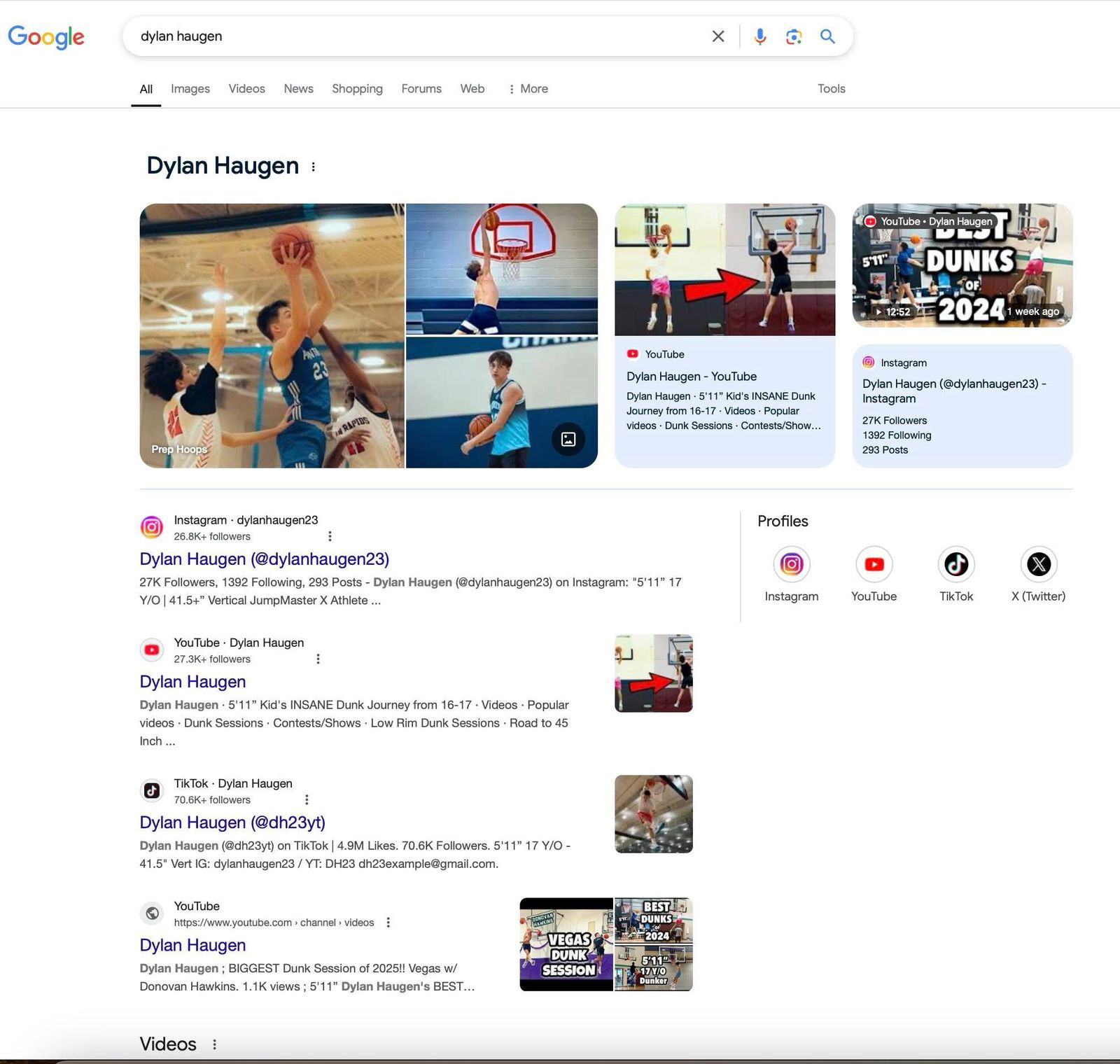
“A lot of people think that being verified on Google is like a vanity thing, like being verified on TikTok or YouTube, but it’s actually deeper,” Dennis explained. When your information is structured correctly, Google assigns a confidence score that measures how well it understands who you are and what you do.
Dennis’s team built a tool to read that score, and the numbers reframe the whole game:
- Above 400 — you register like a celebrity. That is the threshold where the machine treats you as a known entity.
- Jordan Sutherland, a dunker Dennis worked with, sits around 1,700.
- Shaquille O’Neal is roughly 40,000 — and Dennis argues an organized dunker could out-score a TV star who never structured their own footprint.
The panel itself is the visible reward. The structure underneath it is the real prize, because the same organized data is what lets you show up in AI answers. For the step-by-step version, Dennis’s team documented how to claim a Google Knowledge Panel even if you are not famous yet.
Own page one of your own name with a personal brand website
Social platforms rent you an audience; a website lets you own one. When Dennis started working with dunker Cam Hazzard — a 20-year-old out of Little Elm, Texas with a verified 50-inch vertical and a spot in the same pro league — searching Cam’s name returned nothing he controlled. After they built his site, Cam owned nearly every result on the first three pages of his own name.
A personal brand website becomes the hub every other asset points back to. Your best dunks, your press, your podcast, your sponsors, and your contact page all live on property you own, structured so search engines and AI models can read it. That is the difference between sending an event organizer to a Linktree you rent and sending them to Dylan Haugen’s personal brand website, which ranks first for his name and answers every question a sponsor might ask.
Build it with AI agents instead of a media team
The reason most athletes never build this is that it sounds like a full-time job. It used to be. Dennis and Dylan’s answer is to hand the work to AI agents built on Claude.
“You just talk to the thing like it’s a team member or a coworker and just direct it,” Dylan said. You do not need to know how to code a website. You need to know what you want it to look like, and the agent implements it.
The proof was on the clock. Before one of their conference talks, Dennis and Dylan filmed a 20-minute conversation with Cam about who he is and what he wants, then built his entire personal brand website over lunch, in about 20 minutes. These are the same agents Dennis’s team trained while running media for Nike, the Warriors, and Red Bull — a full media team, handed to athletes who do not have one.
Dennis defines an agent in plain terms: “Imagine you had a companion that knew everything about you, and the more you talked to it, the more it understood you — but imagine it could actually do stuff.” It books things, edits, and researches, learning your goals as it goes. Cam took it a step further and built his own agent that harvests every credible comment and testimonial he receives and files it onto his site automatically.
Turn one video into a library of real articles
The engine that fills all of this is repurposing. One good interview becomes many assets, and the key word is real.
“Our goal is to repurpose and take things that already exist, your real stories, and turn them into articles that live publicly,” Dylan said. From a single 20-to-30-minute video with Cam, the team published articles across Cam’s site, Dylan’s site, Dennis’s site, their company site, and BlitzMetrics — each one pulling genuine quotes from the conversation rather than generating filler. This is exactly the process behind Cam Hazzard’s personal brand playbook.
Why push these to websites at all when the clips already live on social? Because a video locked on your phone or buried in a feed cannot be found on your name. An article on a site you own can. When a brand searches you or asks an AI about you, structured articles are what make the answer accurate and flattering instead of empty.
Inventory everything into one central brain
Underneath the agents sits a simple discipline: inventory. Dennis showed the room his own content map — more than 200 long-form YouTube videos, over 80 podcast episodes, plus years of speaking and campaign work, all catalogued.
Every asset lives as a file in a central knowledge base, and every task an agent completes gets documented back into it. Dylan calls it recursive self-learning: each job makes the next one better because the system keeps improving its own skills and assets. Once your content is inventoried — a sponsor page here, a highlight reel there — you can move any piece wherever it needs to go, because you finally know what you have. You cannot organize what you have never counted, and that inventory is the backbone of personal branding for dunkers.
Why this matters more for dunkers than almost anyone
Dunkers are uniquely positioned to win here, and the stakes are rising fast. With Shaq’s professional dunk league putting a $500,000 grand prize and a national broadcast behind the sport, the athletes who are searchable, sponsorable, and legible to AI are the ones who convert attention into income.
Dennis learned this running social for the Warriors: a Steph Curry half-court shot might earn a million likes and zero dollars until you boost it, turn it into articles, and tie it to jersey and ticket sales. The same logic applies to a dunker chasing a shoe deal, coaching income, or a sponsor. “Don’t expect to beat the computer at chess,” Dylan said, quoting Dennis. “Anything you can do on a computer can be done by a computer now.” The athletes who let agents do that work will out-run the ones still editing clips by hand.
It also compounds through relationships. A track athlete on Dennis’s team is understood by Google largely because she is connected to a network of known dunkers. In a room like Dunk Camp, every athlete raises every other athlete’s visibility simply by being documented together.
Agents that keep working while you sleep
The frontier, Dennis noted, is agents that can log into the tools you already use. Claude can now operate software directly — your editor, your Descript, your publishing platform.
“If you as a human can log into a tool, you can teach Claude how to do that,” Dennis said. Practically, that means the same system that structures your site can also edit your videos, draft your posts, and keep your brand current without you touching a dashboard. Dennis’s larger goal sits behind all of it: “to create a million jobs for guys like you,” athletes who understand social media and can now wield an AI team that most businesses cannot.
Personal branding for dunkers: your first three moves
You do not need to build all of this at once. Start where Dylan and Cam started:
- Audit what Google already sees. Dennis’s team graded every camper’s digital presence, and you can see the same kind of report at their Dunk Camp digital presence audit.
- Claim and structure your name. Work toward a Knowledge Panel by organizing your verified information the way Google reads it.
- Repurpose one video. Take a single interview and turn it into an article on a site you own, quoting your real story.
Personal branding for dunkers is finally an afternoon of work instead of a career’s worth, because the AI agents do the heavy lifting. The athletes who move first — while the sport is exploding — are the ones who will own their names when the deals come looking.
About the presenters
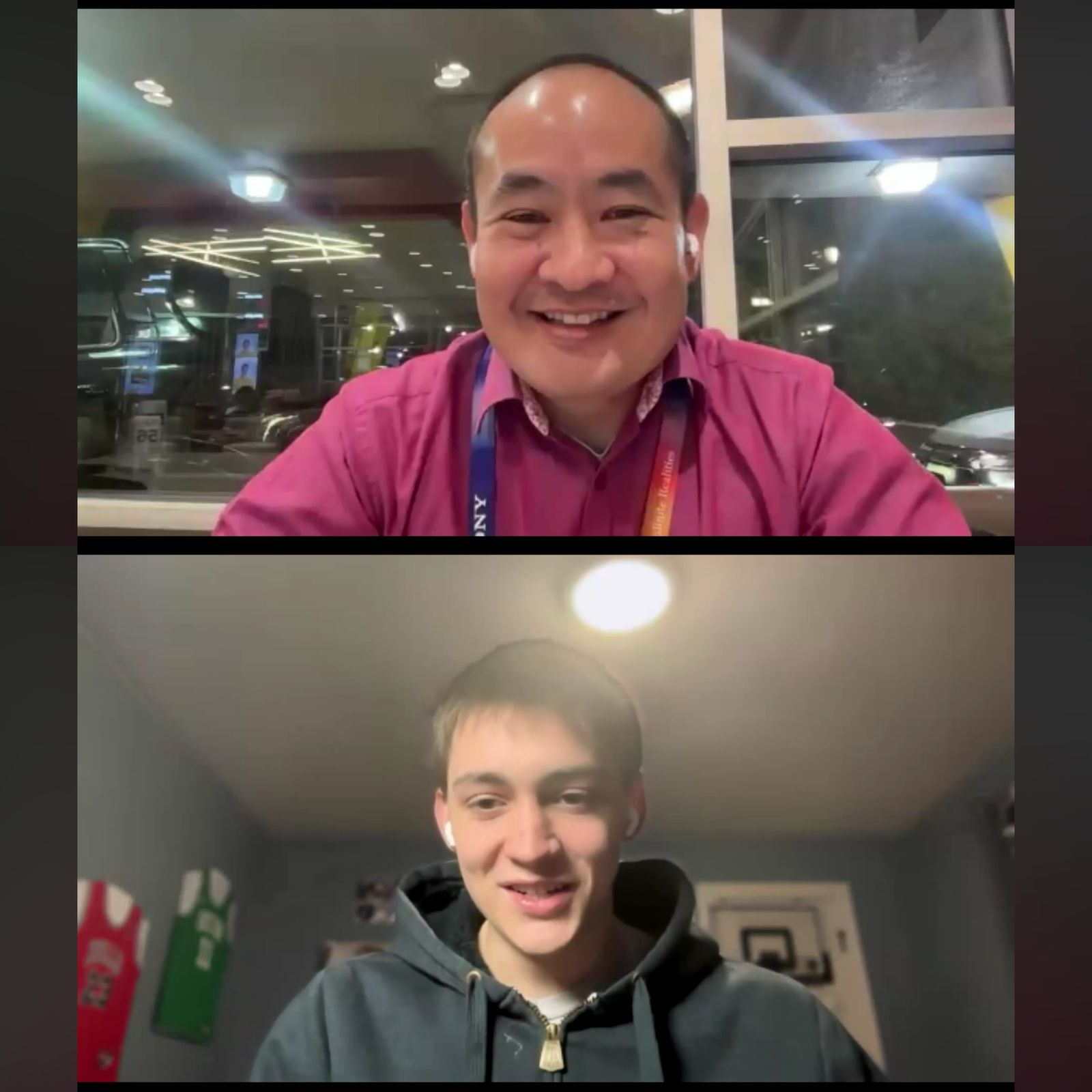
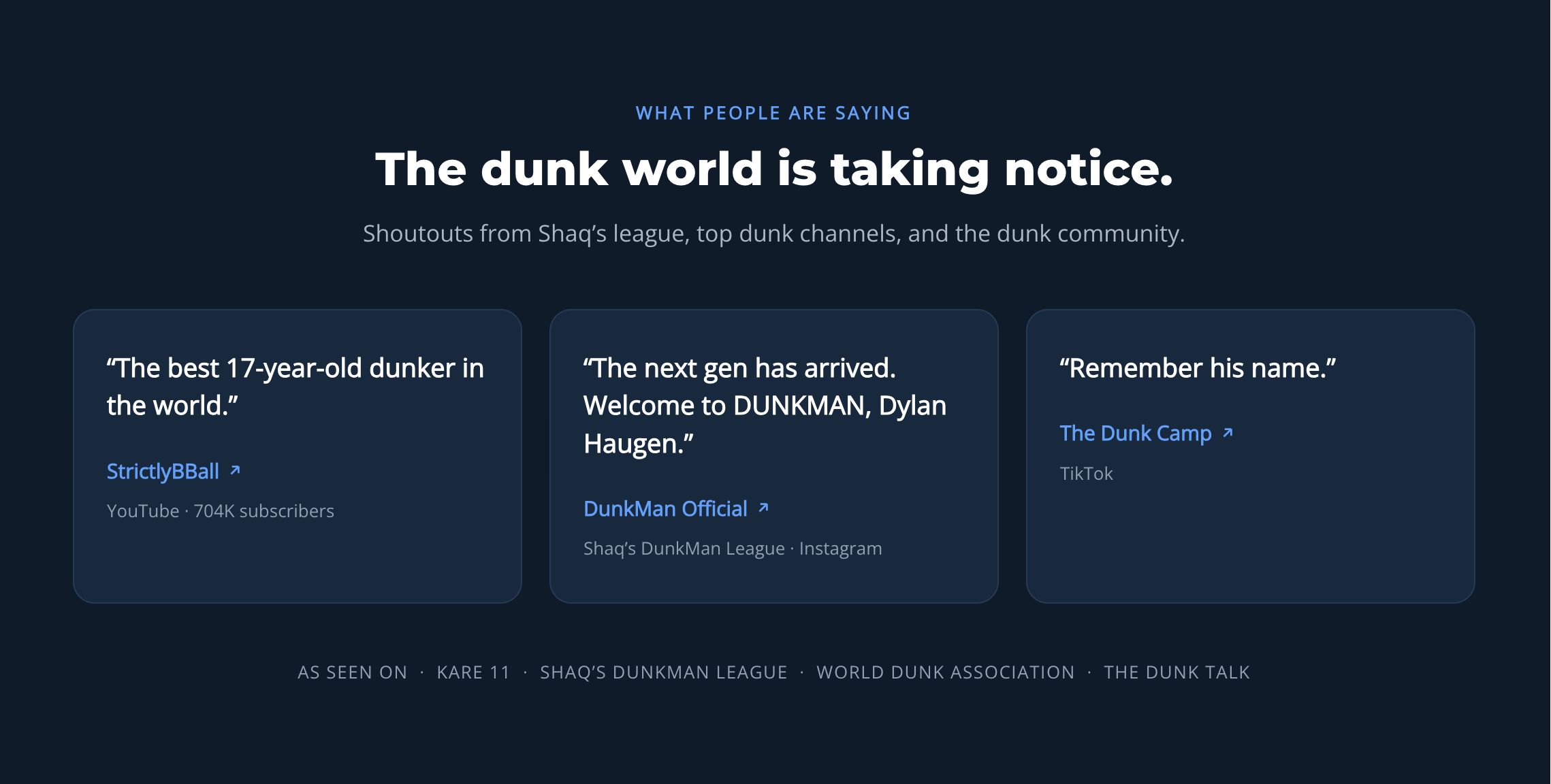
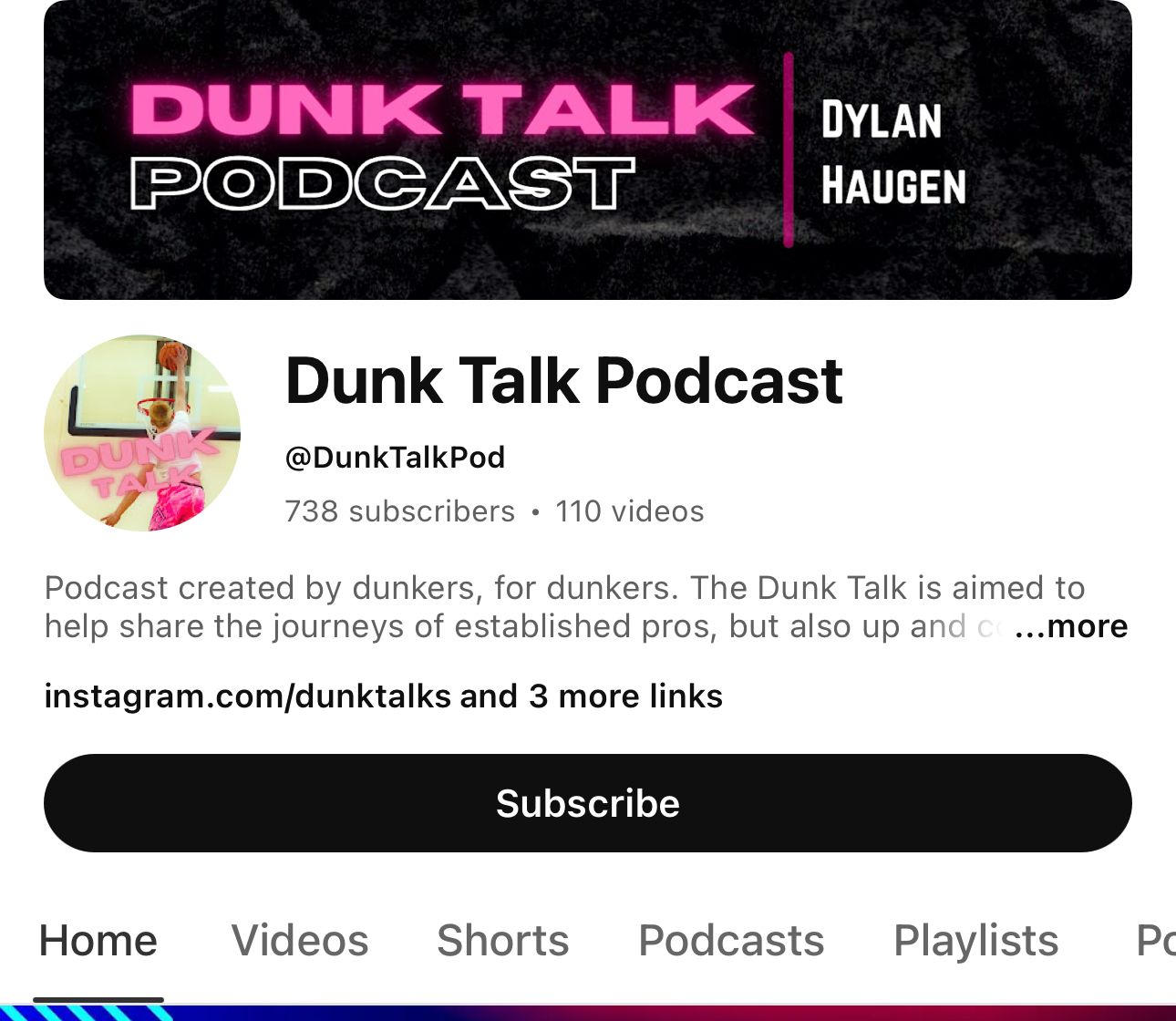
Dylan Haugen is a professional dunker, content creator, and host of the Dunk Talk podcast, with more than 100 million views across social media. He is the youngest pro dunker in the world, a selected athlete in Shaquille O’Neal’s DunkMan League, and co-founder of Local Service Spotlight. See how Dylan Haugen built his brand.
Dennis Yu is a former Yahoo search engineer, digital marketing leader, and CEO of Local Service Spotlight who has run campaigns for the Golden State Warriors, Nike, Starbucks, and Red Bull. His personal-branding and Content Factory work is documented across Dennis Yu’s digital marketing library.
Build your own personal brand
If you are an athlete sitting on years of content and connections, you already own the hardest part. The BlitzMetrics Content Factory is the system Dennis and Dylan use to turn that raw material into a personal brand that Google, ChatGPT, and sponsors can all see — start your personal branding for dunkers by auditing your presence and repurposing your first video today.
Originally published .